Italy

Italy

Italy, a country in Southern Europe, is celebrated for its rich cultural heritage, historic cities like Rome and Venice, and its world-famous cuisine.

Plane

Rome

Rome, founded in 753 BC, is the capital of Italy and a historic city known for its rich cultural heritage, iconic landmarks such as the Colosseum and Vatican City, and its influential role in shaping Western civilization.

Photo by Chris Czermak on Unsplash

Florence

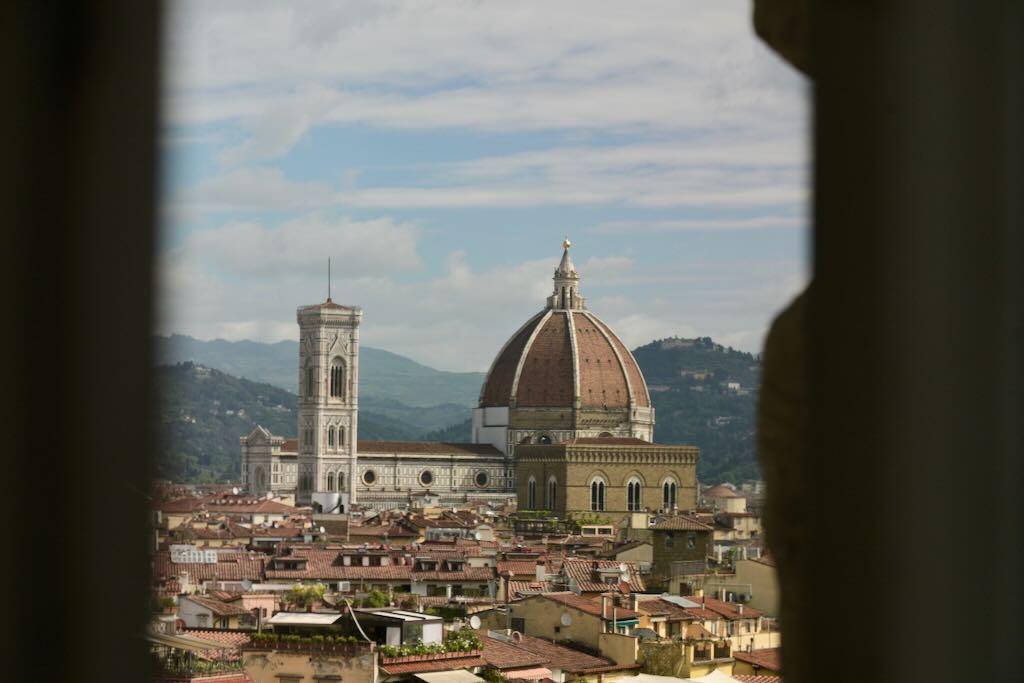
Florence, the capital of Italy’s Tuscany region, is renowned for its rich history, Renaissance art, and architectural landmarks like the Florence Cathedral and Ponte Vecchio.

Photo by Tomas Tuma
Pisa

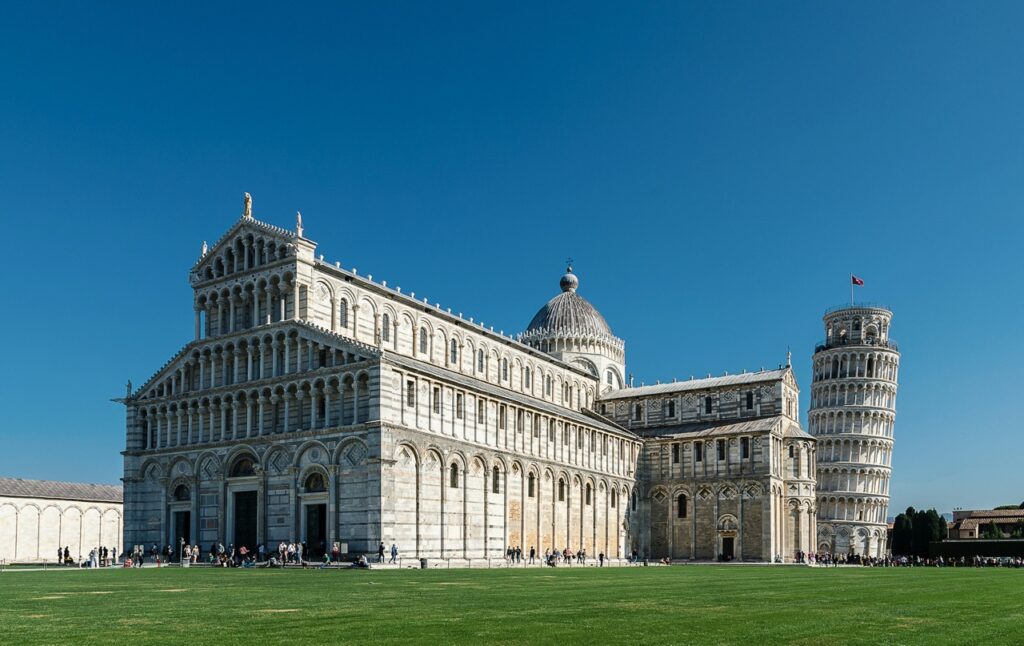
The Pisa Cathedral, also known as the Cathedral of Santa Maria Assunta, is a stunning example of Romanesque architecture located in the Piazza dei Miracoli (Square of Miracles) in Pisa, Italy. It is part of a complex that includes the Leaning Tower, the Baptistery, and the Camposanto Monumentale.

Photo by alexey turenkov on Unsplash
St Mark’s Basilica

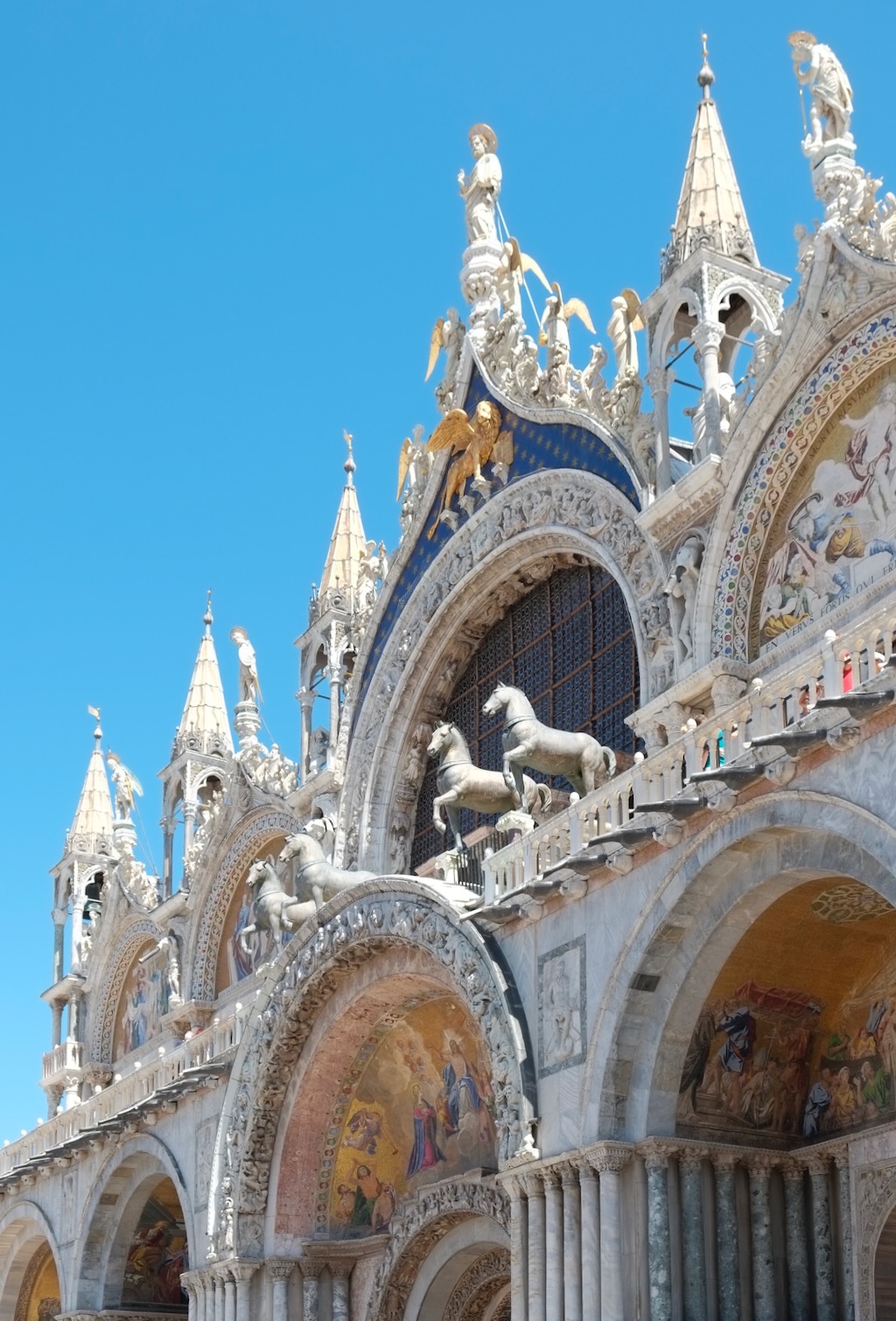
St Mark’s Basilica (Basilica di San Marco) is the most famous of the churches of Venice, Italy, and one of the best-known examples of Italo-Byzantine architecture. 

Photo by Tomas Tuma
Miramare Castle

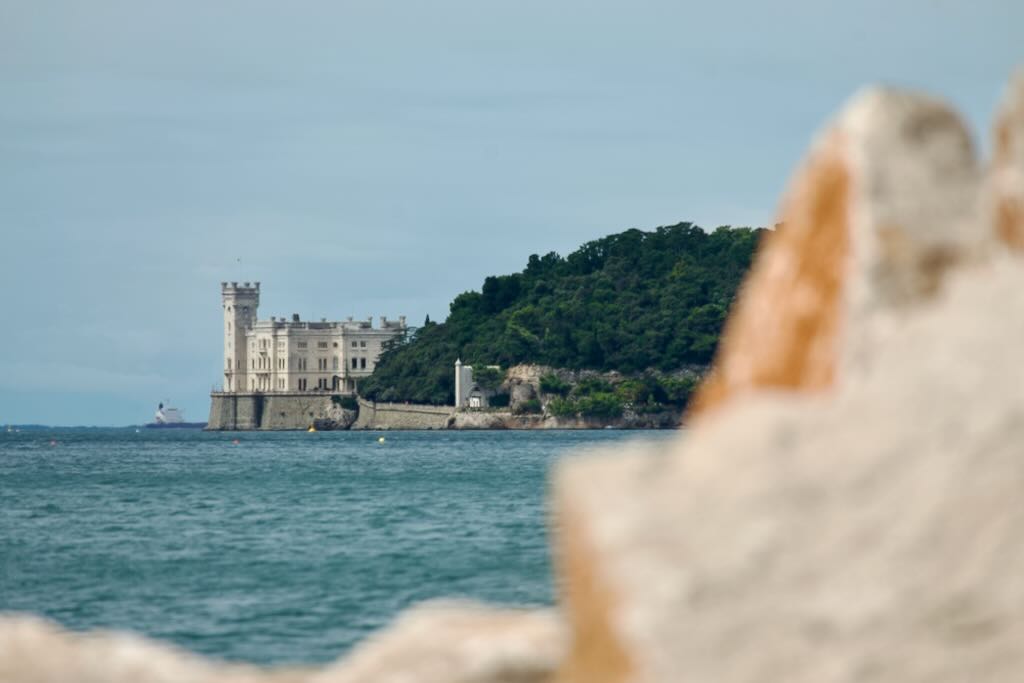
Miramare Castle boasts a spectacular and dramatic location, perched on the very edge of a sheer rocky promontory that juts out directly into the deep blue waters of the Gulf of Trieste in northeastern Italy. Framed by a sprawling, lush botanical park behind it and the endless expanse of the Adriatic Sea in front, the castle appears to almost float above the waves.

Photo by Tomas Tuma
Villa La Rotonda

Villa La Rotonda, designed by the immensely influential architect Andrea Palladio in the 16th century, is a masterpiece of Italian Renaissance architecture famous for its strict, mathematical symmetry and perfect proportions. Featuring four identical, temple-like facades with classic ionic columns radiating from a central domed hall, the hilltop villa was designed not as a working farm, but as a luxurious, panoramic retreat that fundamentally inspired centuries of neoclassical building design worldwide.

Photo by Edoardo Bortoli on Unsplash

San Gimignano

The medieval hill town of San Gimignano in Tuscany is world-famous for its striking skyline of towering, unadorned stone ‘skyscraper’ houses, which were built by rival noble families as imposing symbols of wealth and defensive strength during the Romanesque era. At the heart of the town stands the Collegiata di Santa Maria Assunta, a beautifully austere 12th-century Romanesque basilica featuring a classic, heavy stone facade and an interior entirely covered in vibrant, historically significant frescoes.

Photo by Piotr Dutko on Unsplash

Milan Cathedral 

Taking nearly six centuries to complete, the Duomo di Milano is a breathtaking and uniquely exuberant Italian interpretation of the Gothic style, constructed entirely from luminous white and pink marble. Its impossibly elaborate, almost lace-like exterior is covered by an astonishing forest of 135 delicate, soaring stone pinnacles and over 3,400 individual statues.

Photo by Ouael Ben Salah on Unsplash

Michelangelo Buonarroti

Michelangelo Buonarroti was a brilliant Italian Renaissance polymath whose unparalleled mastery in sculpting, painting, and architecture birthed some of Western history’s most iconic masterpieces, including the towering marble statue of David and the breathtaking frescoes adorning the ceiling of the Sistine Chapel.

Photo source: Wikipedia

Siena Cathedral  

This magnificent 13th-century structure perfectly showcases how Italian architects adapted the Gothic style, preferring broad, colorful surfaces over the skeletal, glass-filled walls favored in northern Europe. It is instantly recognizable by its striking exterior and interior walls, which are constructed using alternating horizontal stripes of dark green and brilliant white marble.

Photo by Alessio Patron on Unsplash

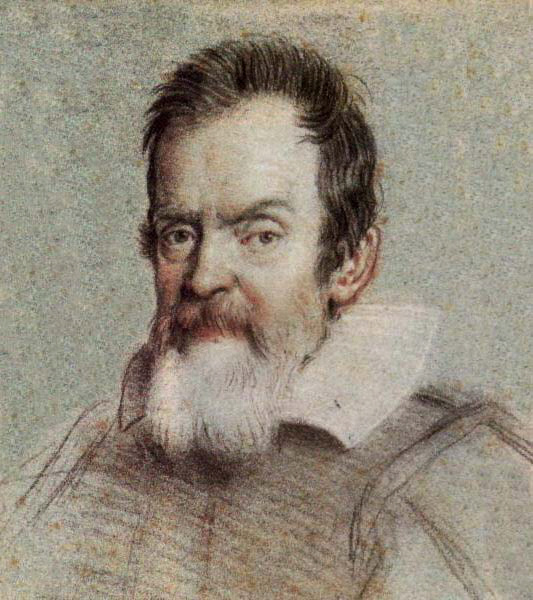
Galileo Galilei

The “father of modern science” whose telescopic observations supported the heliocentric model of the solar system.

Portrait by Ottavio Leoni. Detail.