Taj Mahal
The Taj Mahal, an absolute masterpiece of Mughal architecture located in Agra, India, was commissioned in 1632 by Emperor Shah Jahan as a magnificent, white-marble mausoleum to house the tomb of his beloved favorite wife, Mumtaz Mahal. Today, it is universally admired as a UNESCO World Heritage site and a symbol of eternal love, famous for its perfect, breathtaking symmetry and the incredibly intricate, semi-precious stone inlays that adorn its soaring facade.
Photo by Farkhod Saydullaev on Unsplash

Rain Vortex
The HSBC Rain Vortex, located at the heart of Singapore’s stunning Jewel Changi Airport, holds the record as the world’s tallest indoor waterfall, cascading a breathtaking 40 meters (130 feet) down through a massive glass-and-steel dome. Surrounded by a lush, multi-terraced indoor forest, the waterfall utilizes recirculated rainwater to create a mesmerizing spectacle during the day, and transforms into a brilliant, glowing canvas for light and sound shows at night.
Photo by Faris Ariffin on Unsplash

Old Town Hall, Brno
The Old Town Hall is the oldest secular building in Brno, instantly recognizable by its beautiful, late-Gothic entrance portal featuring a famous, deliberately crooked central pinnacle carved by the legendary master builder Anton Pilgram. When you pass through the archway into the courtyard, you are greeted by the city’s two most famous legends hanging directly above your head: the fearsome ‘Brno Dragon’ (a massive stuffed crocodile) and the historic, wooden Brno Wheel.
Photo by Tomas Tuma

Miramare Castle
Perched dramatically on a rocky cliff overlooking the Adriatic Sea near Trieste, Italy, Miramare Castle was built in the mid-19th century as an extravagant, romantic seaside residence for Austrian Archduke Maximilian of Habsburg and his wife, Charlotte of Belgium. Surrounded by a magnificent, sprawling botanical park filled with rare exotic plants.
Photo by Tomas Tuma

National Museum, Prague
The National Museum, a stunning neo-Renaissance masterpiece that dominates the top of Wenceslas Square, has stood since 1891 as the most important symbol of Czech history and science. Its magnificent, newly restored grand hall features a breathtaking glass dome, sweeping marble staircases, and millions of natural history, archaeological, and historical artifacts.
Photo by Tomas Tuma

Praha
Prague (Praha), the capital and largest city of the Czech Republic, is a historic metropolis renowned for its well-preserved medieval architecture, including the iconic Charles Bridge and Prague Castle.
Photo by Tomas Tuma

Gamla Stan
Stockholm’s beautifully preserved historic center dates back to the 13th century and is characterized by narrow, winding cobblestone streets and vibrant, ochre-colored buildings. It is home to iconic landmarks such as the majestic Royal Palace and the Nobel Prize Museum, nestled around the picturesque Stortorget public square. Walking through this medieval old town feels like stepping back in time to the very origins of the Swedish capital.

Comuna 13
Once considered one of the most dangerous neighborhoods in the world, Comuna 13 has completely transformed into a vibrant symbol of resilience, urban innovation, and community pride. Clinging to the steep hillsides of Medellín, the area is now famous for its extensive network of outdoor escalators and striking, politically charged street art. Today, it is a bustling hub of hip-hop culture, local commerce, and inspiring social regeneration that attracts visitors from around the globe.
Photo by Carlos Martinez on Unsplash

Mount Kilimanjaro
Mount Kilimanjaro is the highest mountain in Africa and the tallest free-standing mountain in the world (meaning it is not part of a mountain range). Located in northeastern Tanzania, it rises to an elevation of 5,895 meters (19,341 feet) above sea level.
Photo by Sergey Pesterev on Unsplash

Shah Mosque
The Shah Mosque (also known as the Imam Mosque or the Abbasi Great Mosque) is the crowning jewel of Safavid architecture. Located on the southern side of Naqsh-e Jahan Square in Isfahan, it was commissioned by Shah Abbas I in 1611 and is recognized as a UNESCO World Heritage site.
Photo by Shahab Zolfaghari on Unsplash

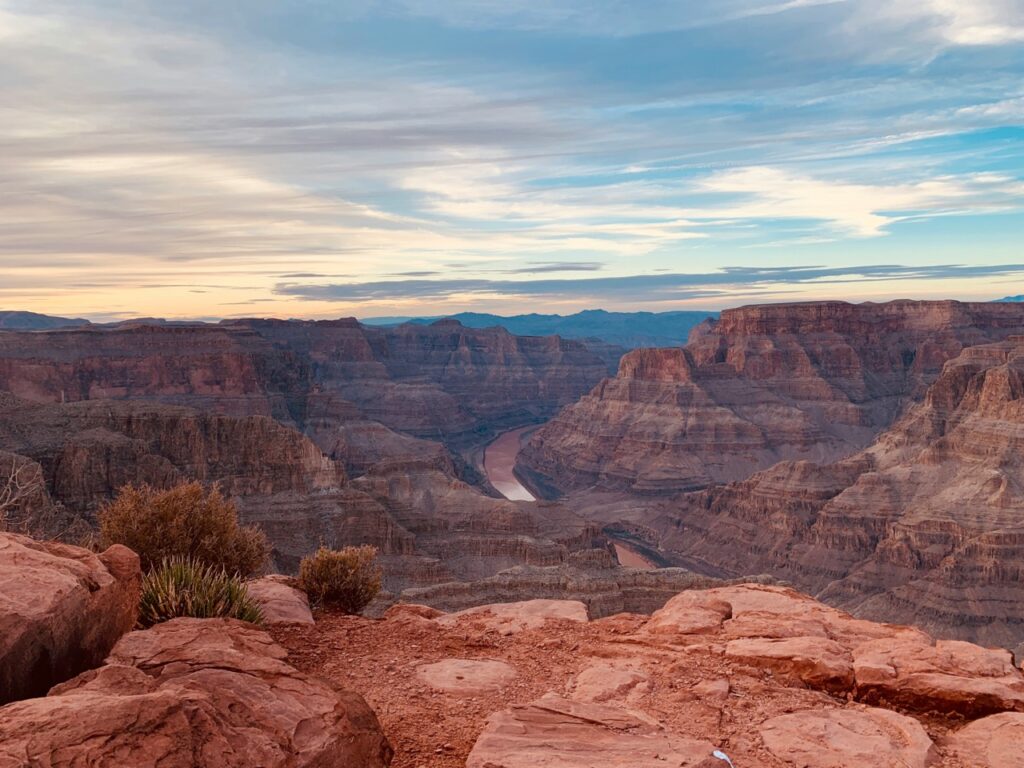
Grand Canyon National Park
A massive, colorful gorge carved by the Colorado River, widely considered one of the seven natural wonders of the world.

Guilin and the Li River
A region of world-renowned natural beauty featuring dramatic limestone karst peaks, winding rivers, and traditional rice terraces.
Photo by Daniel Höhe on Unsplash

Guggenheim Museum Bilbao
The Guggenheim Museum Bilbao is a masterpiece of contemporary architecture designed by Frank Gehry. Located along the Nervión River, the museum is world-renowned for its modern art collection and for triggering the “Bilbao Effect,” which transformed the city from an industrial hub into a global cultural destination.
Photo by Jorge Fernández Salas on Unsplash

Fernando de Noronha
An exclusive volcanic archipelago and marine park known for having some of the world’s most beautiful beaches and crystal-clear diving waters.
Photo by Ze Paulo Galveias on Unsplash

Neuschwanstein Castle
A 19th-century Romanesque Revival palace in the Bavarian Alps, famous as the fairy-tale inspiration for Disney’s Sleeping Beauty Castle.
Photo by Ilia Bronskiy on Unsplash

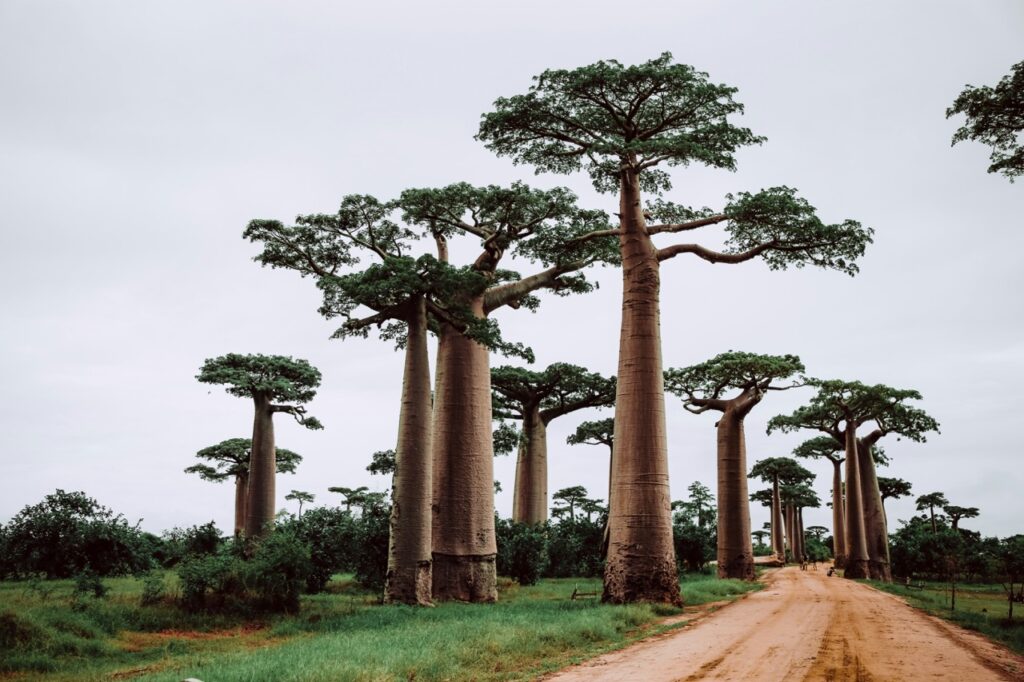
Baobab, Madagascar
Adansonia grandidieri is the largest and most iconic species of baobab tree endemic to Madagascar, famous for its massive cylindrical trunk and presence along the “Avenue of the Baobabs.”
Photo by Graphic Node on Unsplash