
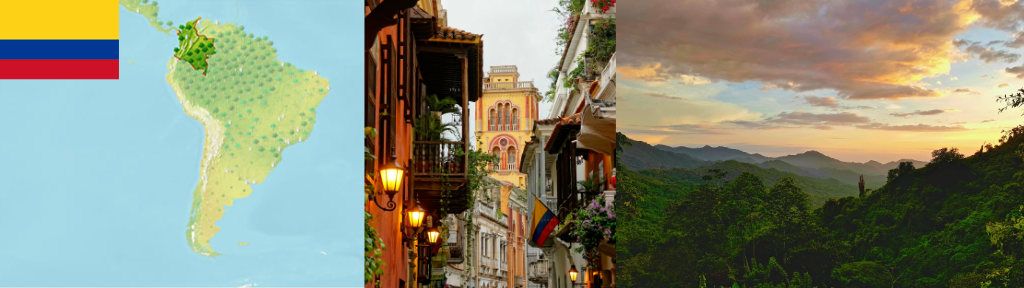
Colombia, a vibrant South American nation, is celebrated for its diverse ecosystems, rich coffee culture, and lively festivals like Carnaval de Barranquilla.

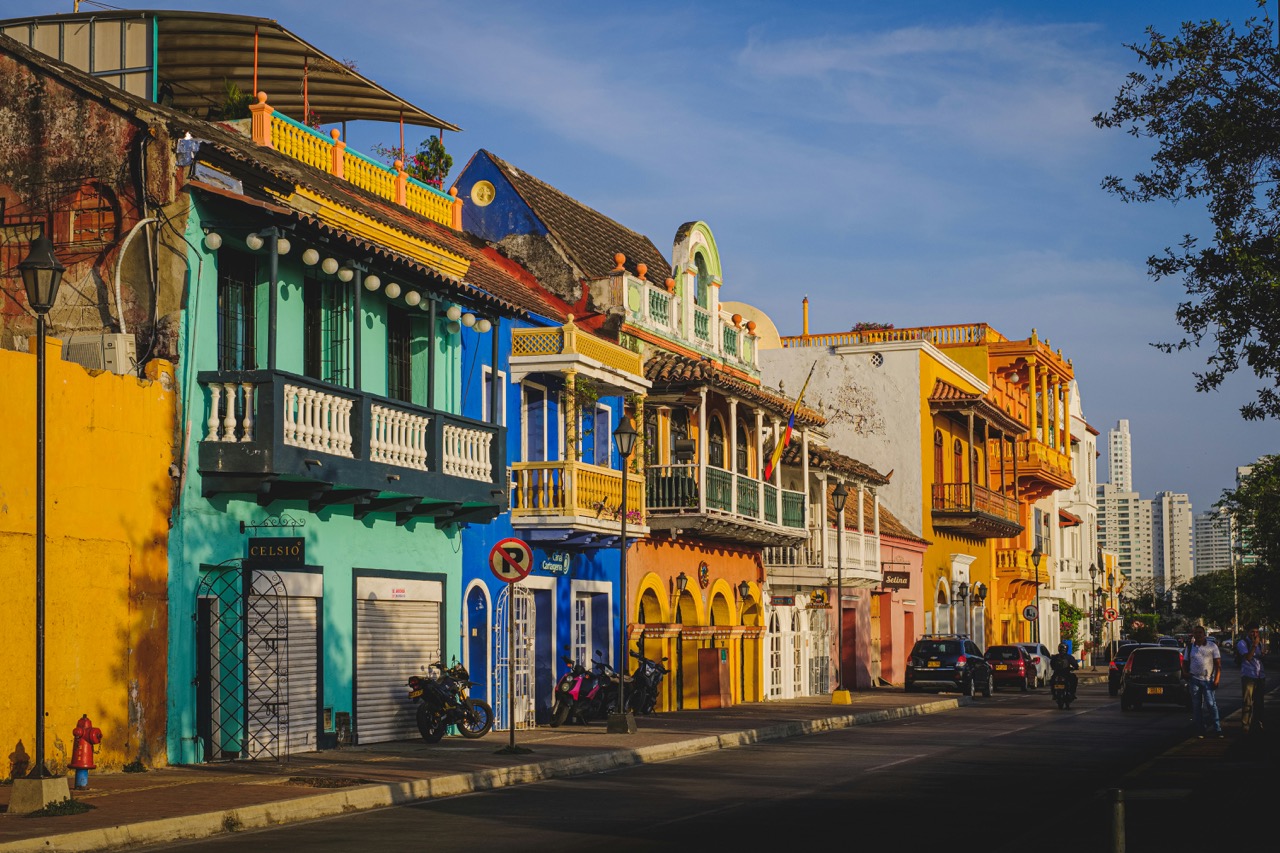
Walled City of Cartagena
A UNESCO World Heritage site, this impeccably preserved colonial city sits proudly on Colombia’s Caribbean coast. It is famous for its vibrant, bougainvillea-draped balconies, cobblestone streets, and the formidable Castillo de San Felipe de Barajas fortress. The historic center beautifully captures the romance and complex maritime history of the Spanish colonial era.
Photo by Leandro Loureiro on Unsplash
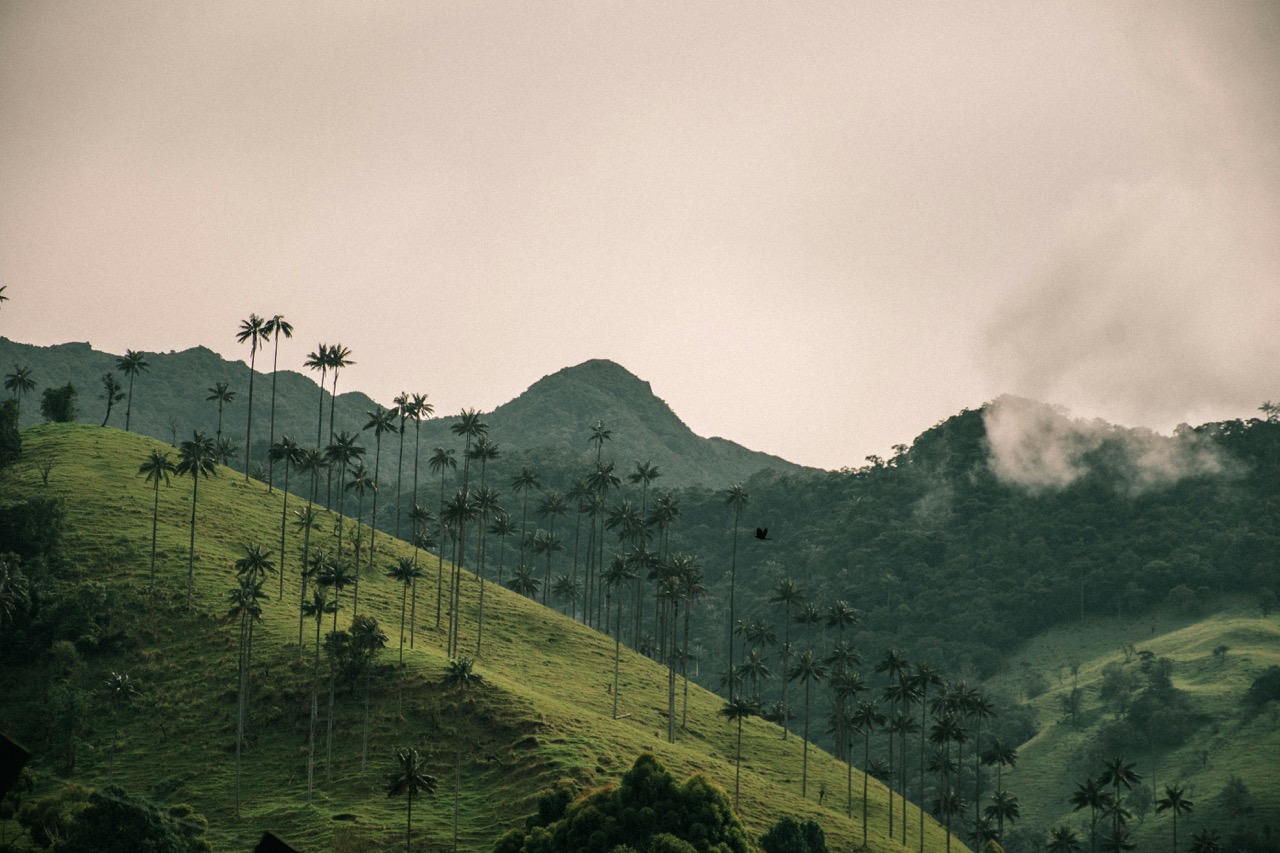
Valle de Cocora
Nestled in the heart of Colombia’s Coffee Axis, this breathtaking cloud forest valley is famous for being the primary home of the Quindío wax palm, the world’s tallest palm tree and the country’s national tree. These slender, towering palms can reach up to 60 meters high, creating a surreal and deeply striking landscape. Visitors frequently hike or horseback ride through the misty green hills to experience this unique ecological wonder.
Photo by David Restrepo on Unsplash
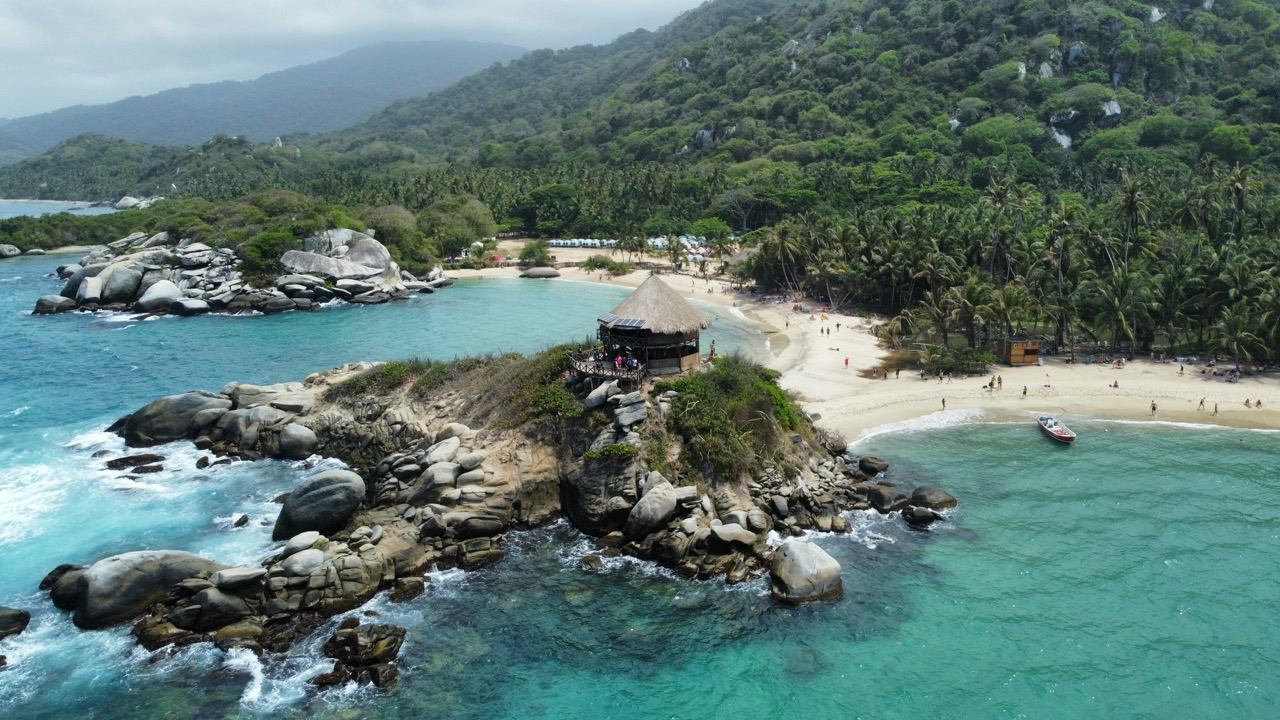
Tayrona National Natural Park
Where the lush jungle of the Sierra Nevada de Santa Marta meets the crystal-clear waters of the Caribbean Sea, Tayrona is one of Colombia’s most stunning protected areas. The park is renowned for its pristine, boulder-strewn beaches and incredible biodiversity, sheltering creatures like howler monkeys, jaguars, and hundreds of bird species. It is also home to ancient indigenous ruins, offering a perfect blend of ecological beauty and cultural history.
Photo by Shubham Singh on Unsplash
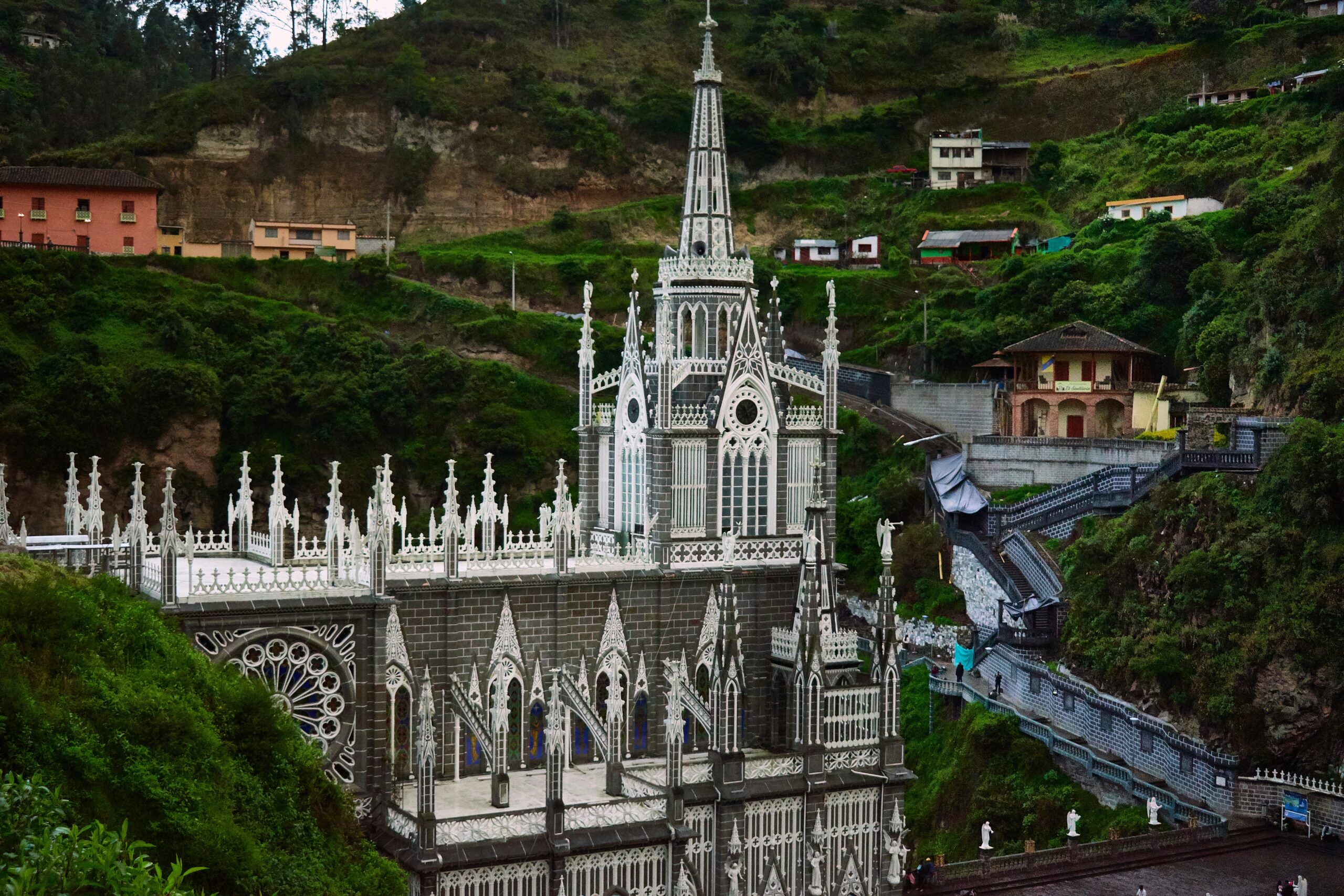
Las Lajas Sanctuary
This breathtakingly ornate Gothic Revival basilica is dramatically built on a bridge spanning the deep gorge of the Guáitara River in southern Colombia. Constructed between 1916 and 1949, the church was built to commemorate an 18th-century Marian apparition on the canyon’s sheer rock wall. Often cited as one of the most beautiful churches in the world, it is a major pilgrimage site that visually defies gravity.
Photo by Sebastian Tovar on Unsplash
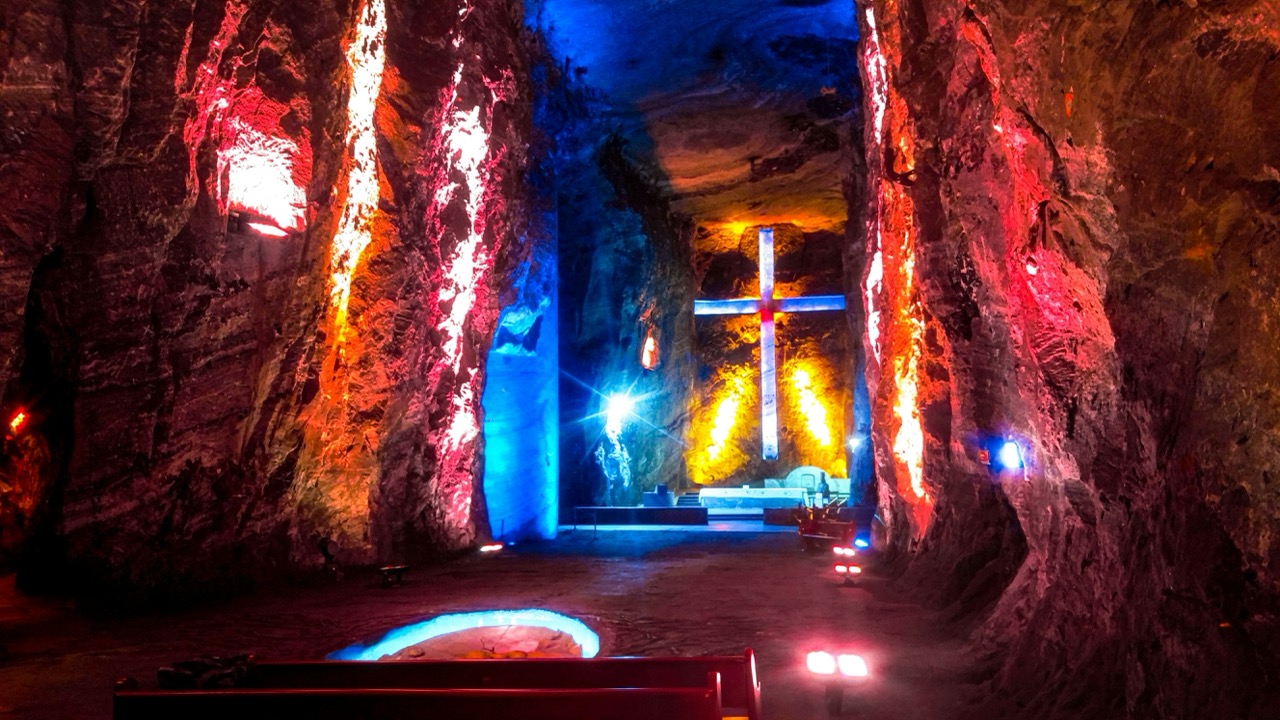
Salt Cathedral of Zipaquirá
Carved entirely out of rock salt 200 meters underground, this remarkable Roman Catholic church is located in the tunnels of a former salt mine near Bogotá. The sprawling subterranean complex features dramatic lighting, monumental crosses, and intricate sculptures, all meticulously crafted by miners and artists. It stands as a unique architectural masterpiece and one of Colombia’s most celebrated religious sanctuaries.
Photo by WILLIAN REIS on Unsplash
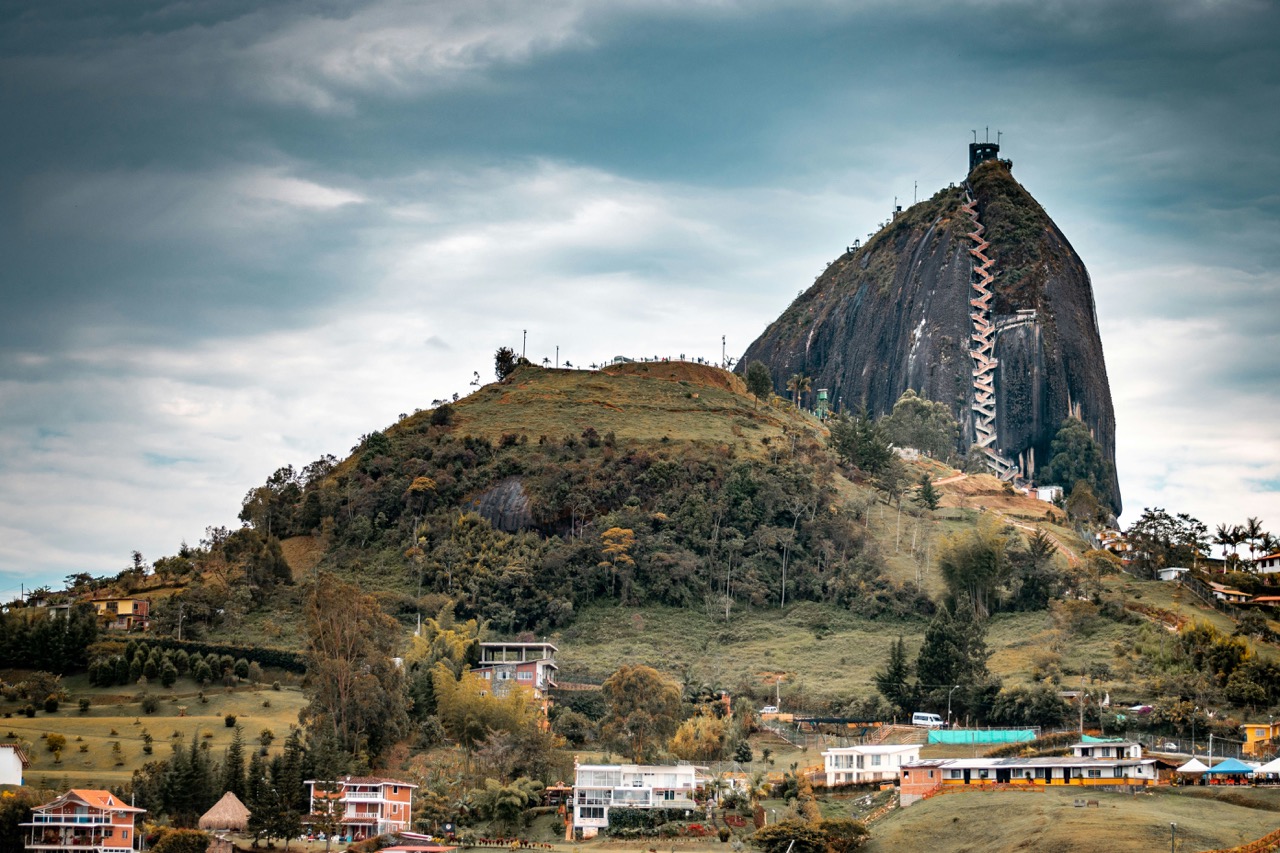
El Peñón de Guatapé
Looming majestically over the picturesque lakeside town of Guatapé, this massive, ten-million-ton granite monolith is a striking geological marvel. Visitors who climb the 700-plus steps woven into a monumental crack in the rock are rewarded with spectacular 360-degree views of the surrounding flooded valley and its labyrinth of turquoise lakes. The adjacent town is equally famous for its brightly colored houses adorned with traditional, hand-painted bas-reliefs called zócalos.
Photo by Felipe Salgado on Unsplash
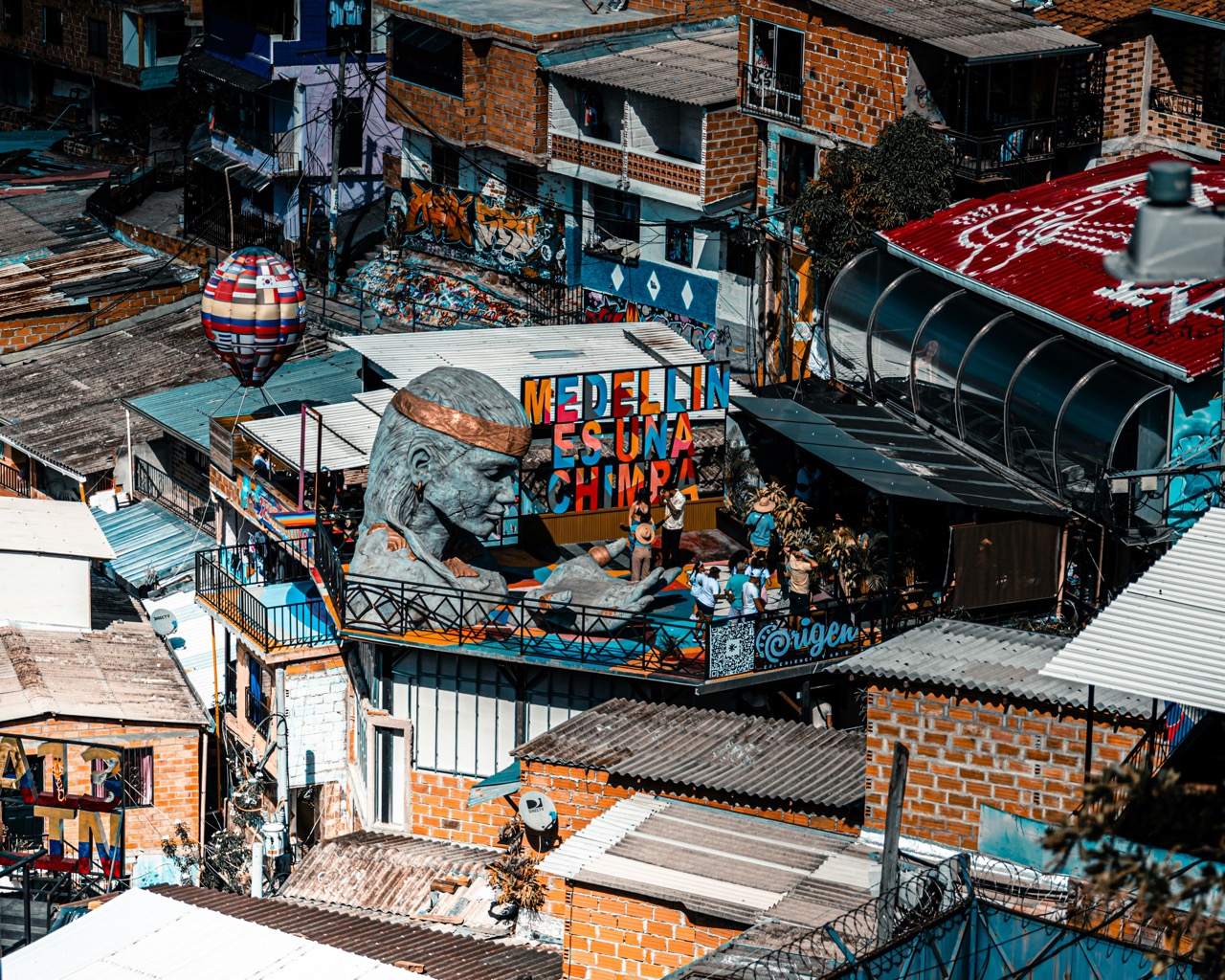
Comuna 13
Once considered one of the most dangerous neighborhoods in the world, Comuna 13 has completely transformed into a vibrant symbol of resilience, urban innovation, and community pride. Clinging to the steep hillsides of Medellín, the area is now famous for its extensive network of outdoor escalators and striking, politically charged street art. Today, it is a bustling hub of hip-hop culture, local commerce, and inspiring social regeneration that attracts visitors from around the globe.
Photo by Carlos Martinez on Unsplash