
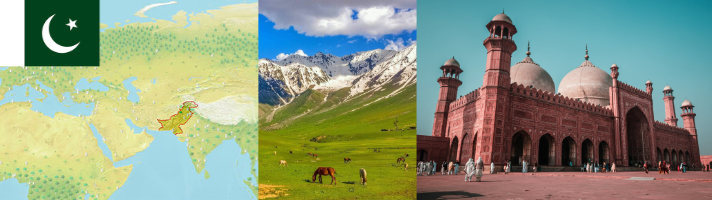
Pakistan, located in South Asia, is known for its diverse landscapes that include mountains such as the Himalayas and Karakoram ranges, the vast Thar Desert, and fertile plains along the Indus River, as well as its rich cultural heritage and historic cities like Lahore and Islamabad.
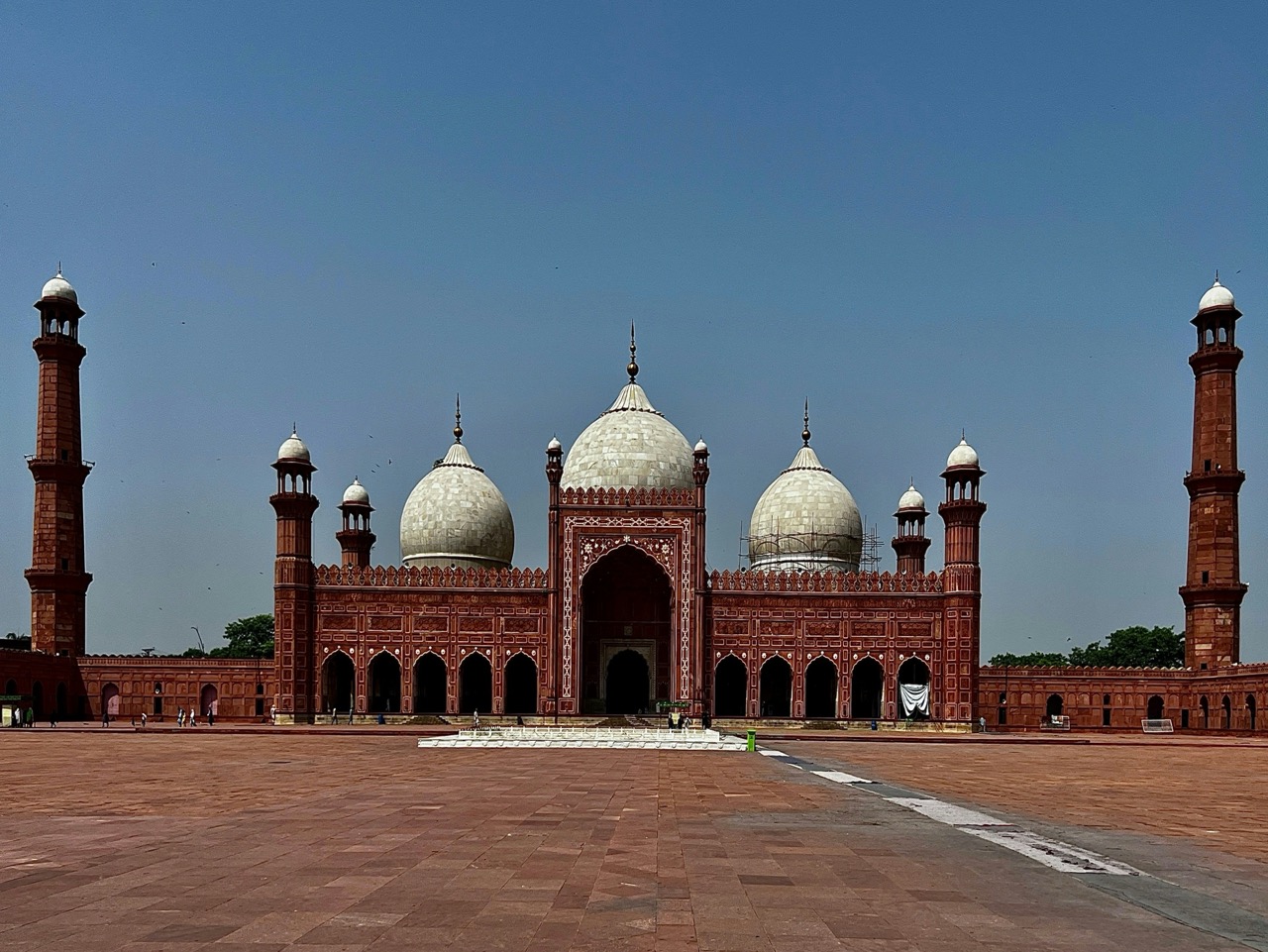
Badshahi Mosque
Commissioned by the Mughal Emperor Aurangzeb in 1671, this stunning red sandstone mosque is a masterpiece of classical Mughal architecture. It features intricate marble inlay work and a vast courtyard capable of accommodating tens of thousands of worshippers. For over three centuries, it held the title of the largest mosque in the world.
Photo by Saqib Rubab on Unsplash
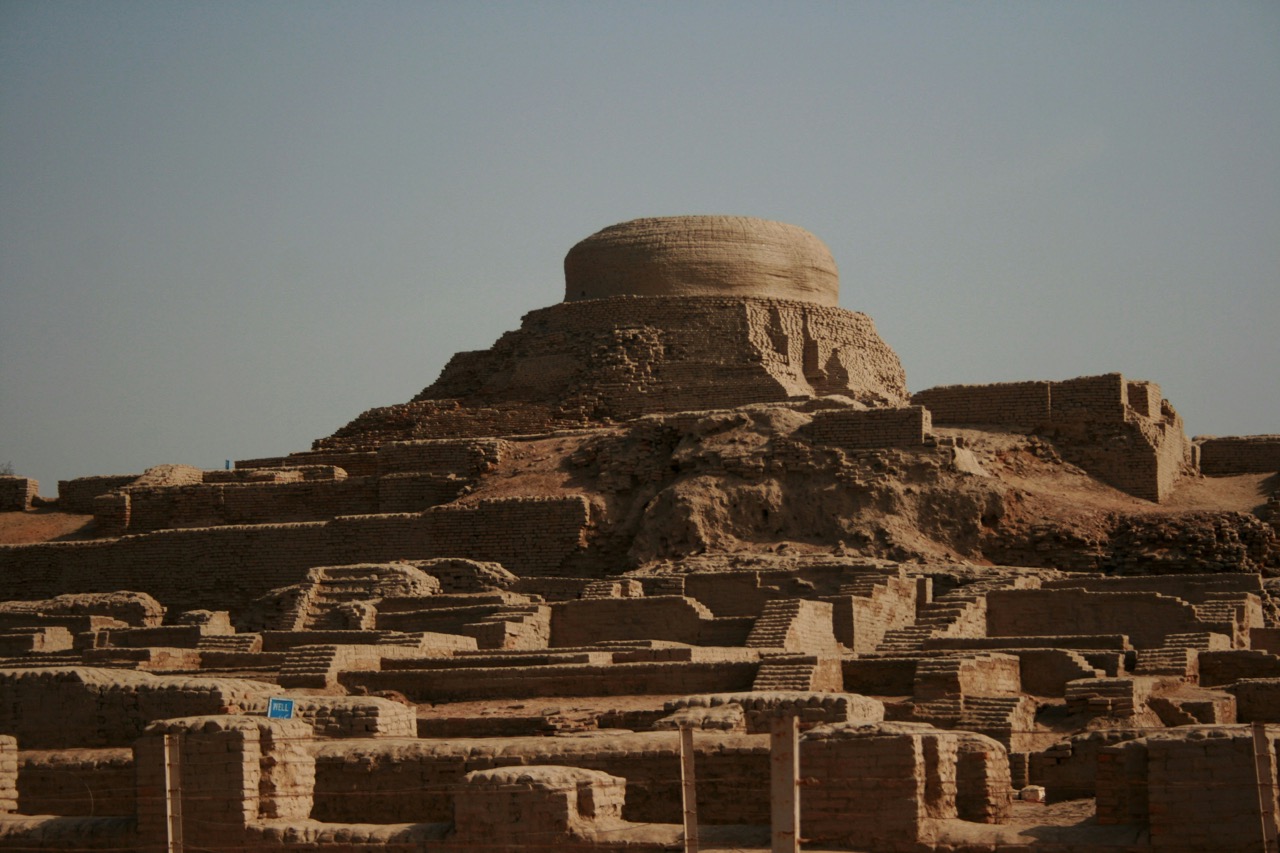
Mohenjo-Daro
Dating back to 2500 BCE, this UNESCO World Heritage site is one of the largest and most advanced ancient settlements of the Indus Valley Civilization. Its well-preserved ruins reveal a highly organized urban layout featuring sophisticated drainage systems, public baths, and standardized brickwork. The site offers incredible archaeological insights into the lives of one of the world’s earliest major urban societies.
Photo by Noman Bukhari on Unsplash
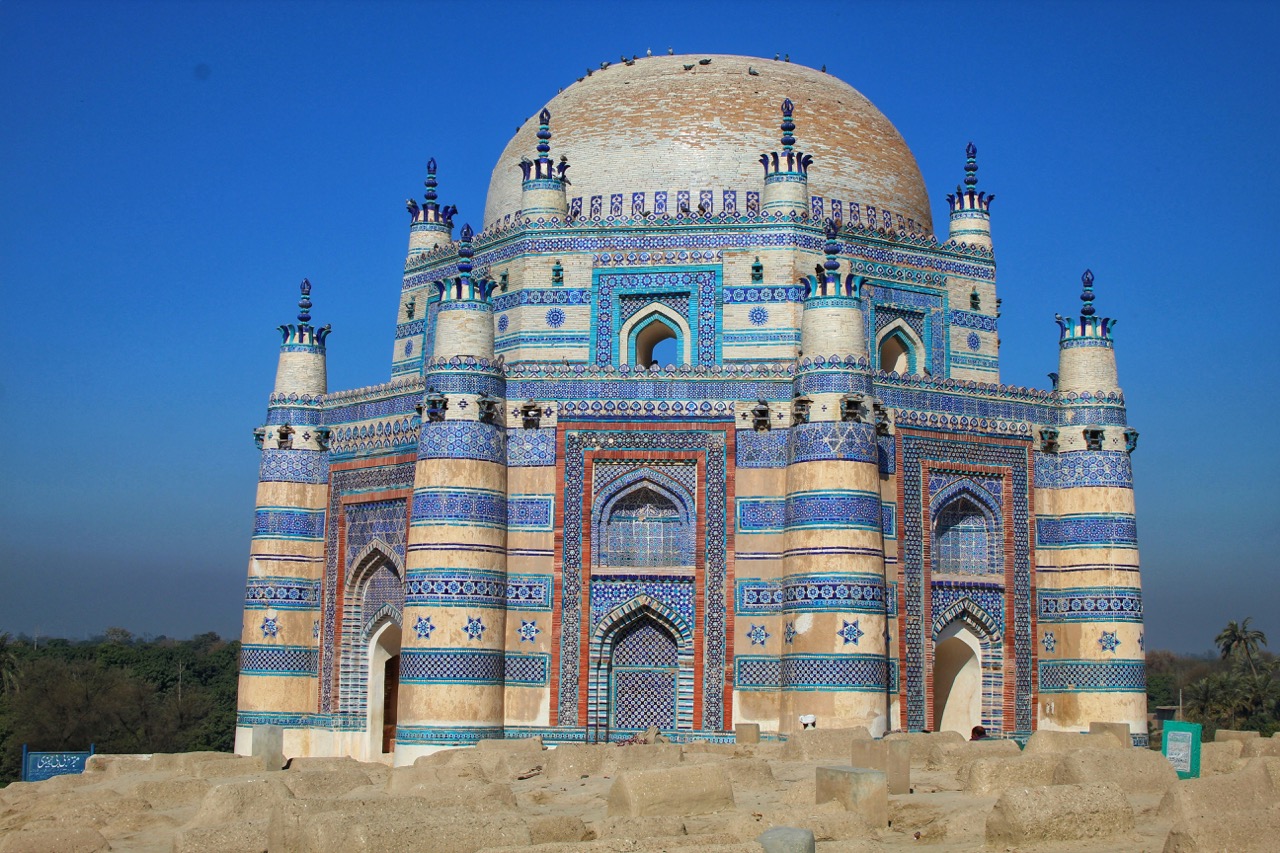
Uch Sharif
Located in Punjab, Pakistan, Uch Sharif is an ancient city believed to have been founded by Alexander the Great that later evolved into a prominent center of Islamic mysticism. The city is globally renowned for its magnificent 15th-century Sufi shrines, particularly the breathtaking Tomb of Bibi Jawindi, which is characterized by striking octagonal designs and vibrant blue-and-white glazed tiles.
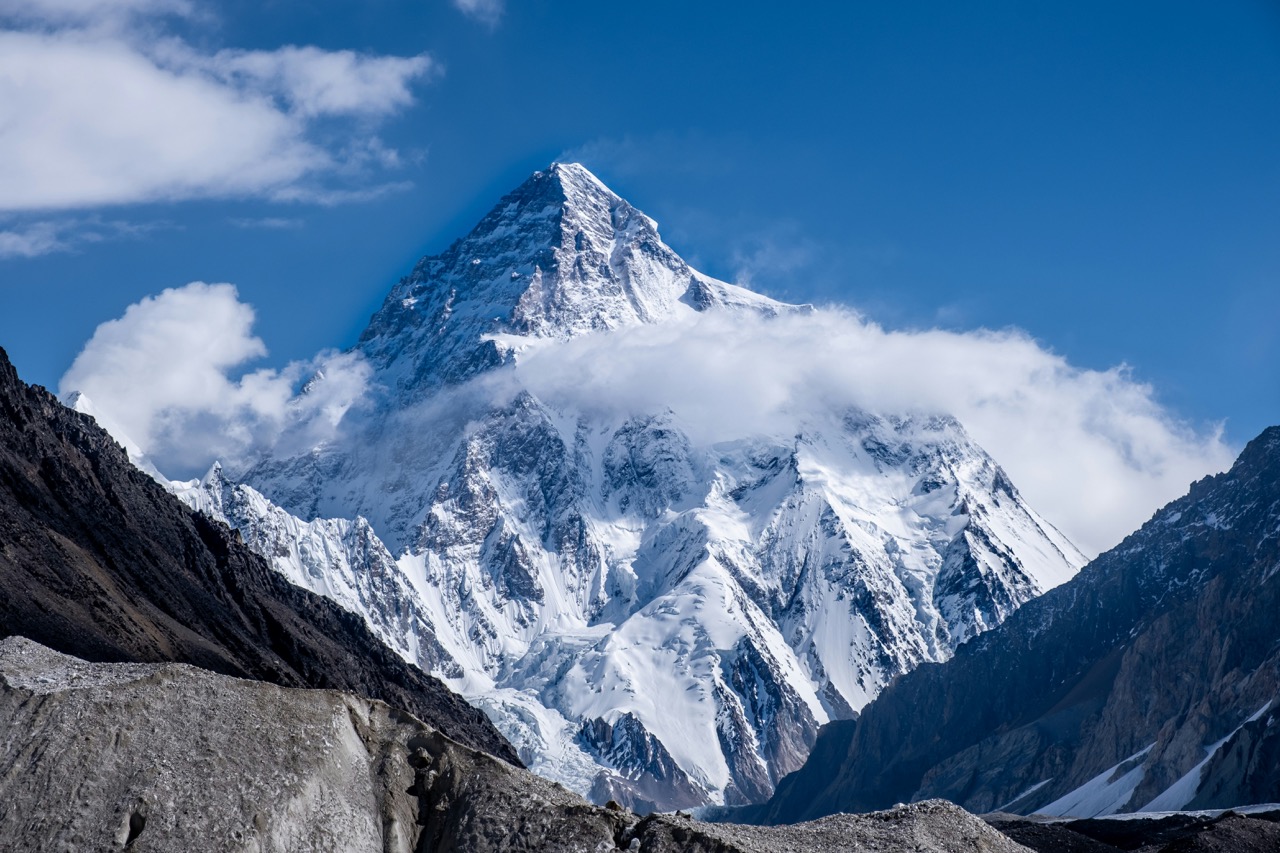
K2 / Mount Godwin-Austen
Standing proudly in the Karakoram range, K2 is the second-highest mountain on Earth at 8,611 meters above sea level. Known as the “Savage Mountain” due to its extreme weather and steep, treacherous ascent, it is considered a far greater challenge for mountaineers than Mount Everest. It remains a legendary and awe-inspiring symbol of Pakistan’s majestic northern landscapes.
Photo by Daniel Born on Unsplash
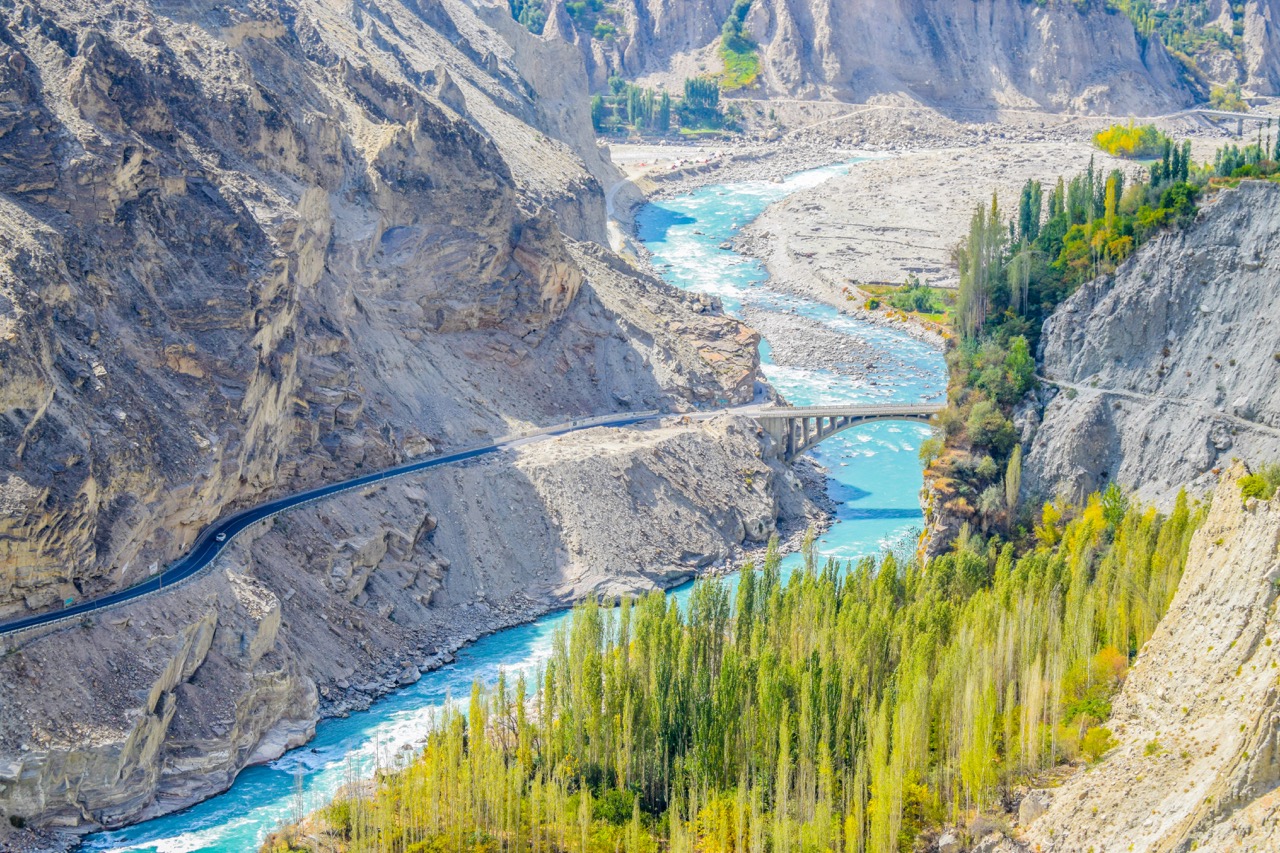
Hunza Valley
Often referred to as “Heaven on Earth,” this mountainous valley is famous for its breathtaking scenery, terraced fields, and the towering Rakaposhi peak. The region is home to ancient, Tibetan-influenced watchtowers like the Altit and Baltit forts which overlook the ancient Silk Road. Furthermore, the valley is renowned for the extraordinary hospitality and longevity of its local population.
Photo by Mehtab Farooq on Unsplash
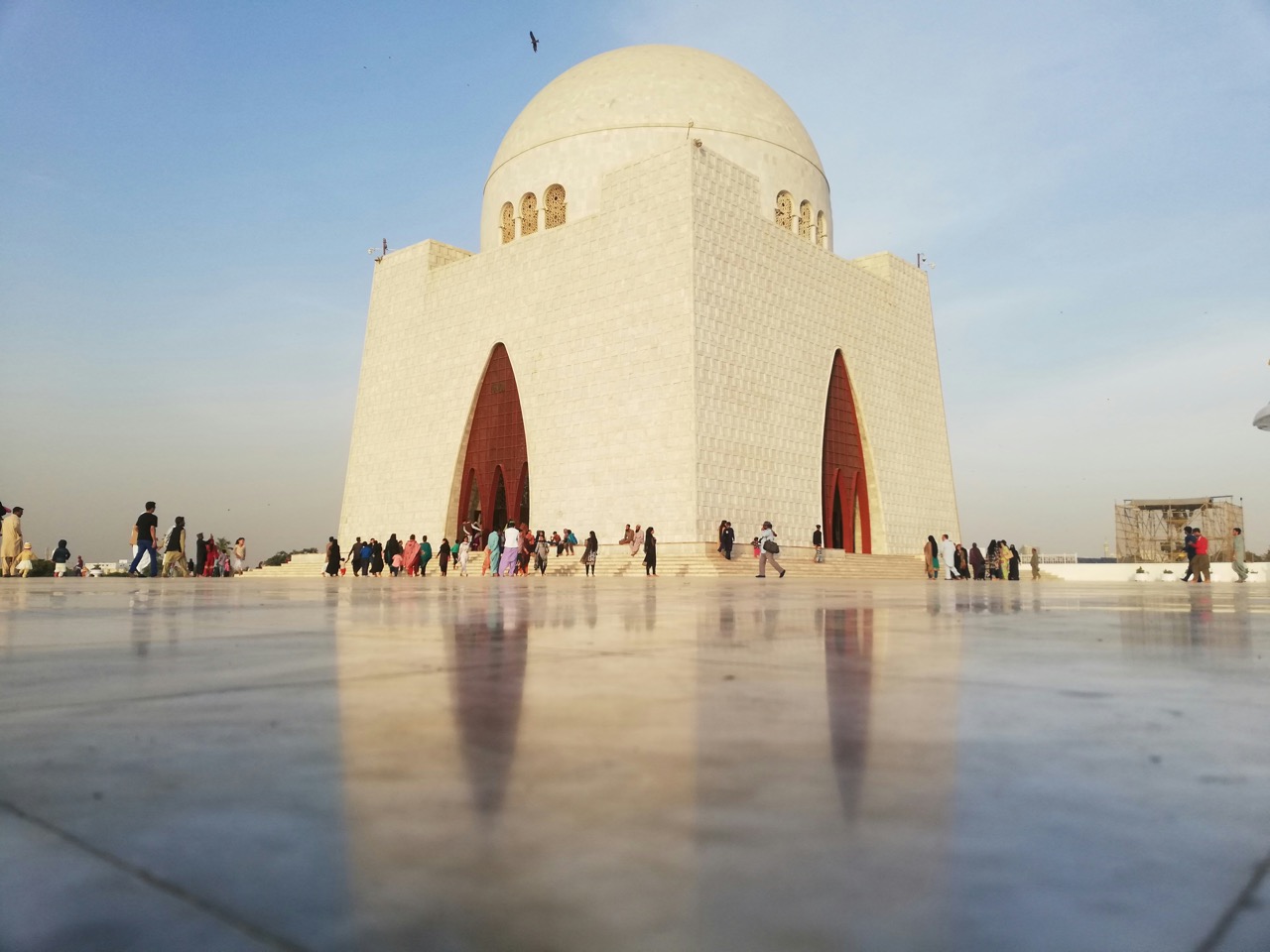
Mazar-e-Quaid
This striking white marble mausoleum is the final resting place of Muhammad Ali Jinnah, the beloved founder of Pakistan. Designed with Moorish architectural influences, the monument stands out with its glowing copper grills and a magnificent crystal chandelier gifted by China. It serves as a national symbol of unity and draws thousands of respectful visitors every day.
Photo by Muhammad Bilal on Unsplash
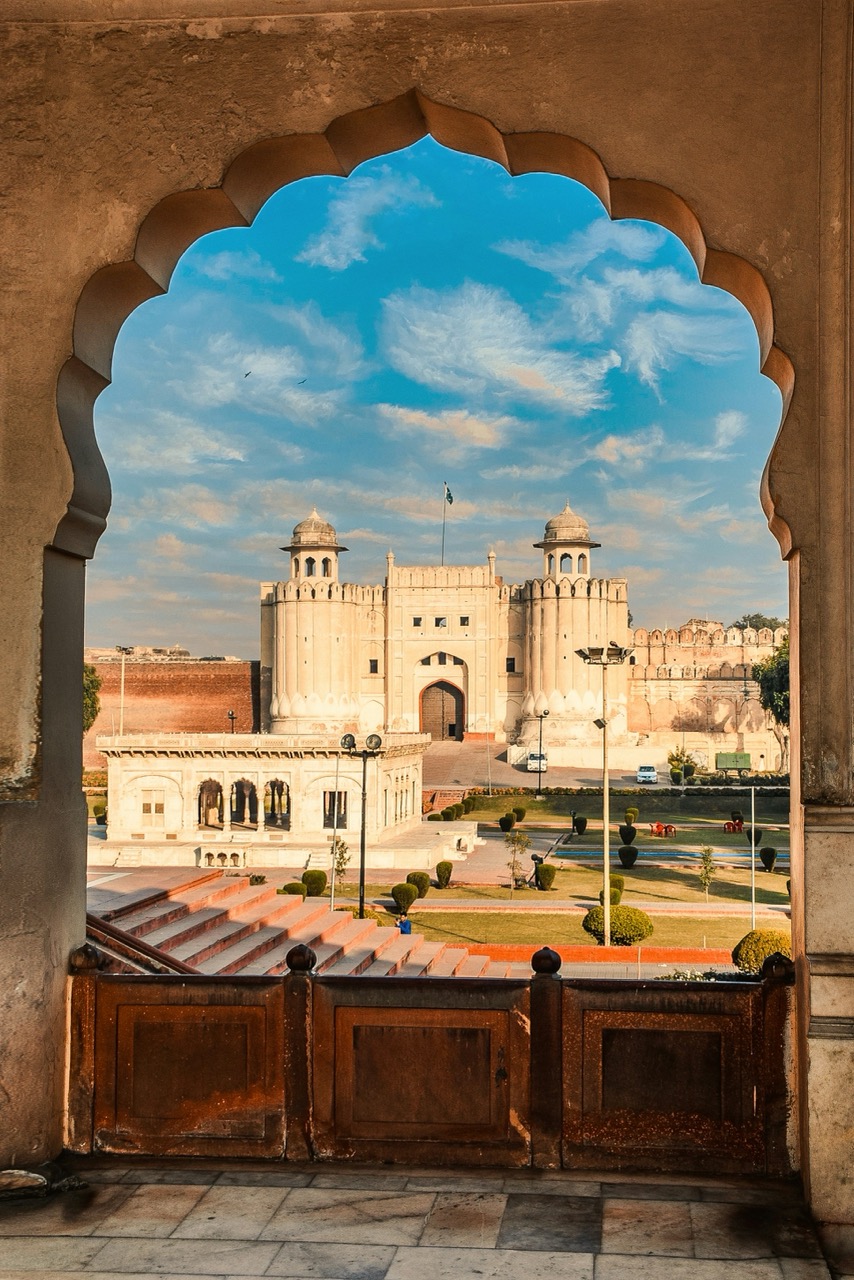
Lahore Fort
This massive citadel was completely rebuilt in the 16th century by the Mughal Emperor Akbar and expanded by subsequent rulers over the centuries. It houses exquisite monuments such as the Sheesh Mahal (Palace of Mirrors), which is brilliantly adorned with thousands of intricate glass mosaics. Today, the fort is a UNESCO World Heritage site that perfectly captures the immense opulence of the Mughal era.