

China
China, officially the People’s Republic of China, is a vast East Asian nation and a global superpower with a history spanning over 4,000 years.It is a leading force in international trade, technology, and manufacturing, with its capital located in Beijing.


Beijing
Beijing, the capital of China, is a vast metropolis known for its rich history, cultural heritage, and political significance, featuring iconic landmarks such as the Forbidden City, Tiananmen Square, and the Great Wall of China, as well as its modern architecture and bustling urban life.
Photo by zhang kaiyv on Unsplash


Shanghai
China’s largest city and a global financial hub, famous for its futuristic Pudong skyline and the historic colonial-era waterfront known as The Bund.
Photo by Ralf Leineweber on Unsplash

Xi’an
One of China’s oldest cities and the starting point of the Silk Road, renowned for the Terracotta Army, thousands of life-sized sculptures buried with the first Emperor.

Terracotta Army
The Terracotta Army is a vast collection of thousands of life-sized clay sculptures depicting the soldiers, horses, and chariots of Qin Shi Huang, the first Emperor of China. These figures were buried in the late 3rd century BC to protect the emperor in his afterlife. Each warrior is uniquely detailed with individual facial expressions, hairstyles, and armor.
Photo by Aaron Greenwood on Unsplash

Great Wall of China
The Great Wall of China is a series of ancient fortifications built to protect Chinese states and empires from invasions, stretching over 13,000 miles and considered one of the most impressive architectural feats in history.
Photo by Max van den Oetelaar on Unsplash

Forbidden City
The Forbidden City, located in the heart of Beijing, China, is a sprawling imperial palace complex that served as the home of Chinese emperors and the political center of Chinese government for nearly 500 years, renowned for its vast size, intricate architecture, and historical significance.

Temple of Heaven
The Temple of Heaven in Beijing is a breathtaking Taoist example, famous for its magnificent, triple-gabled circular Hall of Prayer for Good Harvests, built entirely of interlocking wood without the use of a single iron nail, and featuring deep blue roof tiles symbolising the sky.
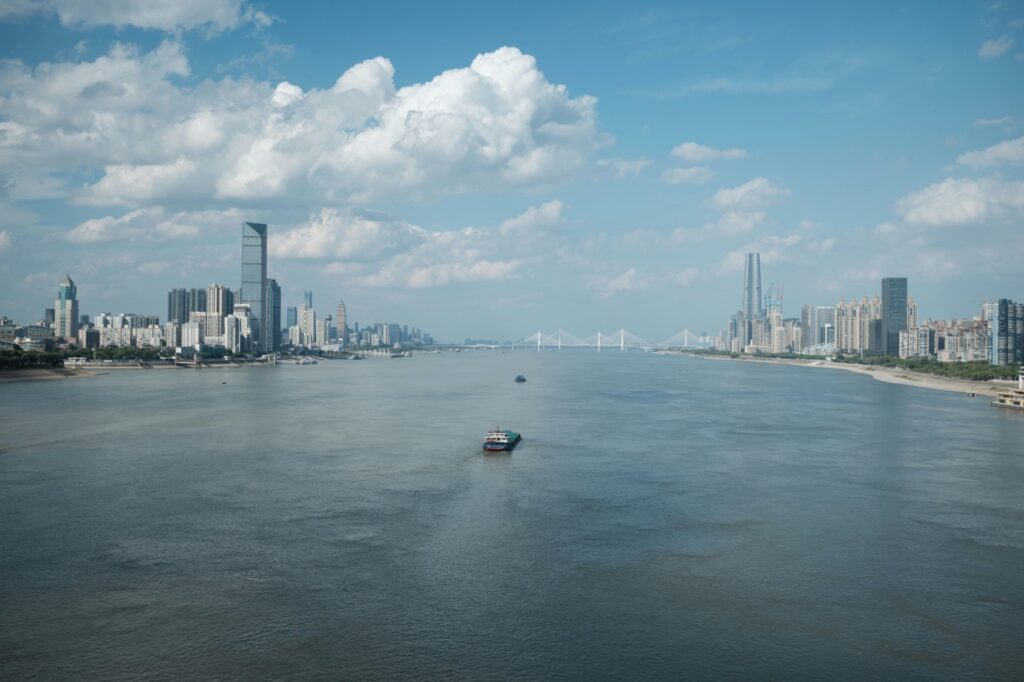
Yangtze
The Yangtze is the longest river in Asia and the third-longest in the world, flowing entirely within a single country for over 6,300 kilometers (3,900 miles) from the Tibetan Plateau eastward to the East China Sea near Shanghai. It serves as the historic, cultural, and economic lifeblood of China, supporting roughly one-third of the country’s population and hosting massive engineering projects like the Three Gorges Dam, the world’s largest hydroelectric power station.
Photo by Aaron Boucicault on Unsplash

Chengdu
The capital of Sichuan province, world-famous as the home of the Giant Panda Breeding Research Base and celebrated for its spicy Sichuan cuisine.
Photo by Yosuke Ota on Unsplash

Guilin and the Li River
A region of world-renowned natural beauty featuring dramatic limestone karst peaks, winding rivers, and traditional rice terraces.
Photo by Daniel Höhe on Unsplash
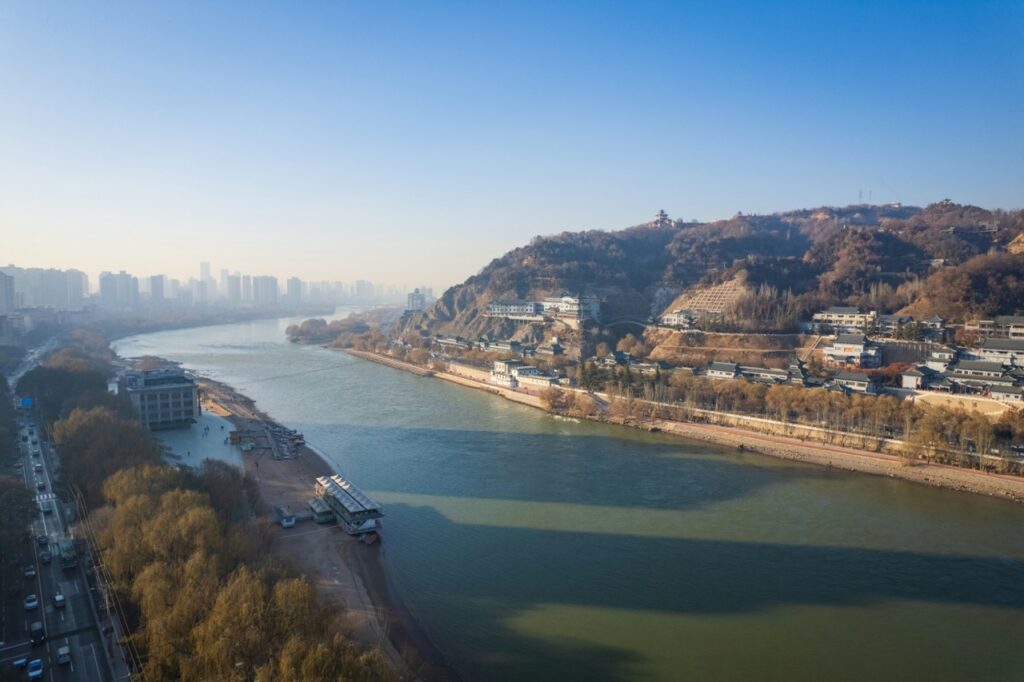
Yellow River
The Yellow River (Huang He) is the second-longest river in China, earning its name from the enormous amounts of fine, yellow, mineral-rich silt (loess) it carries, which gives the water its distinct muddy color. Often called the ‘Cradle of Chinese Civilization’ because ancient dynasties first flourished along its fertile banks

Hangzhou
Praised for centuries for its stunning West Lake, a scenic landscape of pagodas, gardens, and temples that has inspired countless poets and artists.
Photo by David Veksler on Unsplash

Fujian Tulou
These extraordinary, highly unique communal fortresses were built by the Hakka people in southern China starting in the 12th century to protect against bandits and warlords. The Fujian Tulou are massive, multi-story, circular or square enclosed structures made of thick, rammed earth, featuring a completely blank, windowless exterior wall that protects a bustling, open-air central courtyard where hundreds of people from a single clan lived and worked together.

Hongcun Village
This highly elegant, regional style of domestic architecture was developed by wealthy merchants during the Ming and Qing dynasties, perfectly adapted to the densely populated, mountainous terrain of eastern China. Hongcun Village is a flawless, UNESCO-protected example of this style.
Photo by Craig Wang on Unsplash

Zhangjiajie National Forest Park
Famous for its thousands of towering sandstone pillars, which served as the visual inspiration for the “floating mountains” in the movie Avatar.

Confucius
Confucius was a pivotal Chinese philosopher whose teachings on social harmony, filial piety, and ethics shaped the moral and cultural foundation of East Asian society for over two thousand years.