
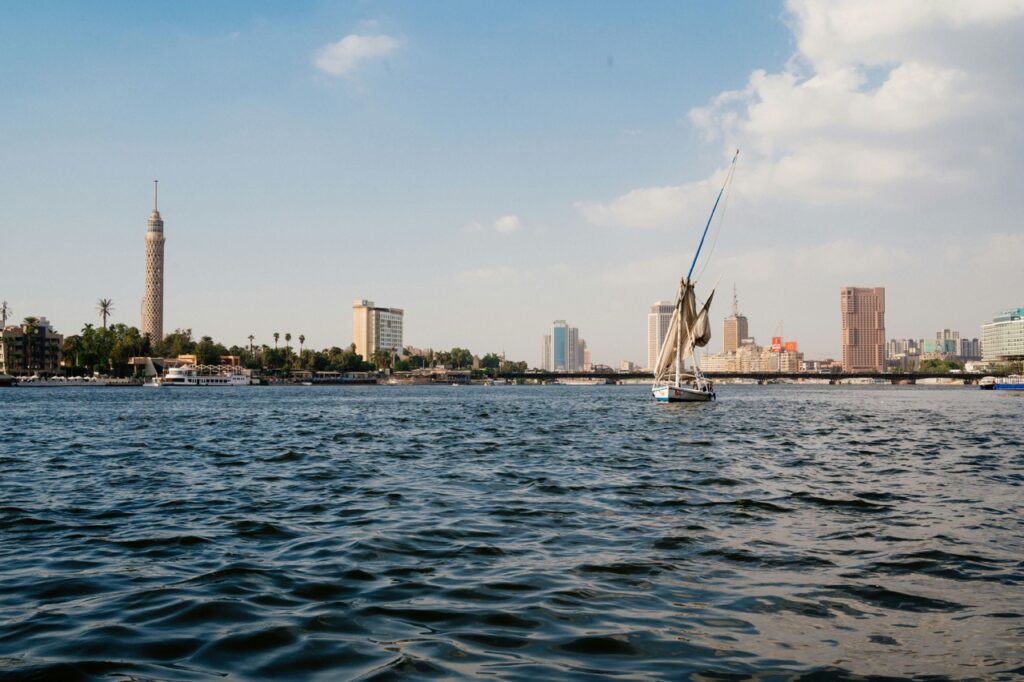
Nile
The Nile River, stretching approximately 6,650 kilometers, is widely regarded as the longest river in the world and has been the lifeblood of ancient Egyptian civilization for thousands of years. It flows northward through eleven countries in northeastern Africa, with its fertile delta and annual floods historically enabling agriculture and supporting dense populations along its banks.
Photo by Alex Kotomanov on Unsplash
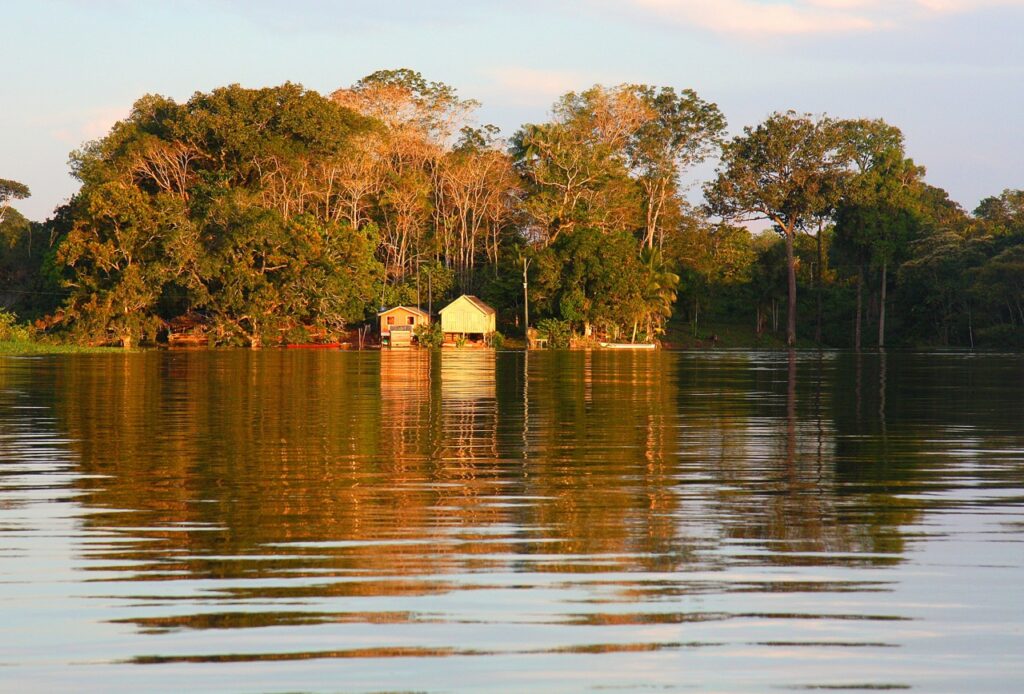
Amazon
The Amazon River, the largest river by discharge volume in the world, winds about 6,400 kilometers through the heart of South America, primarily flowing through Brazil, Peru, and Colombia. Its vast basin, home to the Amazon rainforest, is renowned for unparalleled biodiversity, indigenous communities, and a crucial role in global climate regulation.
Photo by Nareeta Martin on Unsplash
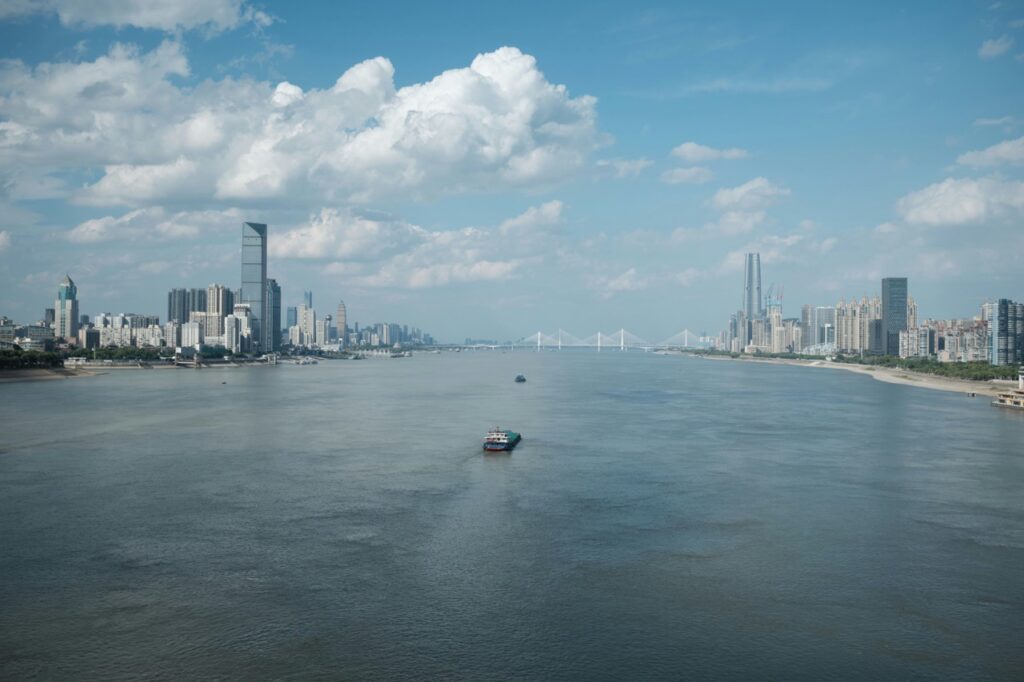
Yangtze
The Yangtze is the longest river in Asia and the third-longest in the world, flowing entirely within a single country for over 6,300 kilometers (3,900 miles) from the Tibetan Plateau eastward to the East China Sea near Shanghai. It serves as the historic, cultural, and economic lifeblood of China, supporting roughly one-third of the country’s population and hosting massive engineering projects like the Three Gorges Dam, the world’s largest hydroelectric power station.
Photo by Aaron Boucicault on Unsplash
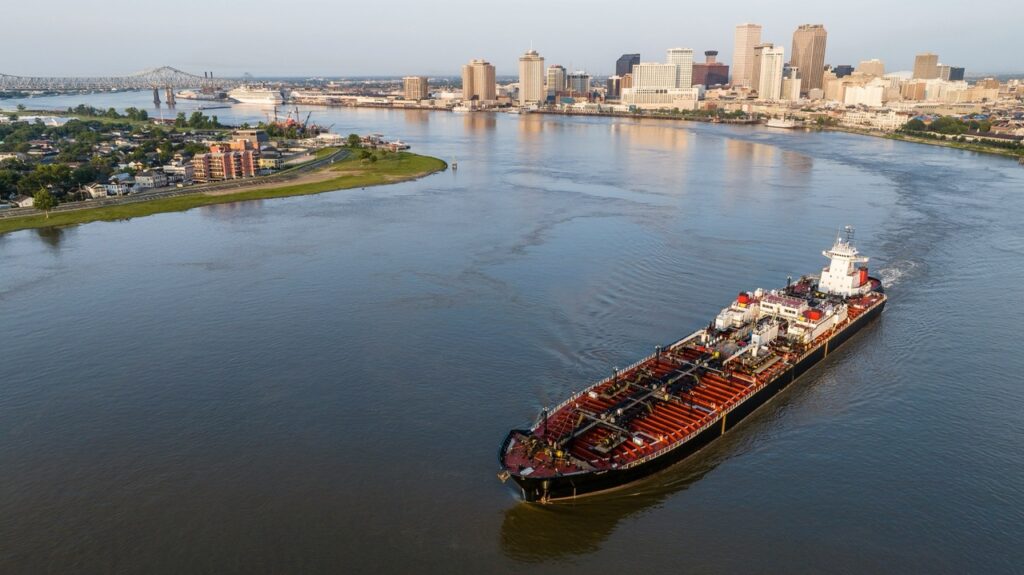
Mississippi River
The Mississippi River is the second-longest river in North America, flowing 2,340 miles (3,766 kilometers) straight down the center of the United States from its source at Lake Itasca in Minnesota to its massive delta in the Gulf of Mexico. Functioning as one of the world’s most crucial commercial waterways, its vast drainage basin covers parts of 31 U.S. states and two Canadian provinces, transporting massive quantities of agricultural goods and shaping the history and economy of the American heartland.
Photo by Ricky Beron on Unsplash
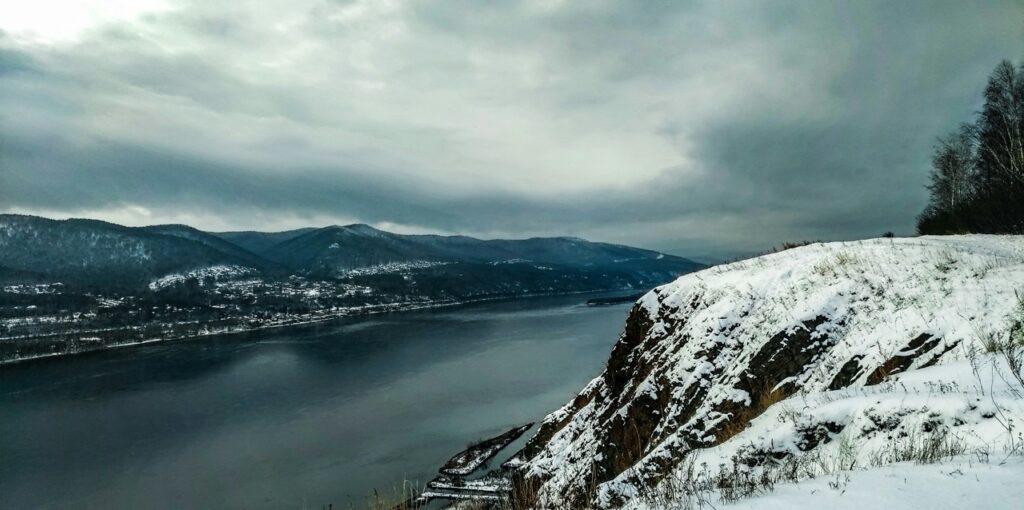
Yenisei
The Yenisei is the largest river system flowing into the Arctic Ocean and the fifth-longest river in the world, originating in Mongolia and carving a massive, 3,445-kilometer (2,141-mile) path straight through the heart of Siberia. As it flows northward through remote, frozen landscapes and dense taiga forests, it serves as a crucial transportation artery for central Russia, though it remains locked under thick ice for more than half the year.
Photo by Pavel Machagin on Unsplash
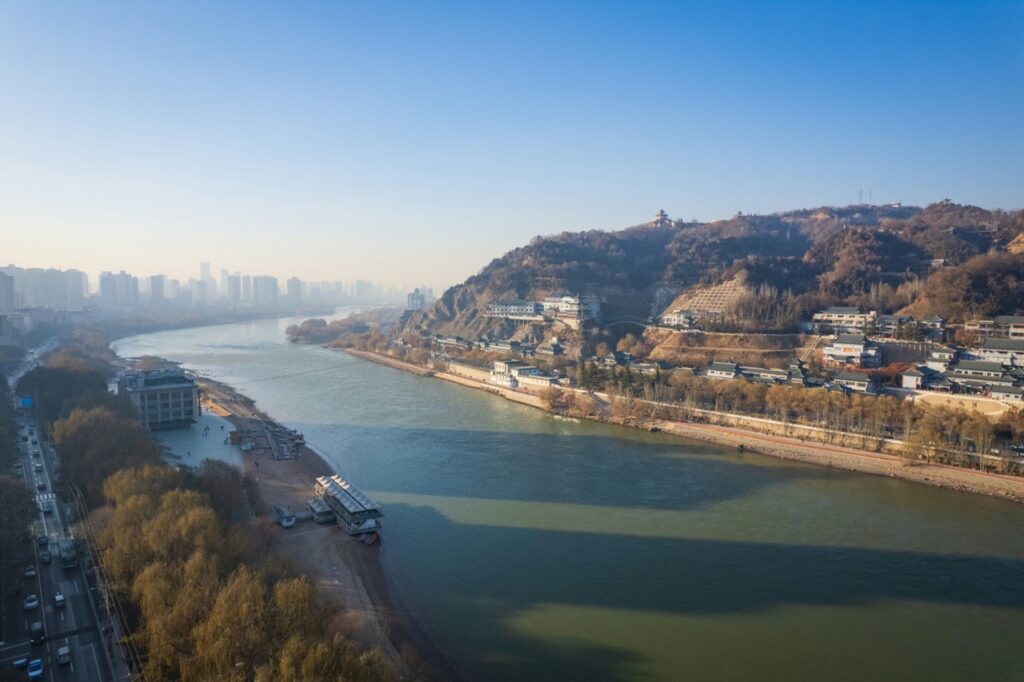
Yellow River
The Yellow River (Huang He) is the second-longest river in China, earning its name from the enormous amounts of fine, yellow, mineral-rich silt (loess) it carries, which gives the water its distinct muddy color. Often called the ‘Cradle of Chinese Civilization’ because ancient dynasties first flourished along its fertile banks
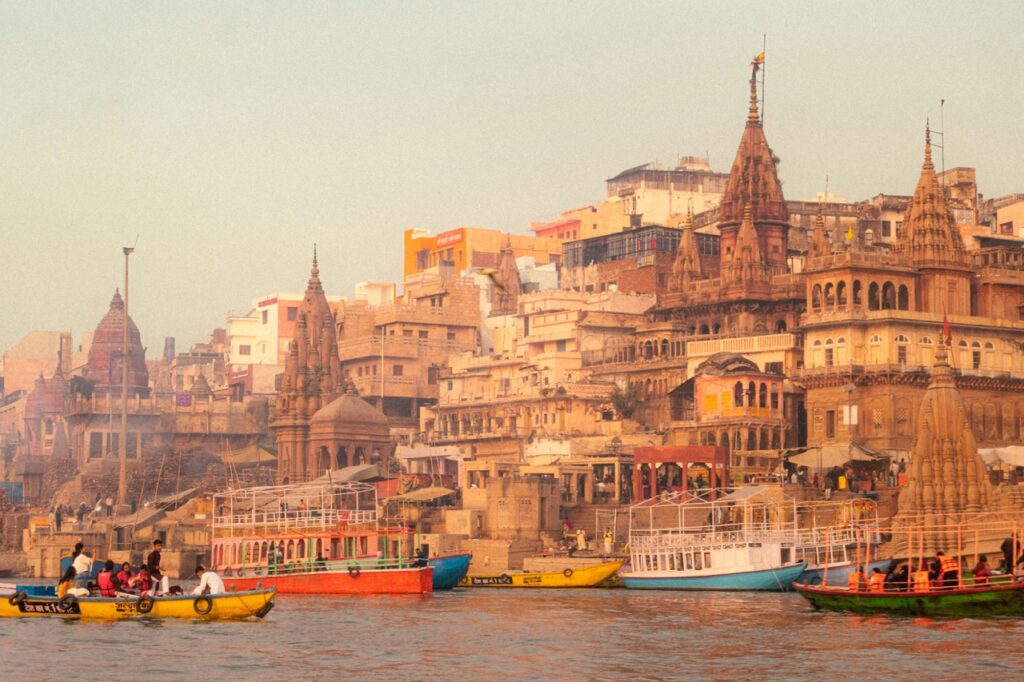
Ganges River
The Ganges River flows for over 2,500 kilometers from the towering, ice-capped Himalayas down through the fertile plains of northern India and Bangladesh, eventually emptying into the Bay of Bengal through the world’s largest river delta. Beyond its crucial role in providing water and agricultural sustenance to over 400 million people, the Ganges is considered the most sacred river in Hinduism, revered as a living goddess whose waters are believed to purify the soul.
Photo by Subhra Jyoti Paul on Unsplash
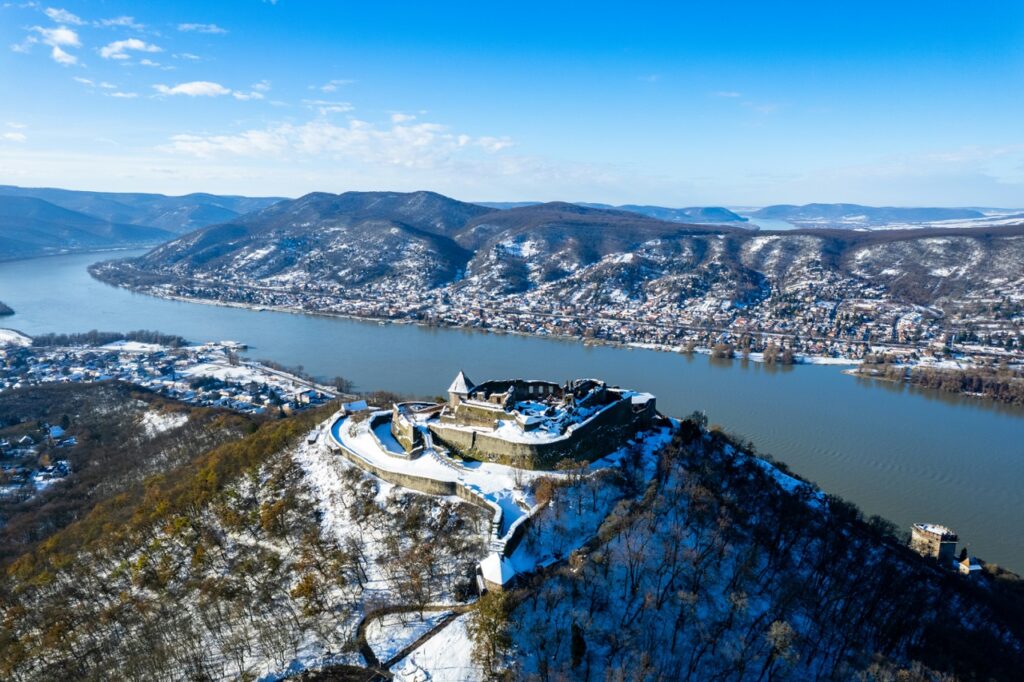
Danube
The Danube is Europe’s second-longest river, originating in the Black Forest of Germany and flowing southeast for 2,850 kilometers (1,770 miles) before emptying into the Black Sea via a massive, biodiverse delta in Romania and Ukraine. It is a historic and vital commercial waterway that remarkably passes through or touches the borders of ten different countries—more than any other river in the world—while flowing directly through four European capital cities: Vienna, Bratislava, Budapest, and Belgrade.
Photo by Roland Barkóczi on Unsplash