

Earth
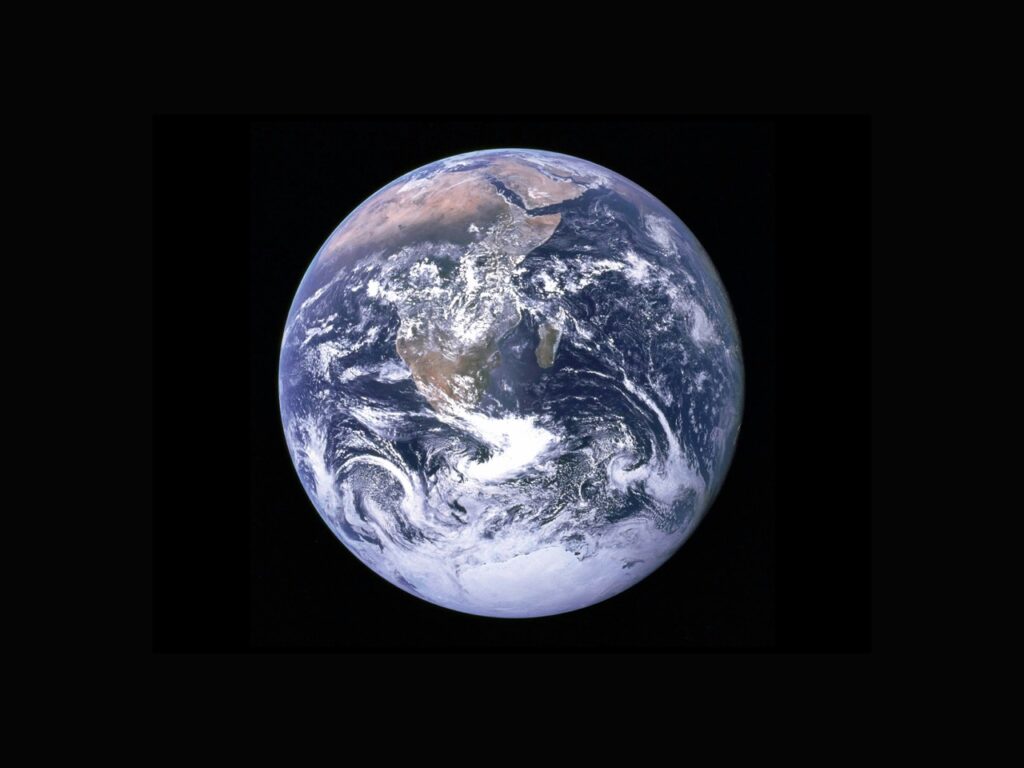
Planet Earth is the third planet from the Sun in our solar system, with a diameter of approximately 12,742 kilometers (7,918 miles), a mass of about 5.97 × 10^24 kilograms, and a unique composition of 71% water and 29% land, supporting a vast array of ecosystems and a diverse biosphere.
Photo by NASA

Geologic layers
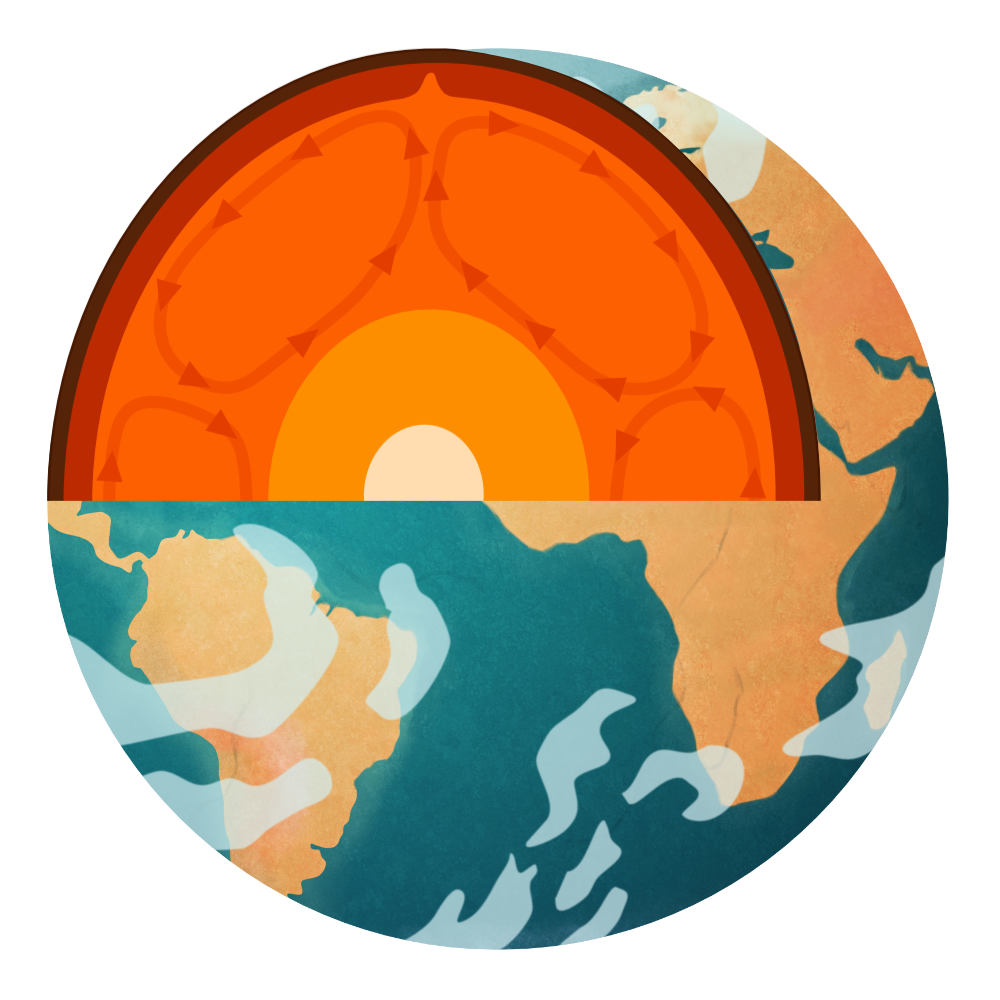
The geologic layers of Earth consist of the crust, a thin outer shell; the mantle, a thick layer of silicate minerals; the outer core, composed of liquid iron and nickel; and the inner core, a solid sphere of iron and nickel at the planet’s center.
Illustration by Tomas Tuma
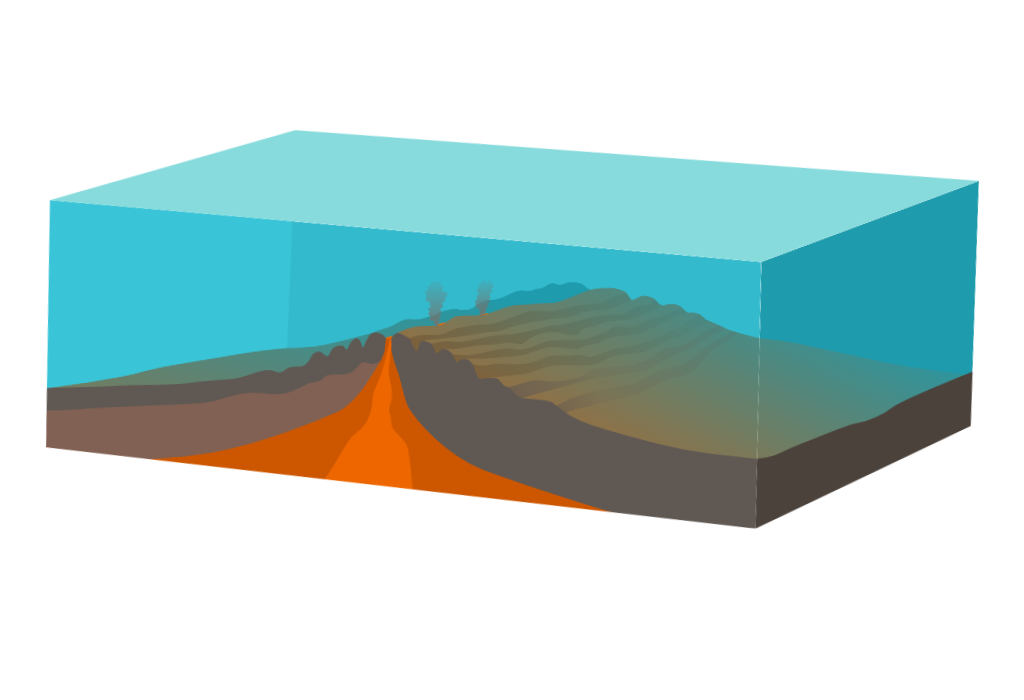
Plate tectonics
Plate tectonics is the scientific theory describing the large-scale movement and interactions of Earth’s lithospheric plates, which float on the semi-fluid asthenosphere, leading to geological phenomena such as earthquakes, volcanic activity, mountain building, and oceanic trench formation.
Illustration by Tomas Tuma
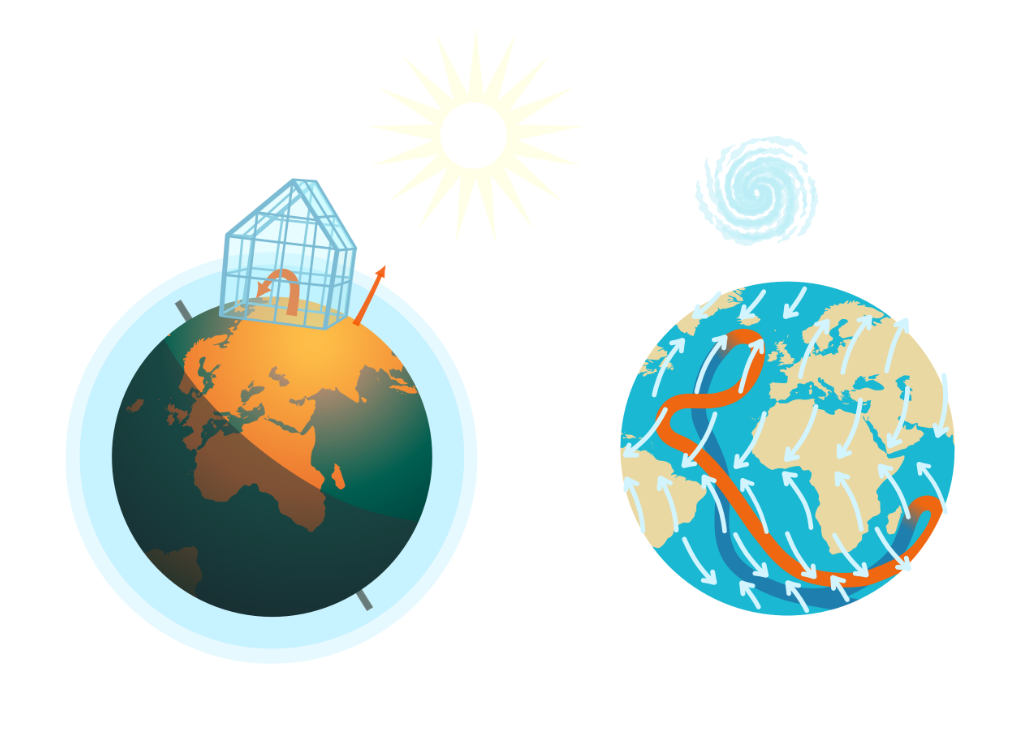
Atmosphere
Earth’s atmosphere is a multi-layered envelope of gases surrounding the planet, primarily composed of nitrogen (78%), oxygen (21%), and trace amounts of argon, carbon dioxide, and other gases, which protects life by absorbing ultraviolet solar radiation, reducing temperature extremes between day and night, and enabling weather and climate patterns.
Illustration by Tomas Tuma
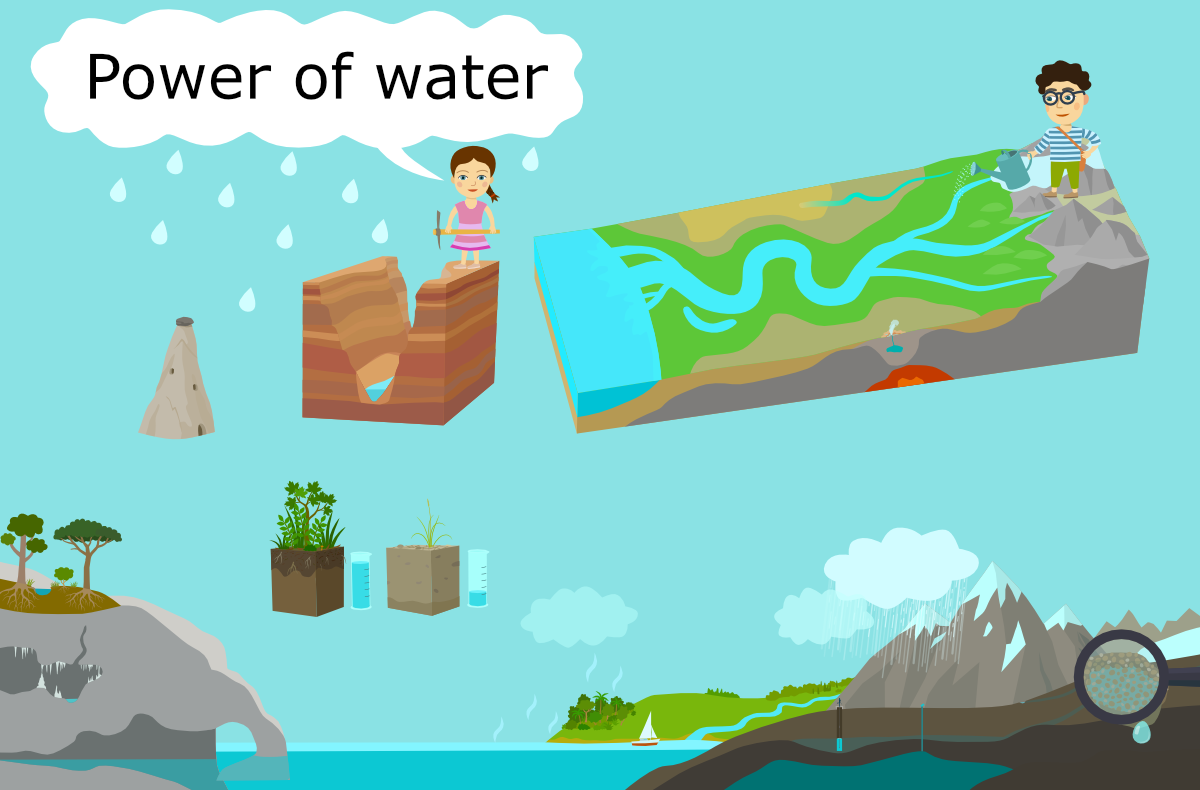
Water cycle
The water cycle is the continuous movement of water on, above, and below the Earth’s surface through processes such as evaporation, condensation, and precipitation.
Illustration by Tomas Tuma