
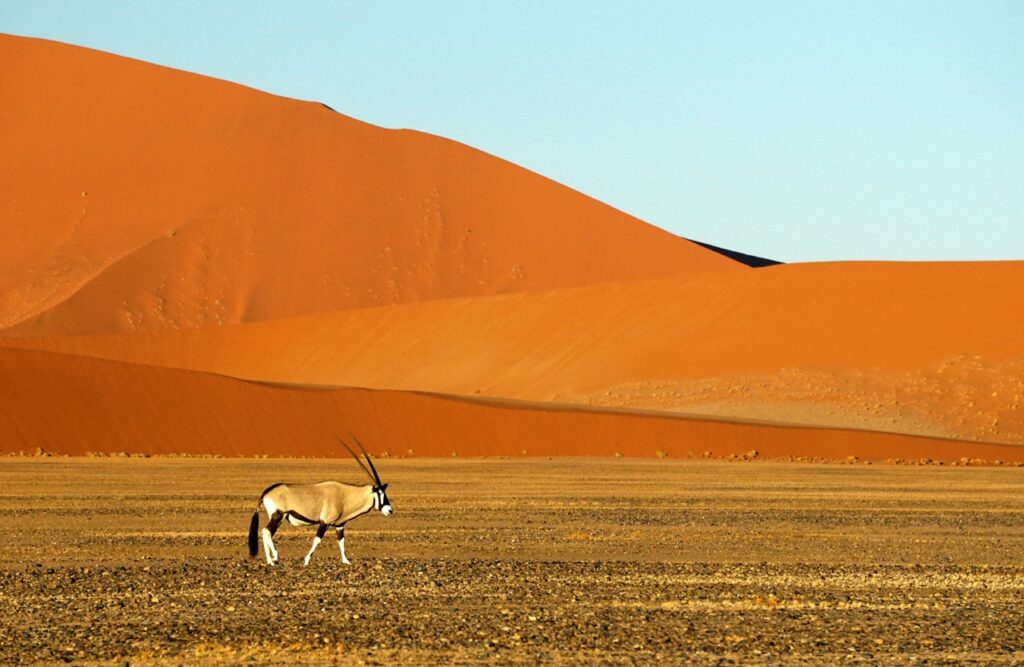
Gemsbok
The gemsbok is a large, desert-adapted antelope native to Southern Africa, renowned for its striking black-and-white facial markings and long, spear-like horns.
Photo by Joe McDaniel on Unsplash
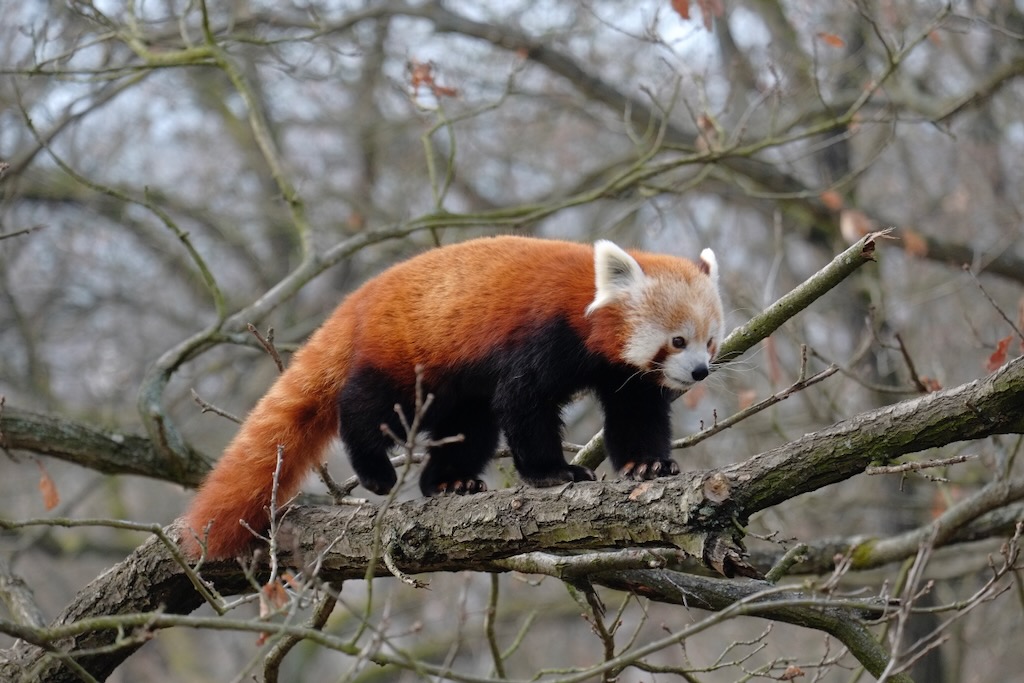
Red panda
A small mammal native to the eastern Himalayas and southwestern China, the red panda ( Ailurus fulgens) is characterized by its reddish-brown fur, long bushy tail with alternating light and dark rings, and a waddling gait.
Photo by Tomas Tuma
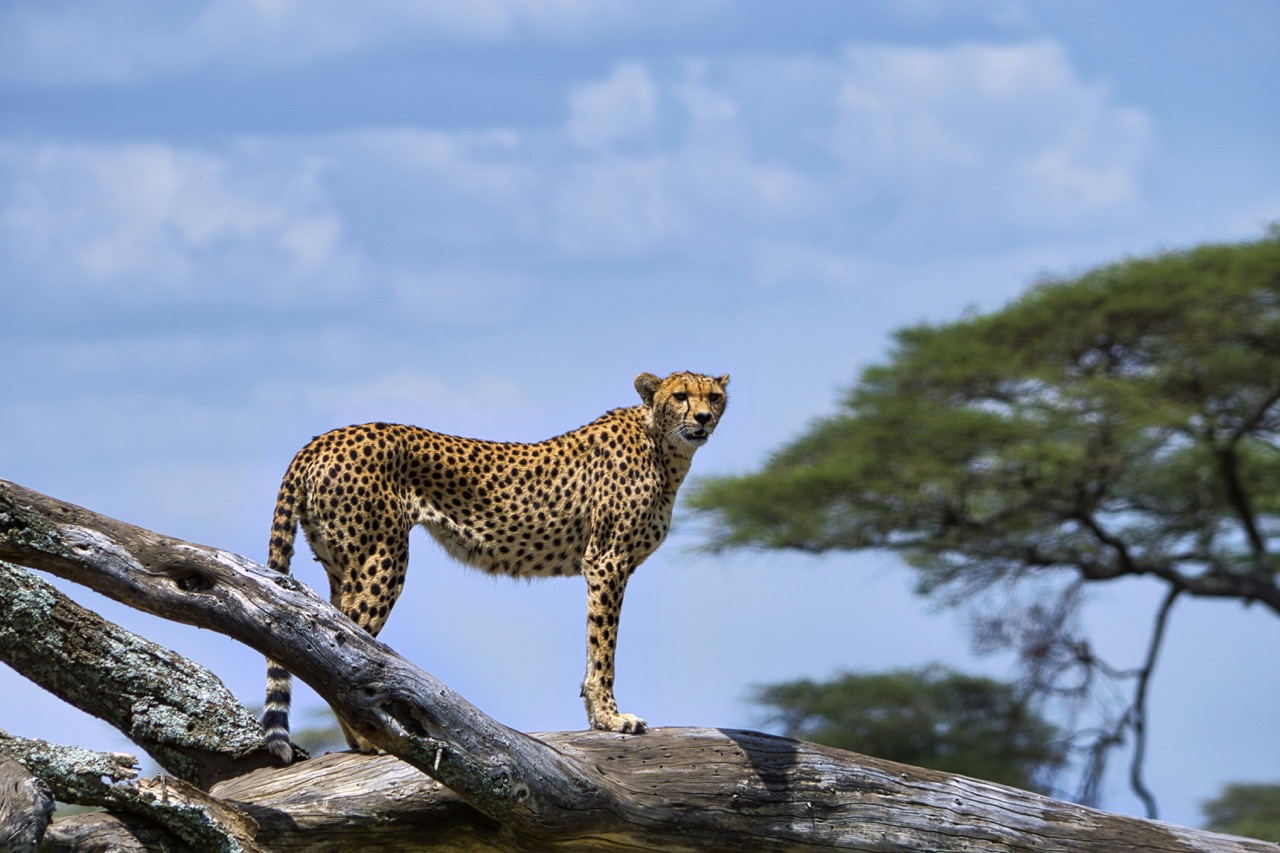
Cheetah
The cheetah is the world’s fastest land animal, a sleek feline native to Africa and Iran that is capable of reaching speeds up to 70 mph in short bursts.
Photo by Partha Narasimhan on Unsplash
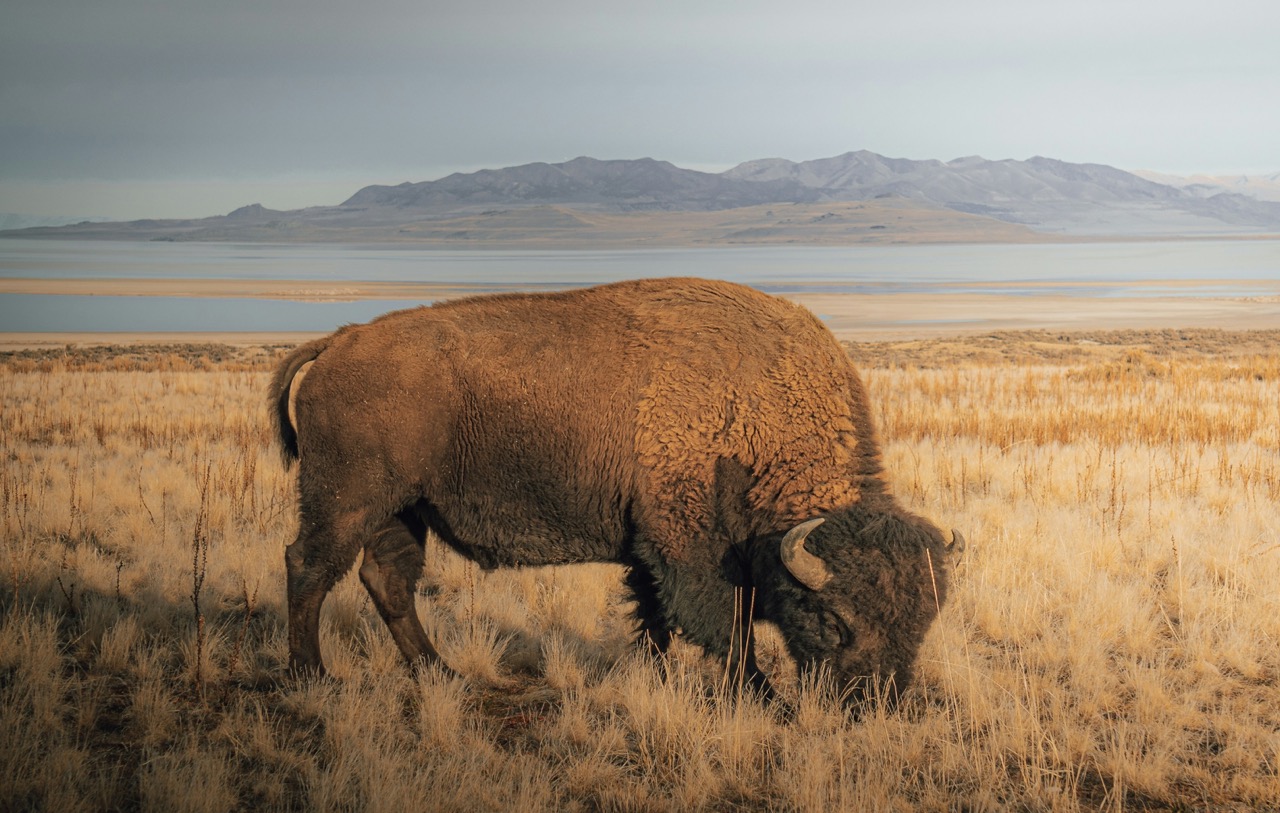
Bison
The bison is a massive, hoofed mammal characterized by its humped shoulders and thick coat, serving as the largest land animal in both North America and Europe.
Photo by Harrison Steen on Unsplash
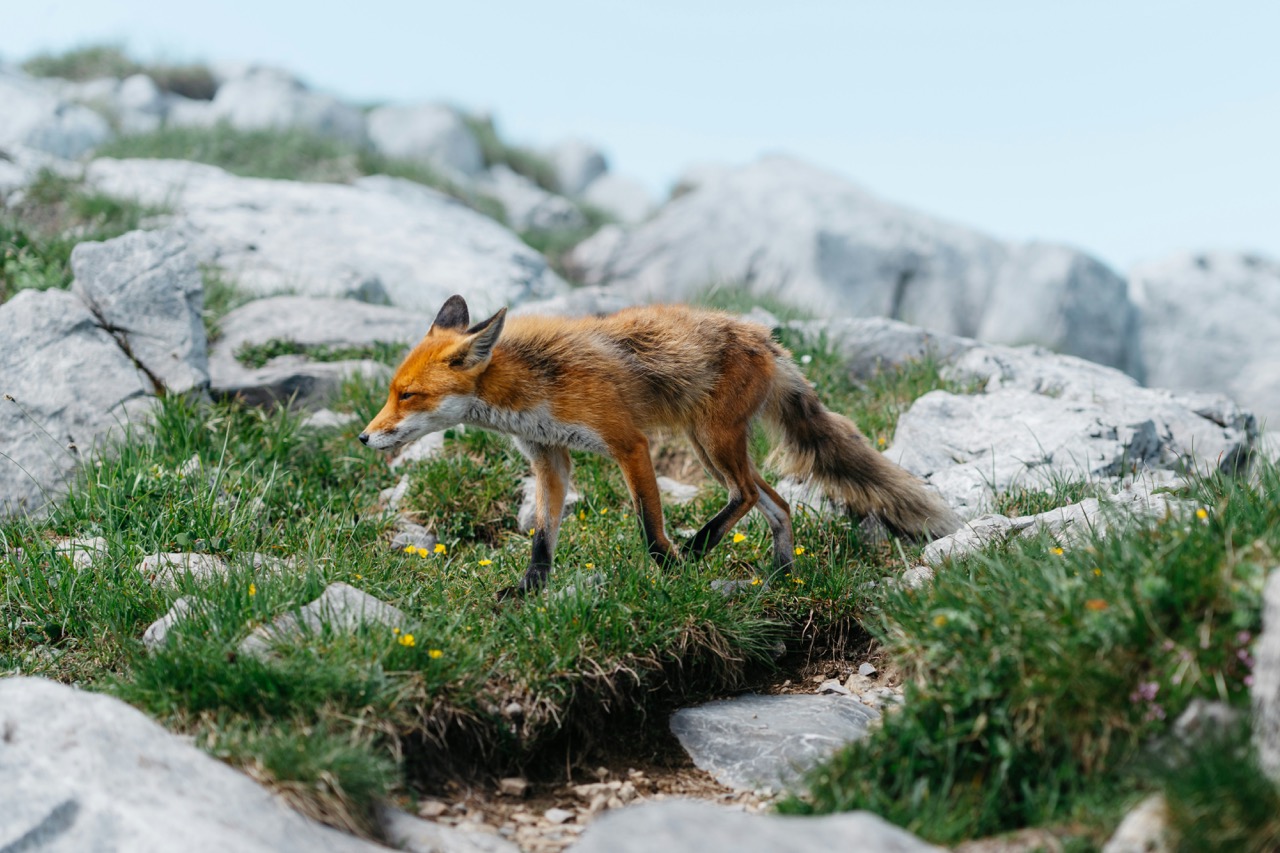
Red fox
The red fox is the most widely distributed wild carnivore in the world, known for its extreme adaptability and its iconic reddish-orange coat with a bushy, white-tipped tail.
Photo by Yevhenii Dubrovskyi on Unsplash
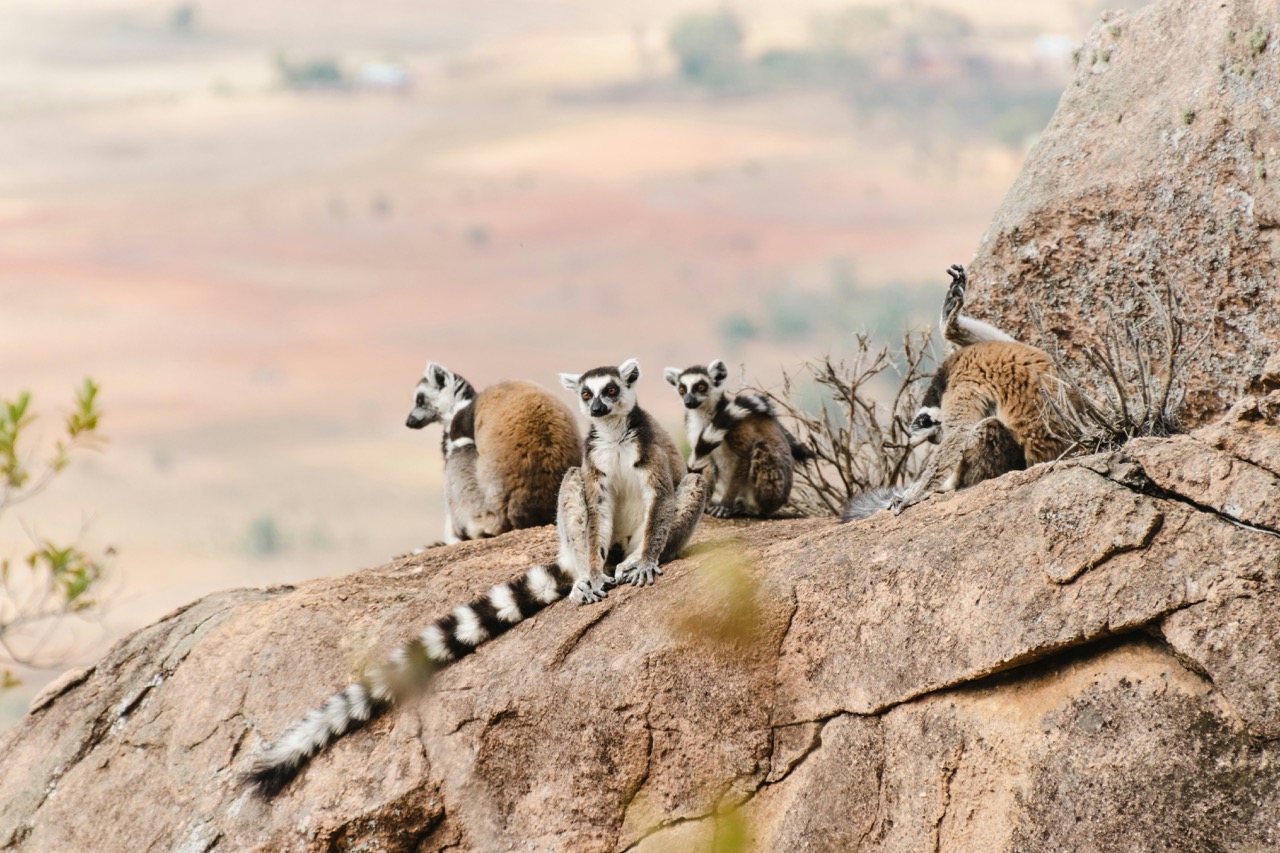
Ring-tailed lemur
The ring-tailed lemur is a social primate endemic to Madagascar, easily recognized by its long, black-and-white striped tail.
Photo by Guillermo Suarez on Unsplash
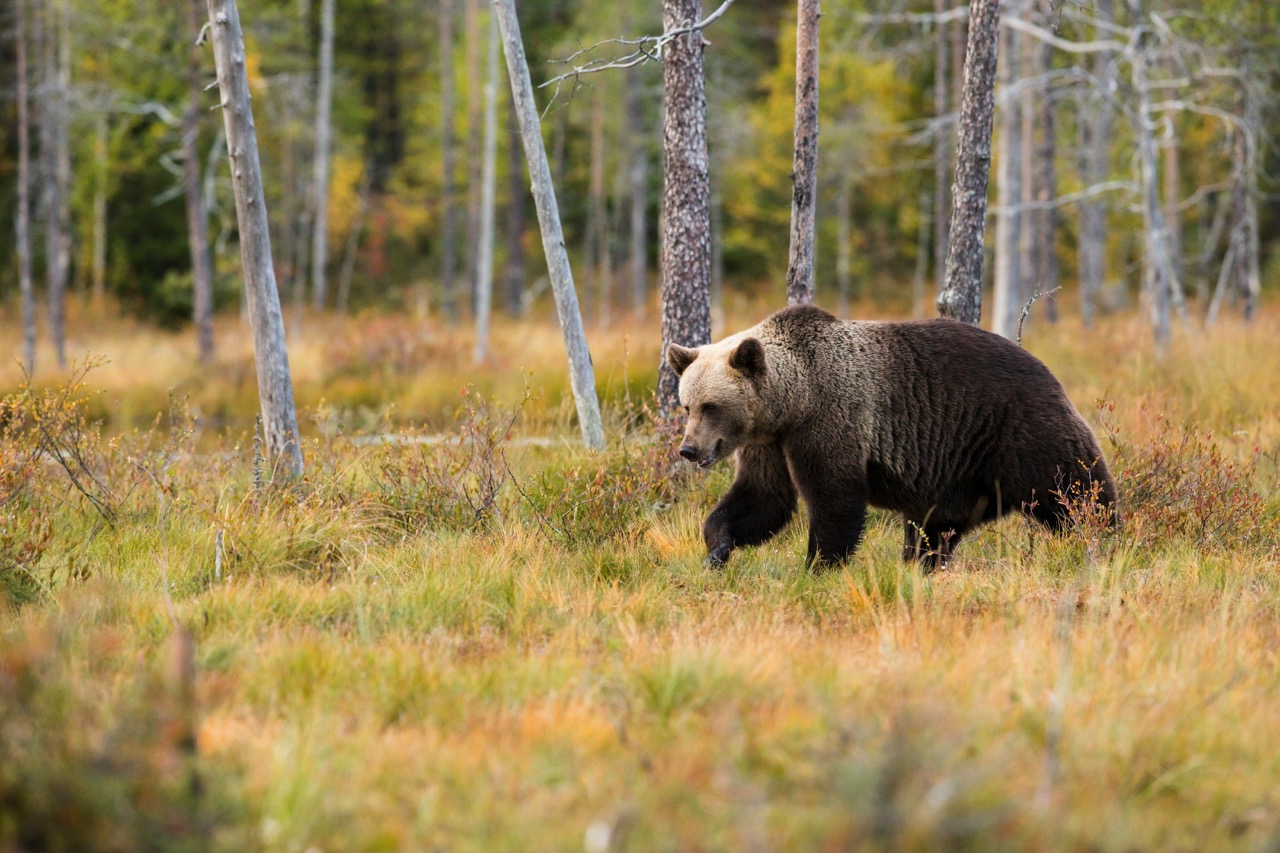
Brown bear
The brown bear (Ursus arctos) is a large, powerful mammal widely distributed across North America and Eurasia, encompassing subspecies such as the grizzly and Kodiak bear.
Photo by Zdeněk Macháček on Unsplash

Humpback whale
Whales are classified as mammals. Unlike fish, whales breathe air using lungs (which is why they must come to the surface), they are warm-blooded, and they give birth to live young that they nurse with rich milk.
Photo by Chinh Le Duc on Unsplash
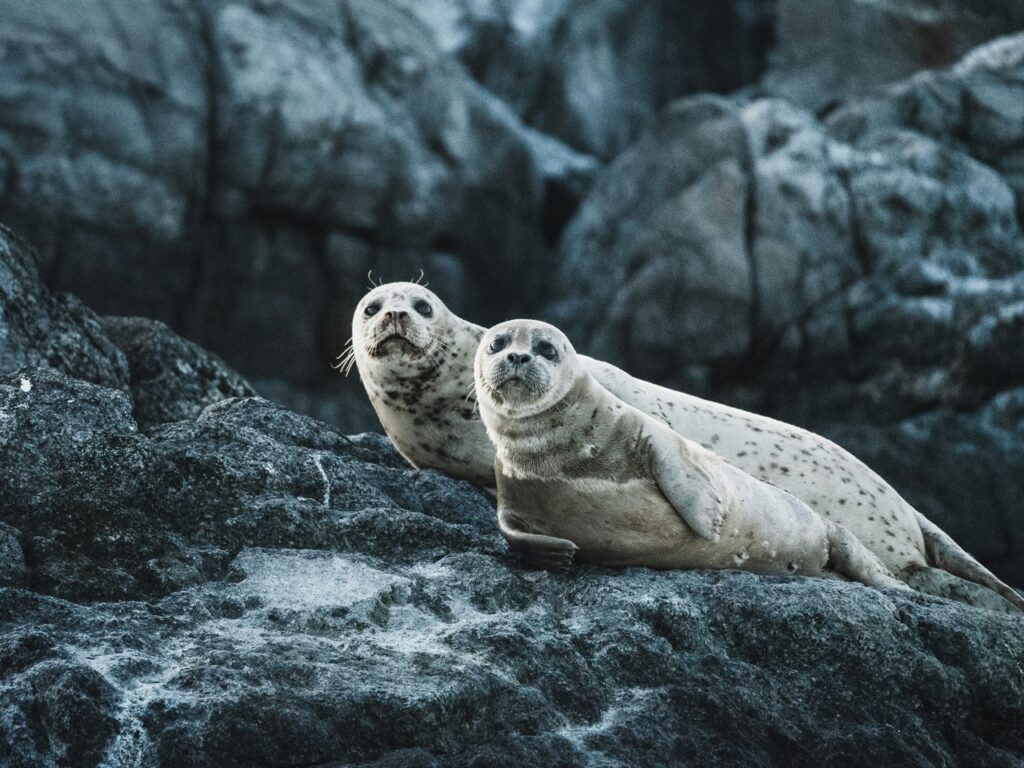
Harbor Seal
The harbor seal is a widespread marine mammal found along temperate and Arctic coastlines, recognizable by its spotted coat and lack of external ear flaps. These social pinnipeds frequently “haul out” onto rocks or sandbanks to rest and are known for their distinctive V-shaped nostrils.
Photo by Neil Cooper on Unsplash