
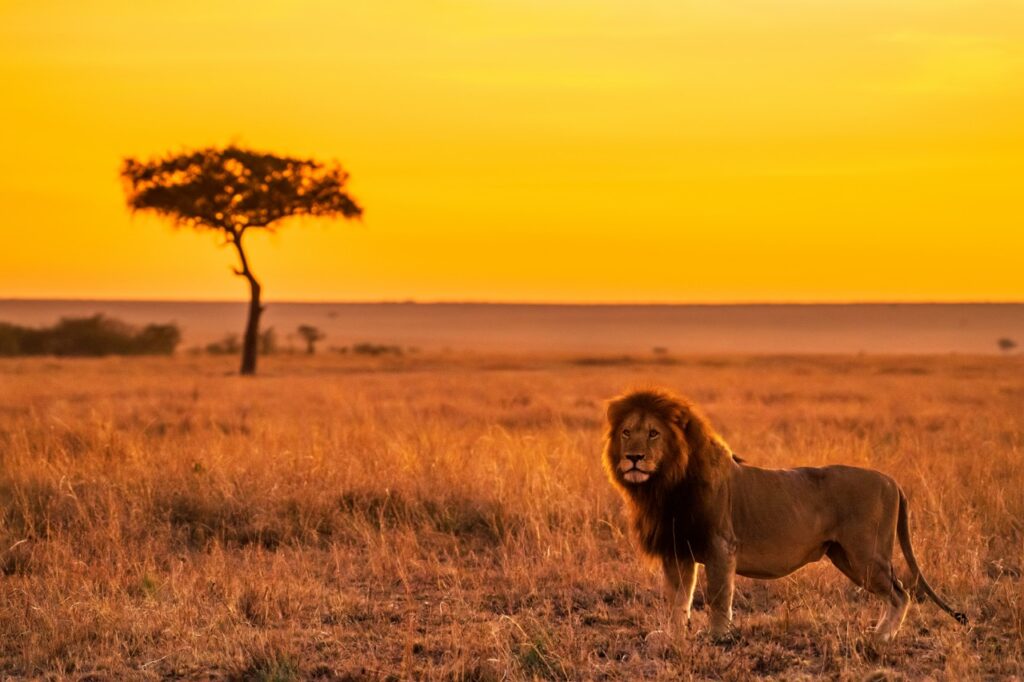
Savanna
The savanna is a grassland biome characterized by its scattered trees, vast open spaces, warm temperatures, and seasonal rainfall, supporting a diverse array of wildlife such as lions, elephants, and zebras.
Photo by Keyur Nandaniya on Unsplash
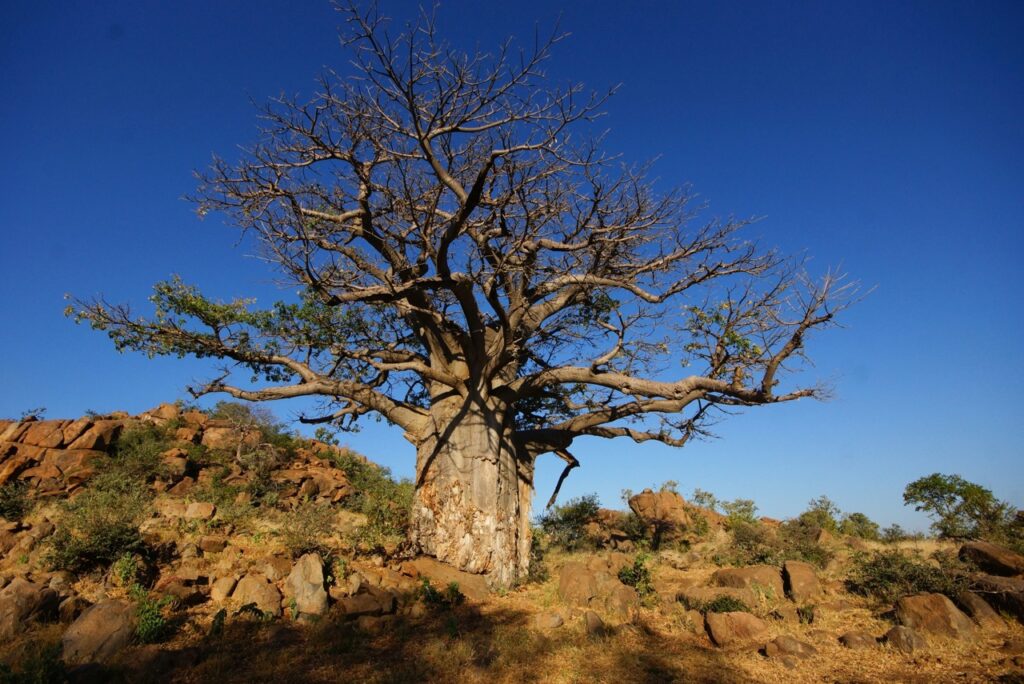
Adansonia digitata
Adansonia digitata, commonly known as the African baobab tree, is a distinctive and long-lived tree recognized for its massive trunk, unique bottle shape, and ability to store large amounts of water, thriving in the dry savanna regions of Africa.
Photo by Leon Pauleikhoff on Unsplash
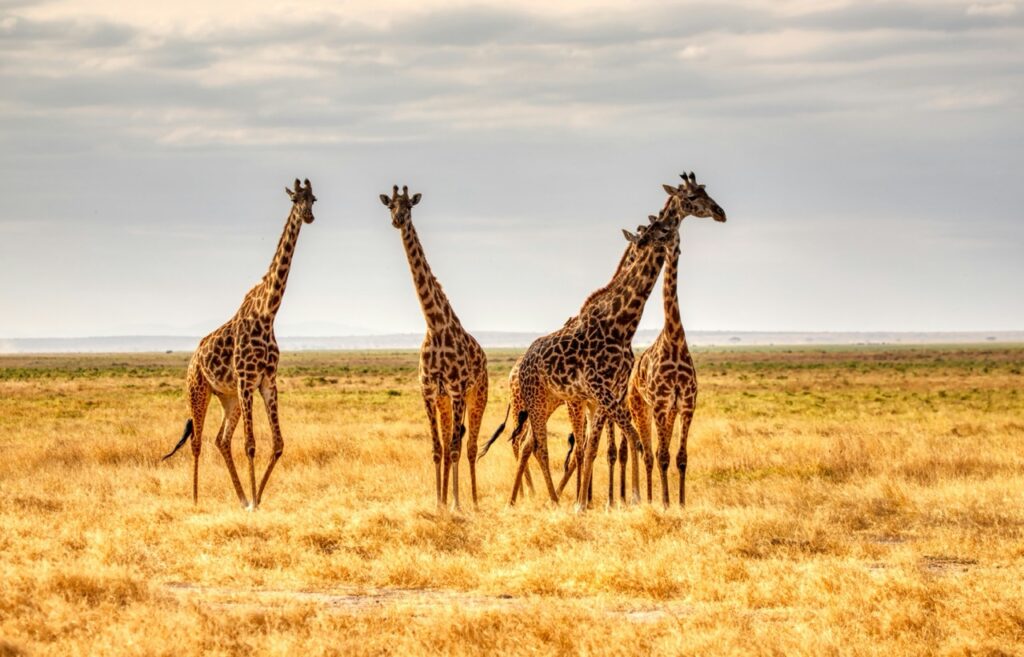
Giraffe
The giraffe is the world’s tallest land mammal, native to the African savanna.
Photo by MARIOLA GROBELSKA on Unsplash
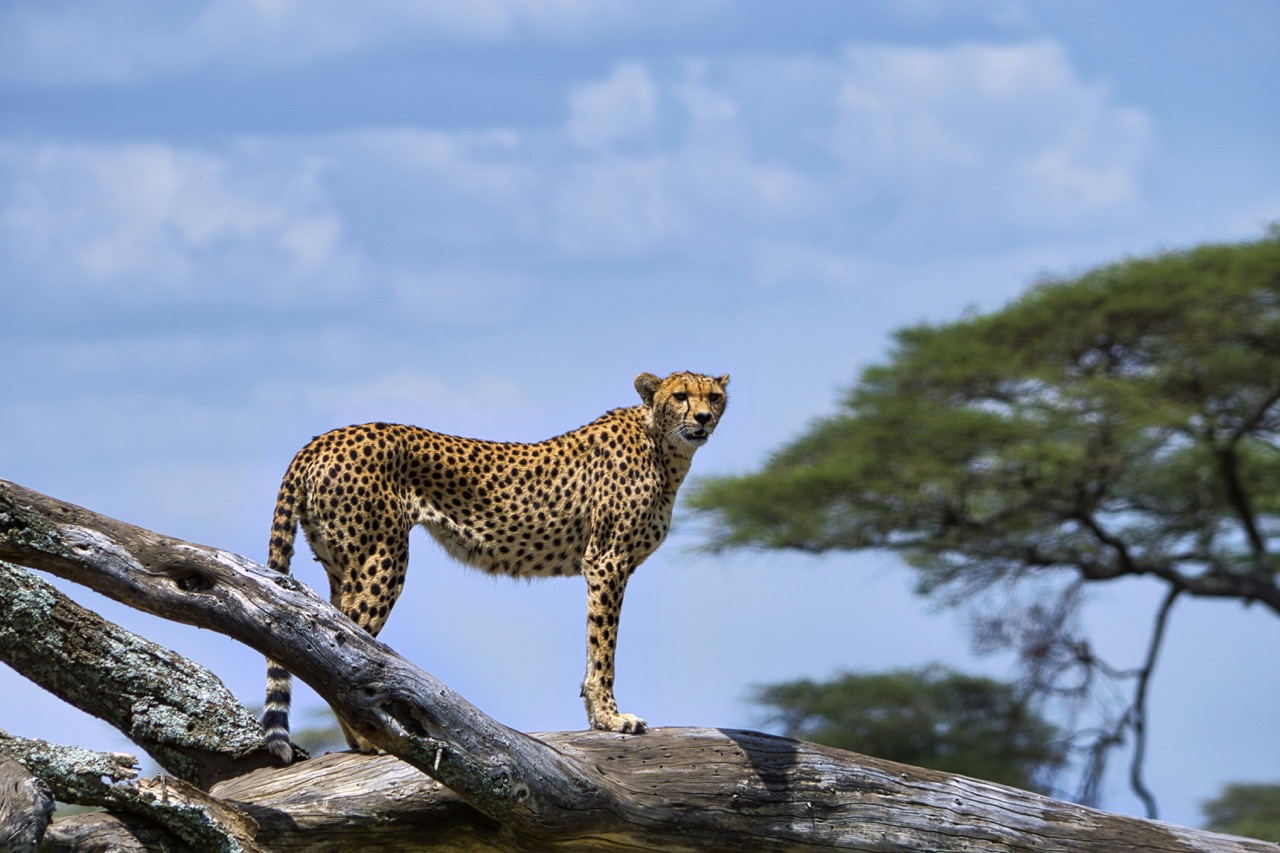
Cheetah
The cheetah is the world’s fastest land animal, a sleek feline native to Africa and Iran that is capable of reaching speeds up to 70 mph in short bursts.
Photo by Partha Narasimhan on Unsplash
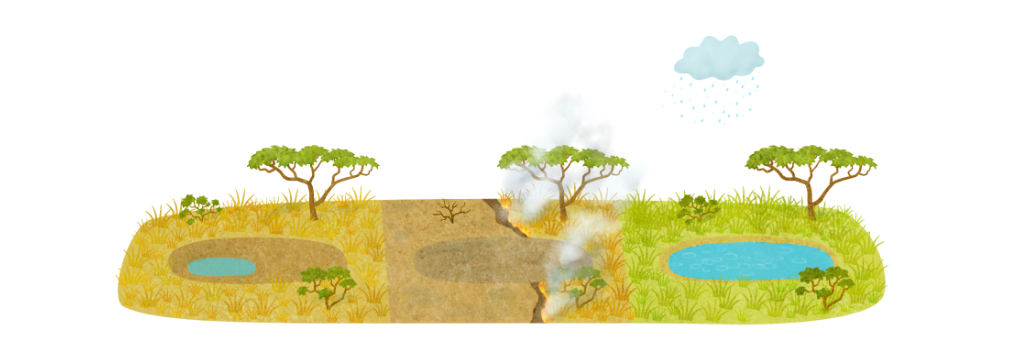
Dry season
Like in the desert, the savanna experiences longer dry periods known as the dry season. During the dry season, water sources dry up, leading to animal migrations and increased fire risk. Life is quickly restored with the onset of the rainy season.
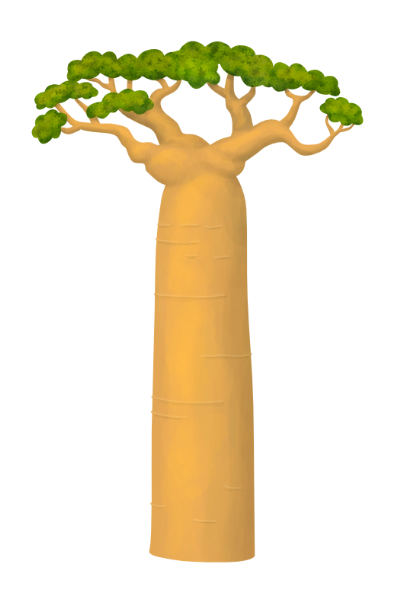
Baobab
Baobabs also know the trick of retaining water. During times of abundant rainfall, their fibrous wood absorbs water so that even the trunk’s diameter increases. The bark is resistant to fires, and during dry periods, the baobab sheds its leaves.
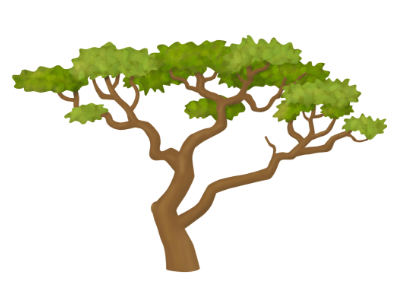
Acacia
Acacia trees are widespread in tropical and subtropical regions worldwide. In Africa, they are part of the so-called thorn savanna.
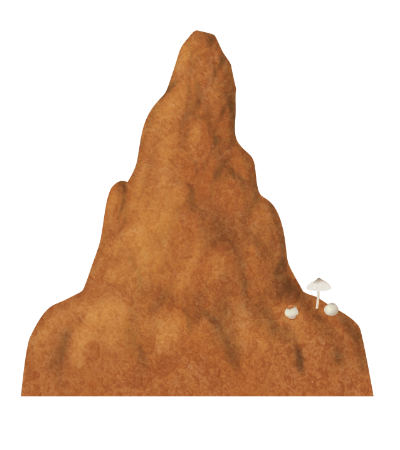
Termite mound
A termite mound is a complex, towering structure built by termites using soil, saliva, and feces, serving as a home and colony center for millions of termites.

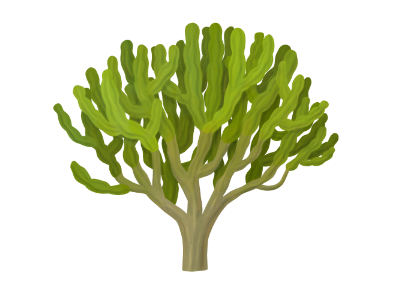
Candelabra tree
This impressive succulent, adapted to the dry climate of southern Africa, secretes a poisonous milky latex as a defense, causing skin irritation and blindness.