

Indian Ocean
The Indian Ocean, the third-largest ocean in the world, is bordered by Africa, Asia, Australia, and the Indian subcontinent, known for its warm waters, significant trade routes, diverse marine ecosystems, and key features like the Madagascar Basin and the Arabian Sea.
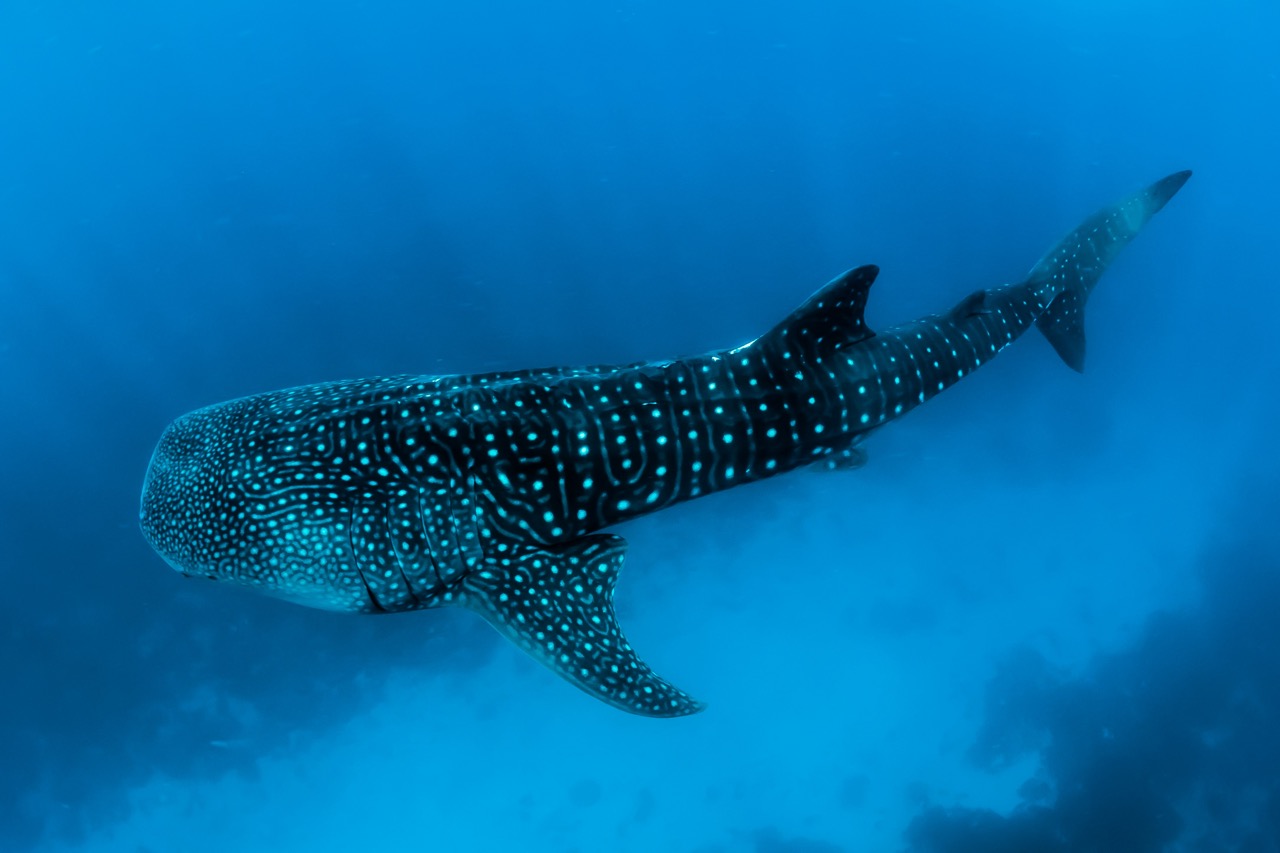
Whaleshark, Maldives
The whale shark is the largest known fish species in the world, capable of growing over 12 meters (40 feet) long. Despite its colossal size, it is a gentle, slow-moving filter feeder that swims with its massive mouth open to scoop up plankton and small fish.
Photo by Sebastian Pena Lambarri on Unsplash
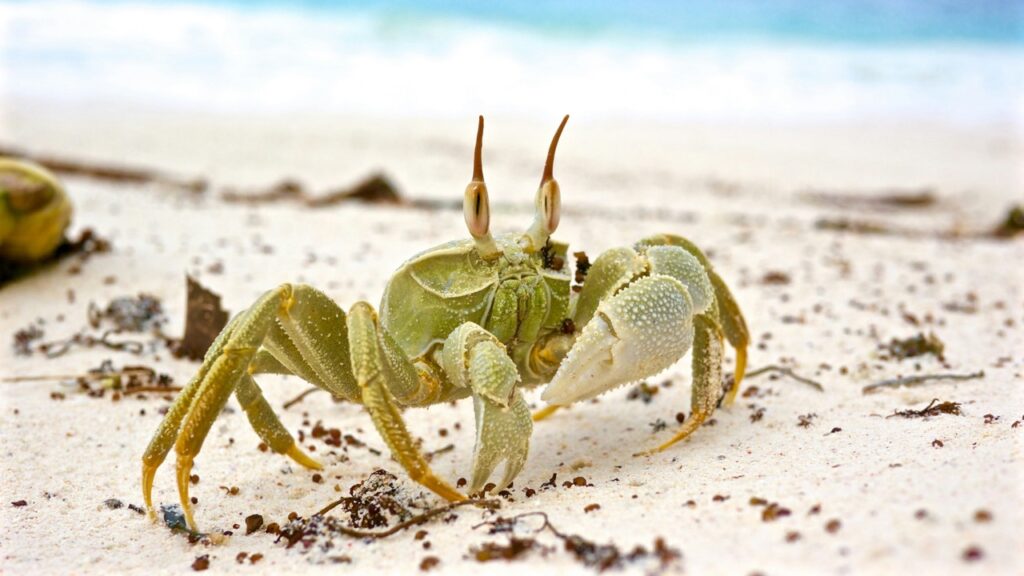
Horned ghost crab
The horned ghost crab (Ocypode ceratophthalmus) is a fast-moving, nocturnal crustacean found on sandy beaches across the Indo-Pacific region. It is best known for the long, pointed stalks (horns) extending from its eyes
Photo by Daniel Roth on Unsplash
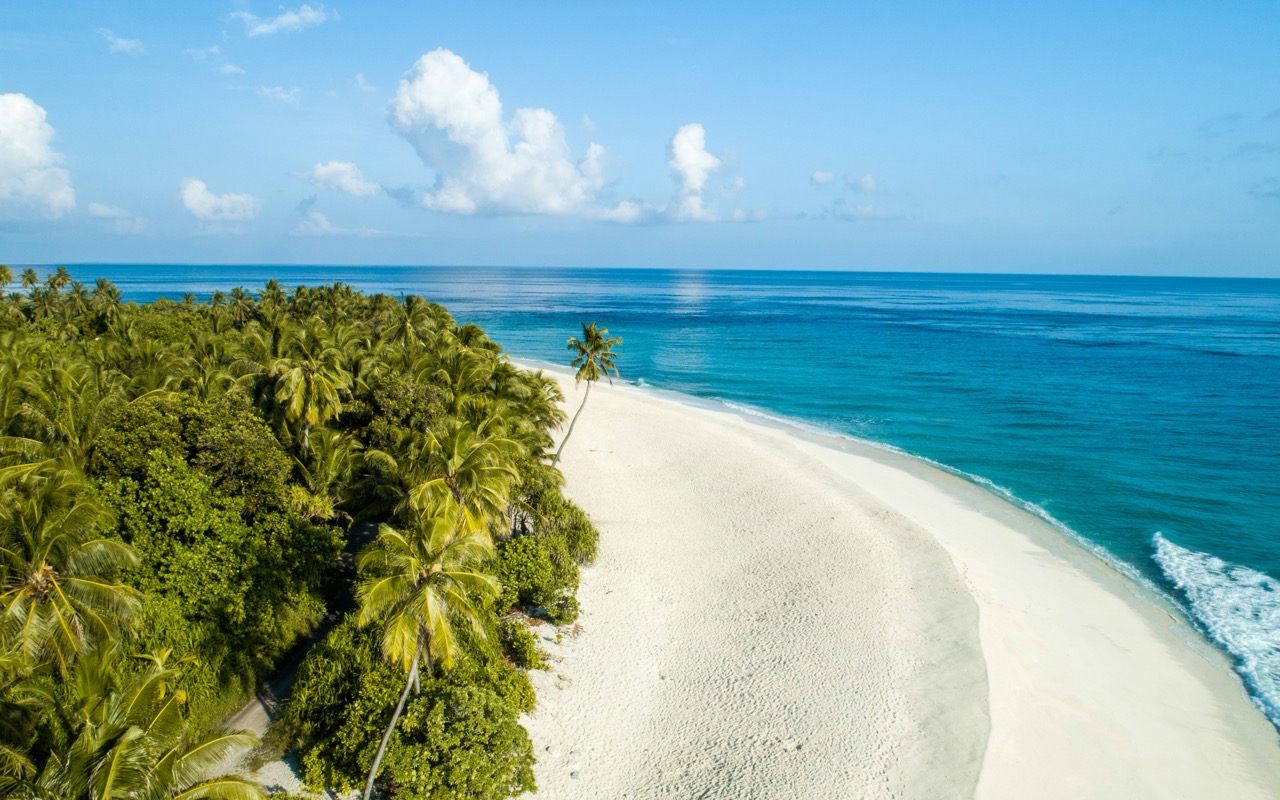
Maldives
The nature of the Maldives is defined by its spectacular marine biodiversity, centered around complex coral reef systems that host over 2,000 species of fish, including whale sharks, manta rays, and sea turtles. On land, the low-lying islands feature white sand beaches and salt-tolerant tropical vegetation such as coconut palms, screwpines, and mangroves.
Photo by Jailam Rashad on Unsplash
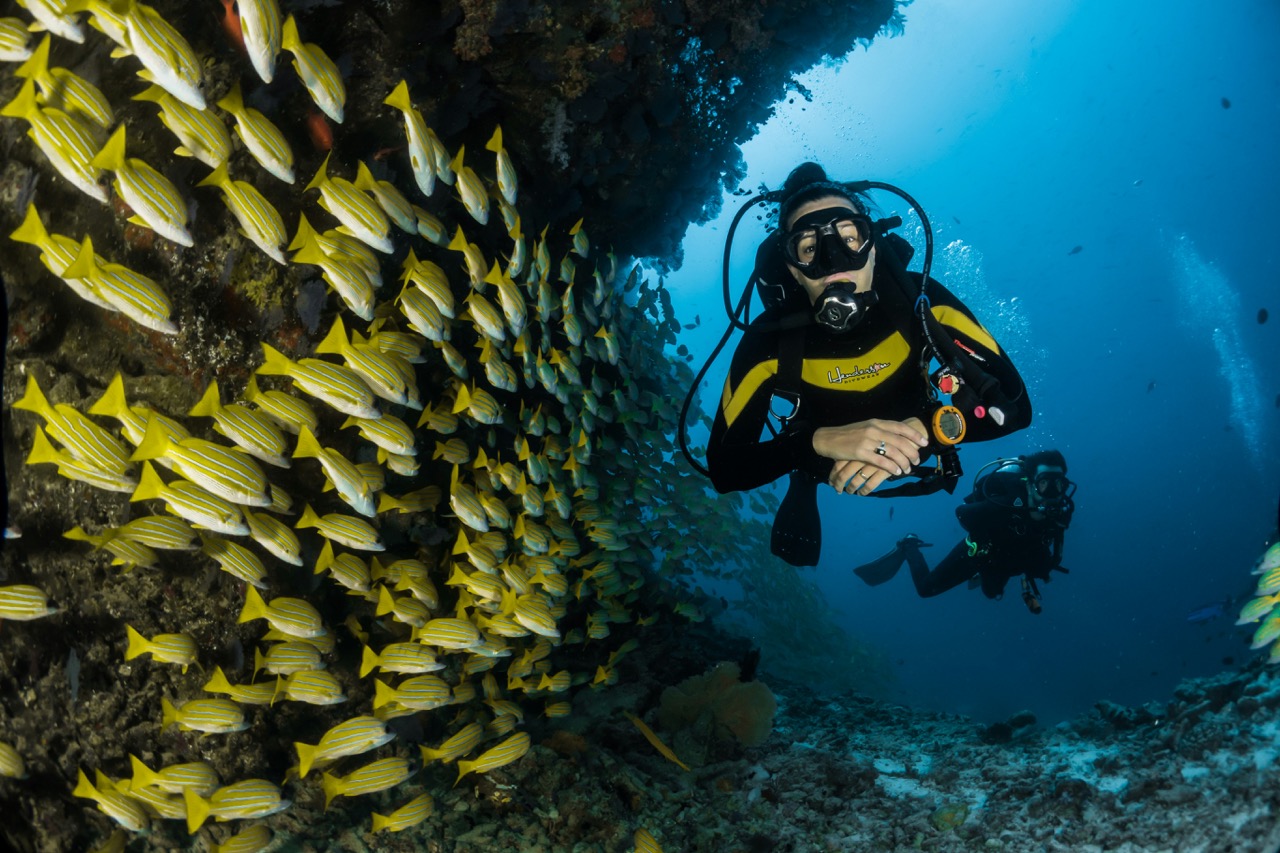
Blue-stripe snapper
The blue-stripe snapper (Lutjanus kasmira) is a vibrant reef fish common in the Maldives, easily recognized by its bright yellow body and four horizontal, electric-blue stripes. These social fish often form large, dense schools around coral formations and are active predators of small crustaceans and other fish. They are a signature sight for divers and play a vital role in the health of the Indo-Pacific coral reef ecosystems.
Photo by Sebastian Pena Lambarri on Unsplash