
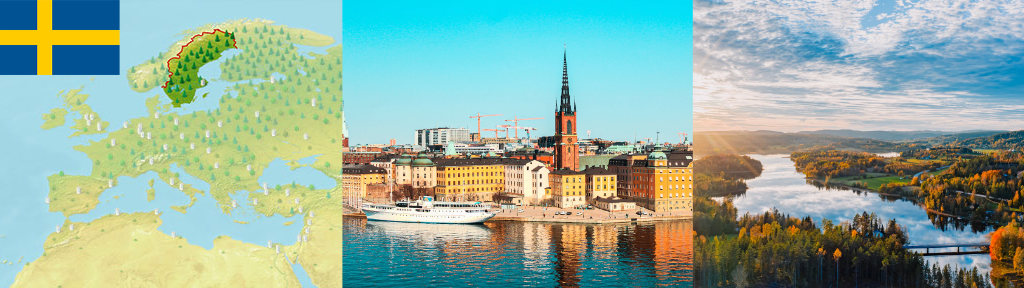
Sweden, a Scandinavian country in Northern Europe, is known for its stunning natural landscapes of forests and lakes, a high standard of living, and a strong commitment to social welfare and environmental sustainability.


Stockholm
Stockholm, the capital and largest city of Sweden, is situated on 14 interconnected islands where Lake Mälaren meets the Baltic Sea.
Photo by Arthur Hinton on Unsplash
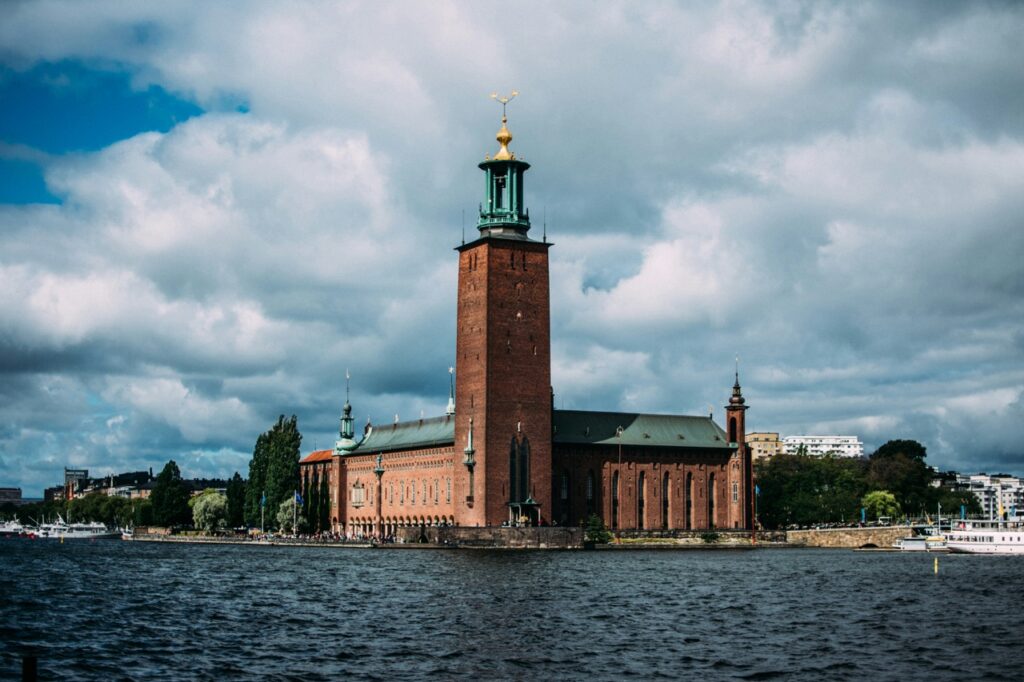
Stockholm City Hall
Instantly recognizable by its towering spire topped with the golden Three Crowns of Sweden, this architectural masterpiece sits gracefully on the edge of the island of Kungsholmen. Constructed from eight million dark red bricks, it is world-famous as the grand venue for the annual Nobel Prize banquet held in its magnificent Blue Hall. The building is a prime example of National Romantic architecture and offers sweeping, panoramic views of the entire city from its tower.
Photo by Omar Sotillo Franco on Unsplash

Vasa Museum
Located on the island of Djurgården, this museum houses the world’s only fully intact 17th-century ship. The Vasa warship famously sank on its maiden voyage in 1628 and was remarkably salvaged from the Baltic Sea over 300 years later. Today, it stands as Sweden’s most visited museum, offering an unparalleled glimpse into the maritime history of the Swedish Empire.
Photo by Casper Hildebrand on Unsplash
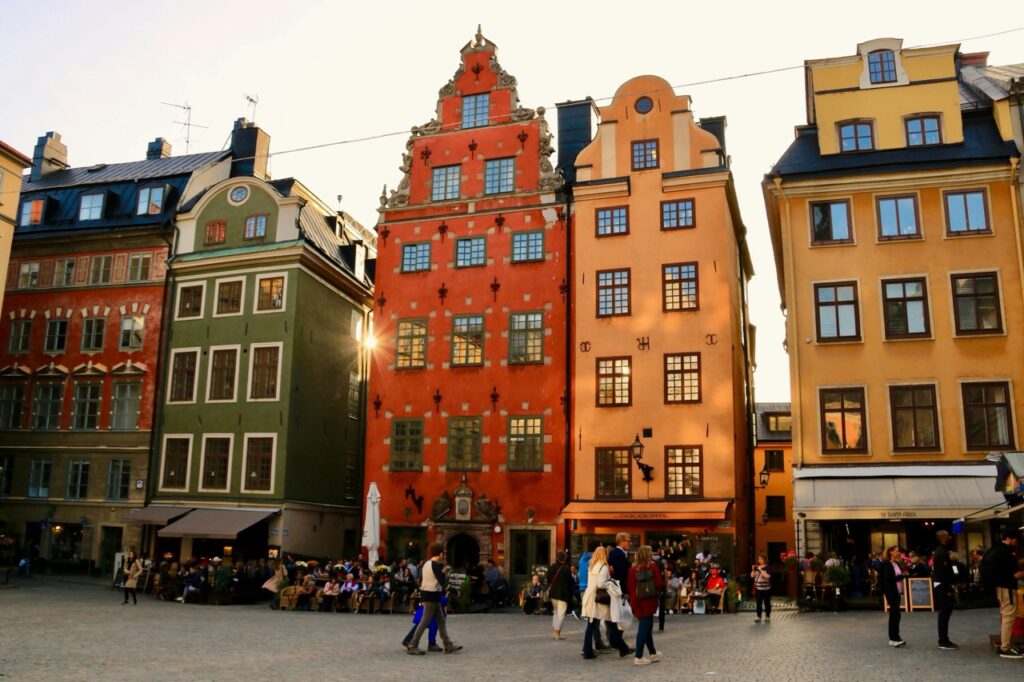
Gamla Stan
Stockholm’s beautifully preserved historic center dates back to the 13th century and is characterized by narrow, winding cobblestone streets and vibrant, ochre-colored buildings. It is home to iconic landmarks such as the majestic Royal Palace and the Nobel Prize Museum, nestled around the picturesque Stortorget public square. Walking through this medieval old town feels like stepping back in time to the very origins of the Swedish capital.
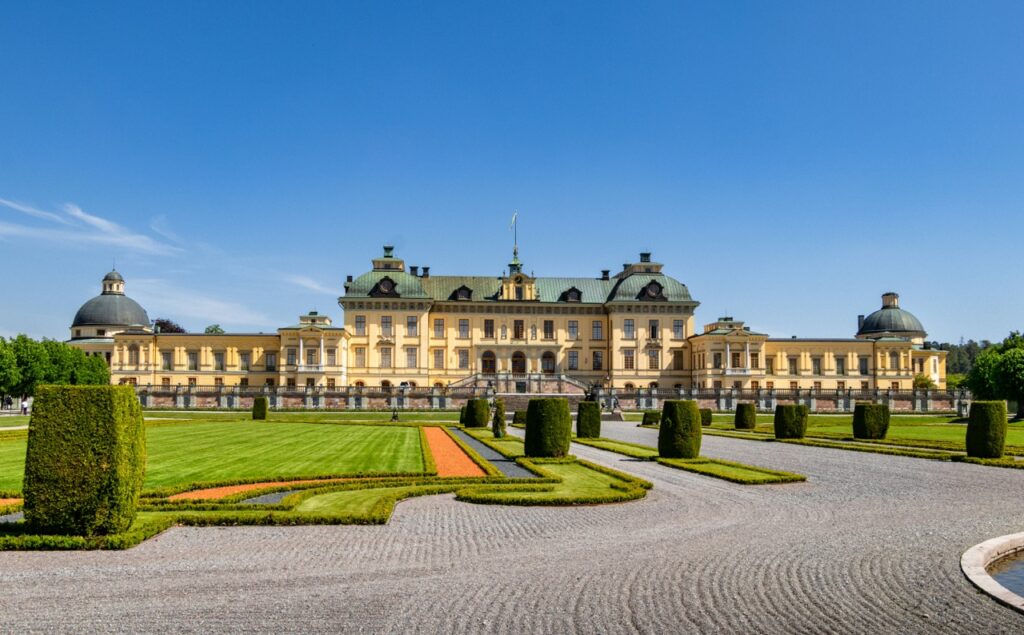
Drottningholm Palace
This stunning 17th-century royal palace serves as the permanent private residence of the Swedish royal family. Heavily inspired by the Palace of Versailles, it boasts magnificent baroque gardens, a historic theater, and an intricately designed Chinese Pavilion. Designated as a UNESCO World Heritage site, it is a perfectly preserved example of a European royal residence from the 1700s.
Photo by Timo C. Dinger on Unsplash
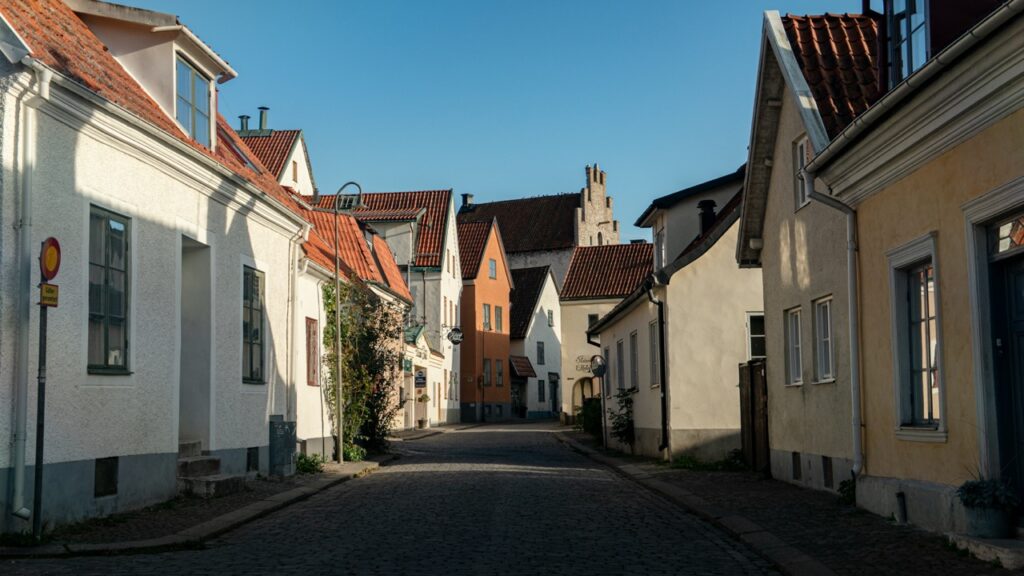
Visby
Located on the Baltic island of Gotland, Visby is widely considered the best-preserved medieval city in Scandinavia. The city is famous for its nearly intact, 13th-century defensive limestone wall, which completely encircles its charming cobblestone streets and ancient church ruins. As a UNESCO World Heritage site, it transforms every August during Medieval Week, drawing visitors into a vibrant celebration of its rich Hanseatic history.
Photo by Oleh Holodyshyn on Unsplash
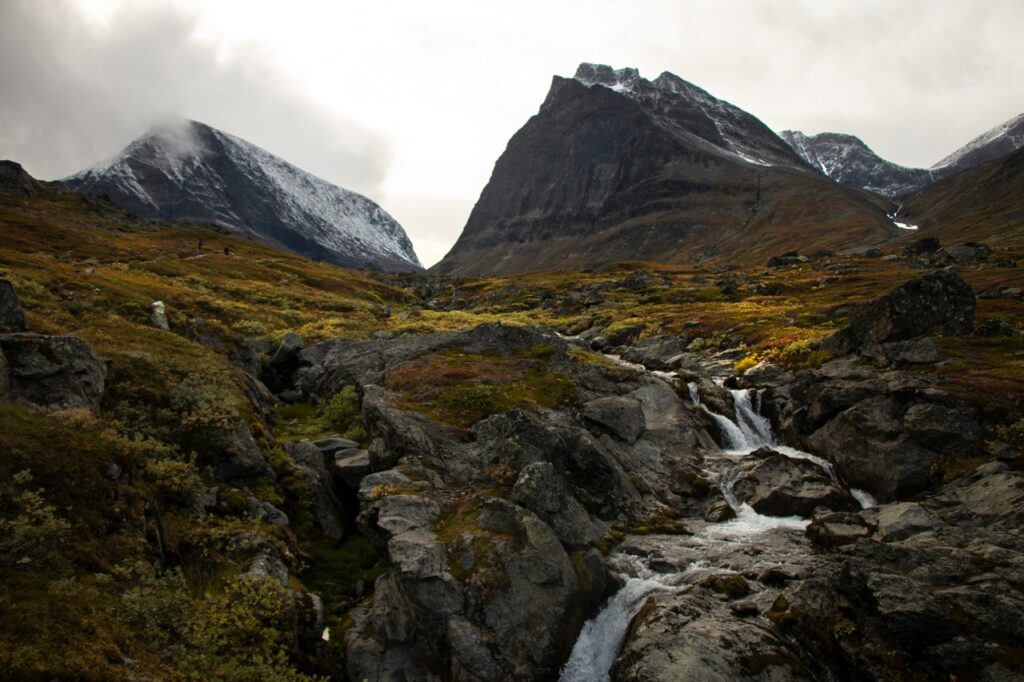
Abisko National Park
Nestled high up in the Arctic Circle, this pristine national park is renowned for its sweeping alpine meadows, deep fjords, and the iconic U-shaped Lapporten valley. Thanks to its incredibly clear skies and unique microclimate, it is widely considered one of the best places on Earth to witness the spectacular Northern Lights. It also serves as the starting point for the Kungsleden (King’s Trail), Sweden’s most famous and breathtaking hiking route.
Photo by Elle Leontiev on Unsplash
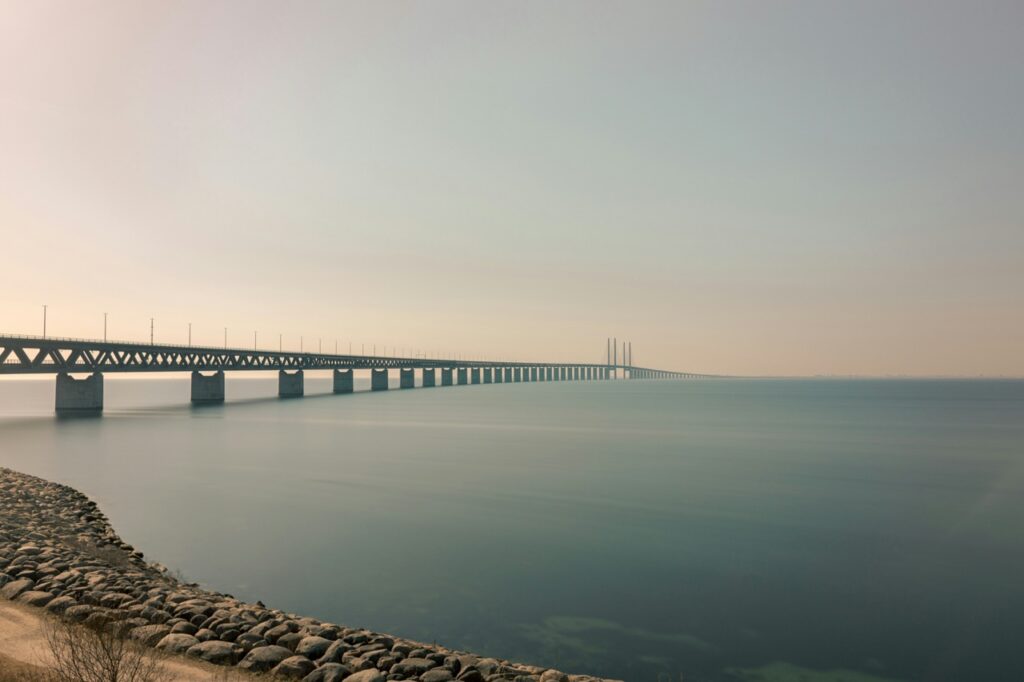
Öresund Bridge
This incredible engineering marvel is a 16-kilometer-long combined railway and motorway bridge that seamlessly connects Malmö, Sweden, to Copenhagen, Denmark. Famously featured in the Nordic noir television series The Bridge, the structure transitions mid-ocean from a striking cable-stayed bridge into an artificial island and underwater tunnel. It serves as a vital economic and cultural link across the Öresund strait, uniting the broader Nordic region.
Photo by Karl Hörnfeldt on Unsplash
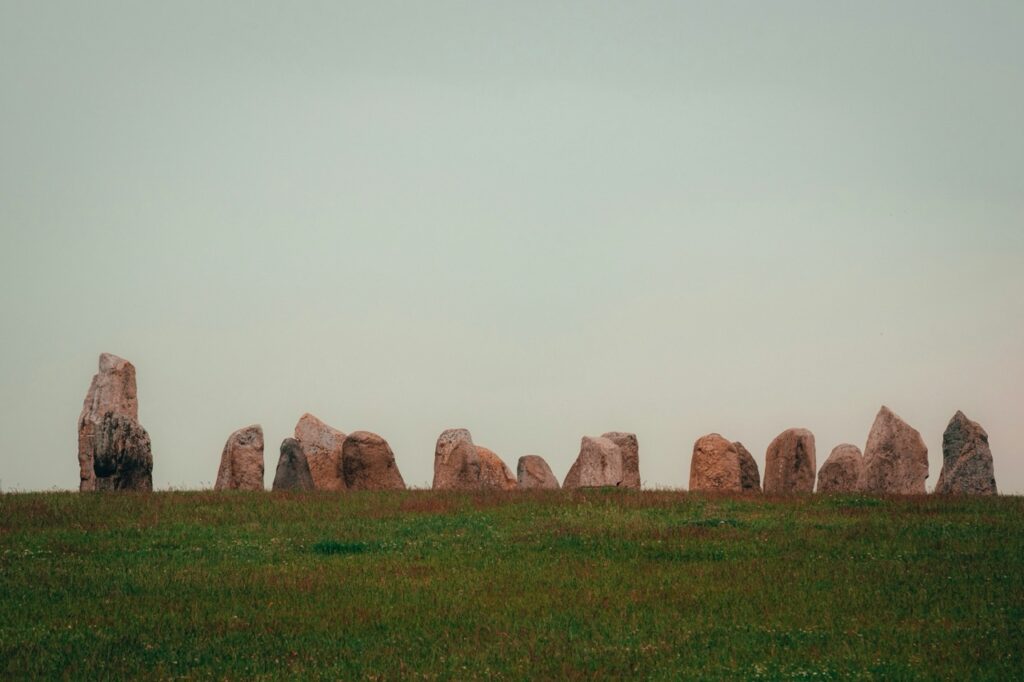
Ales Stenar
Often referred to as the “Stonehenge of Sweden,” this striking megalithic monument sits atop a dramatic coastal cliff in southern Sweden. It consists of 59 massive boulders meticulously arranged in the outline of a 67-meter-long ship, dating back to the Nordic Iron Age around 600 AD. The site continues to fascinate archaeologists and tourists alike, serving as a powerful tribute to the seafaring ancestors of the region.
Photo by Philipp Deus on Unsplash
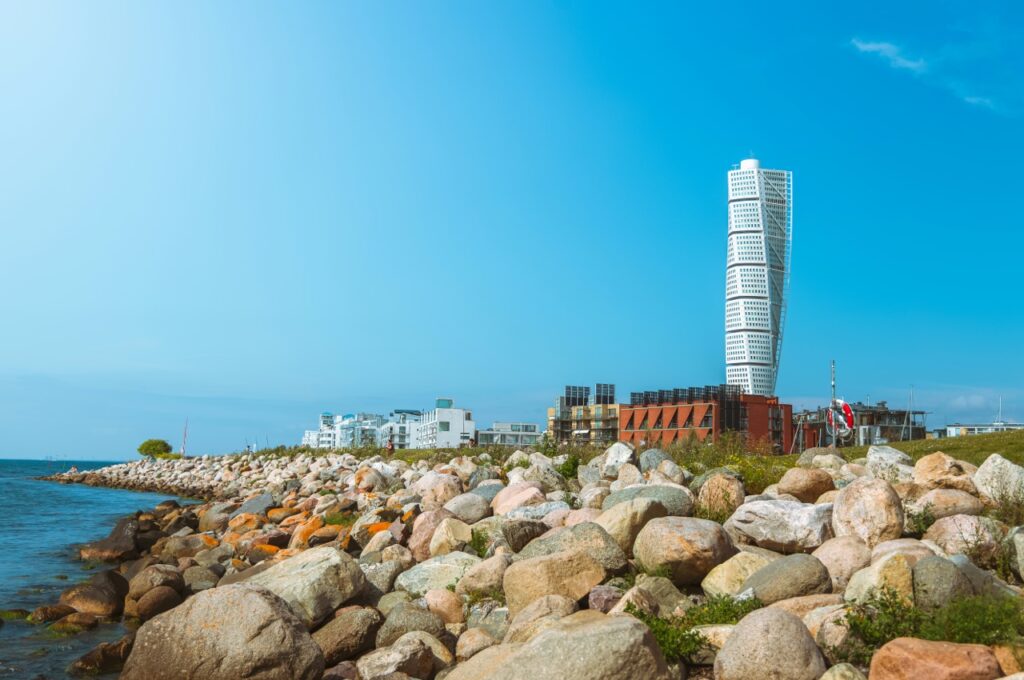
Turning Torso
Designed by the renowned Spanish architect Santiago Calatrava, this neo-futurist residential skyscraper is a prominent symbol of Malmö’s modern skyline. It holds the title of the tallest building in Scandinavia and was the world’s first twisting tower, rotating a full 90 degrees from its base to its top. The brilliant white marble-clad structure is a masterpiece of contemporary engineering and a bold statement of sustainable urban development.
Photo by Nik Nikolla on Unsplash