

Portugal, located on the Iberian Peninsula, is renowned for its rich maritime history, stunning coastline, and vibrant culture reflected in its traditional Fado music and delicious cuisine.

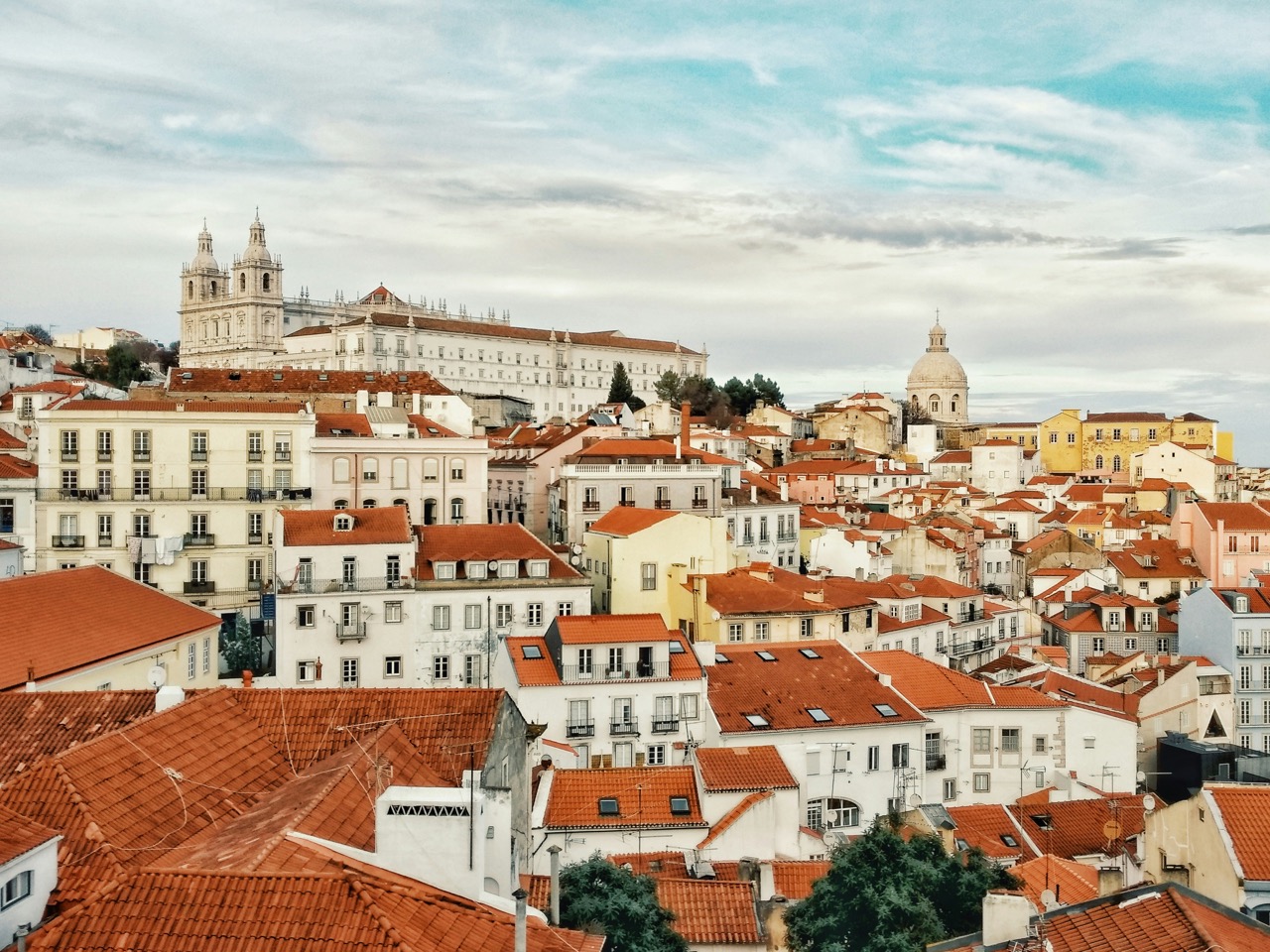
Lisbon
Lisbon, the vibrant capital of Portugal, is famously built on seven hills and recognized by its steep, cobbled streets navigated by iconic yellow trams. Situated along the Tagus River, the city boasts a rich maritime heritage tied to the Age of Discovery, featuring magnificent historical landmarks like the Belém Tower. Today, it captivates visitors with its sun-drenched pastel buildings, soulful Fado music, and stunning panoramic views from its numerous hilltop terraces.
Photo by Liam McKay on Unsplash
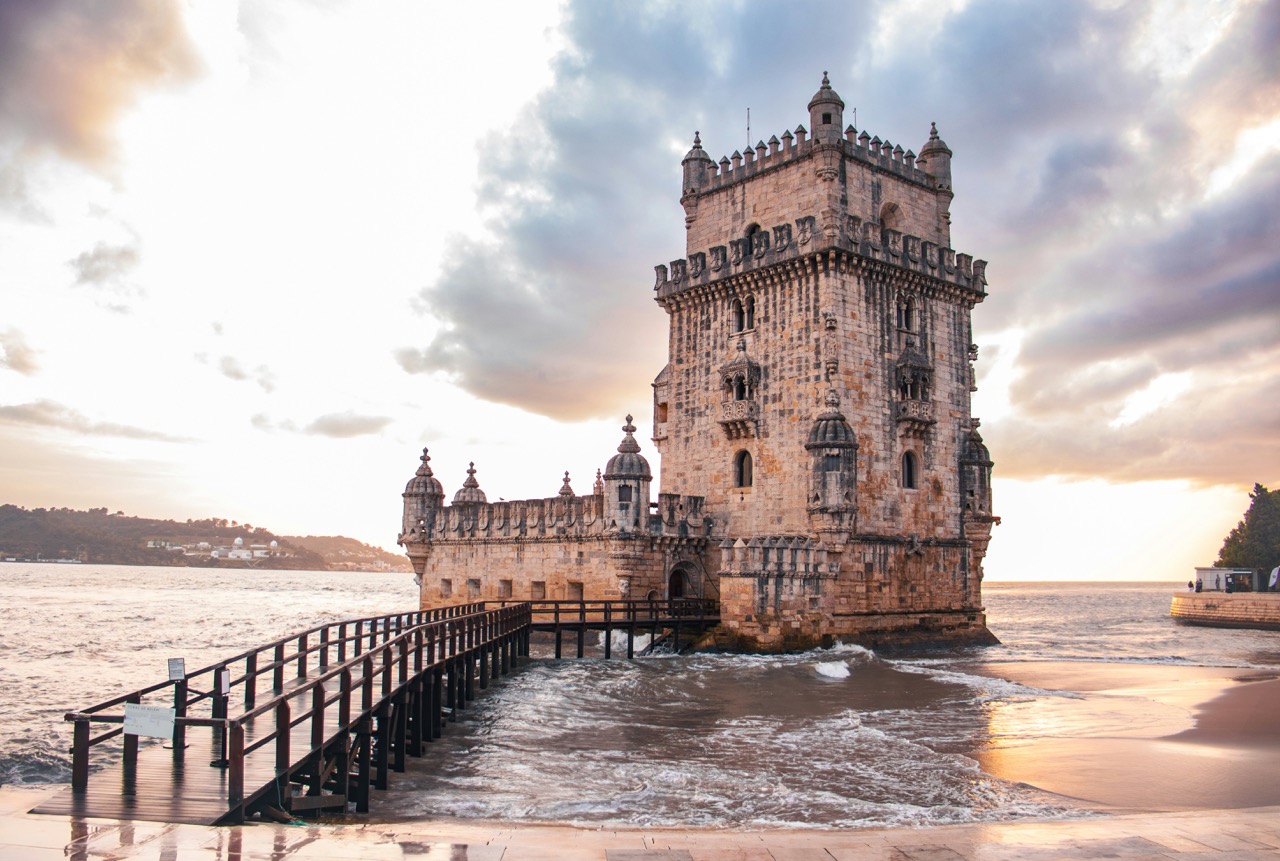
Belém Tower
Built in the early 16th century, this fortified tower originally served as a point of embarkation and disembarkation for Portuguese explorers. It is a stunning example of Manueline architecture, featuring intricate maritime motifs, armillary spheres, and limestone carvings. Today, this UNESCO World Heritage site stands as an enduring symbol of Portugal’s glorious Age of Discovery.
Photo by GÜRKAN ŞEN on Unsplash
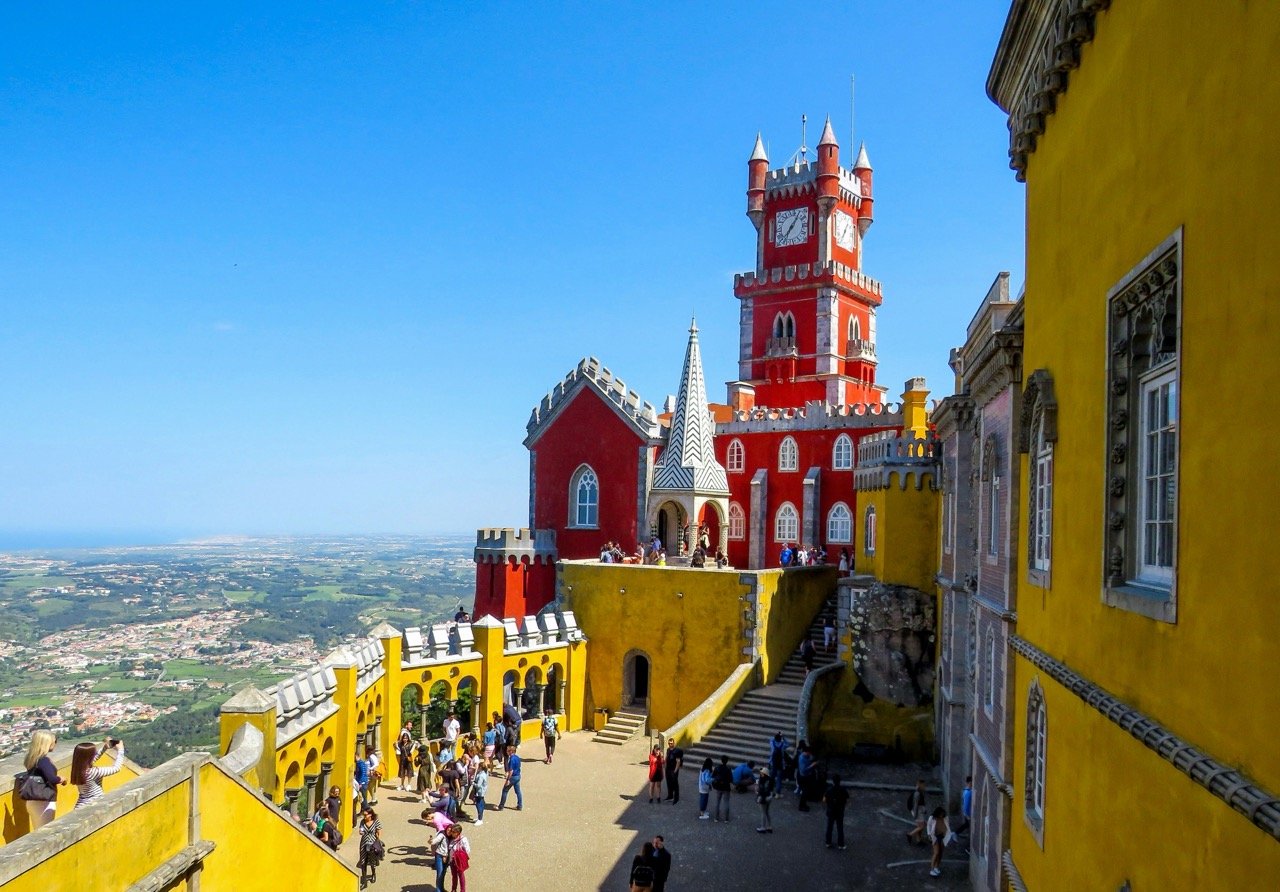
Pena Palace
Perched high on a hilltop in the Sintra Mountains, this vibrant 19th-century palace is a spectacular showcase of Romanticist architecture. Its brightly painted red and yellow terraces seamlessly blend Gothic, Moorish, and Renaissance styles to create a vivid fairy-tale aesthetic. Surrounded by lush, exotic forested gardens, the palace offers breathtaking panoramic views that stretch all the way to the Atlantic Ocean.
Photo by Mark Lawson on Unsplash
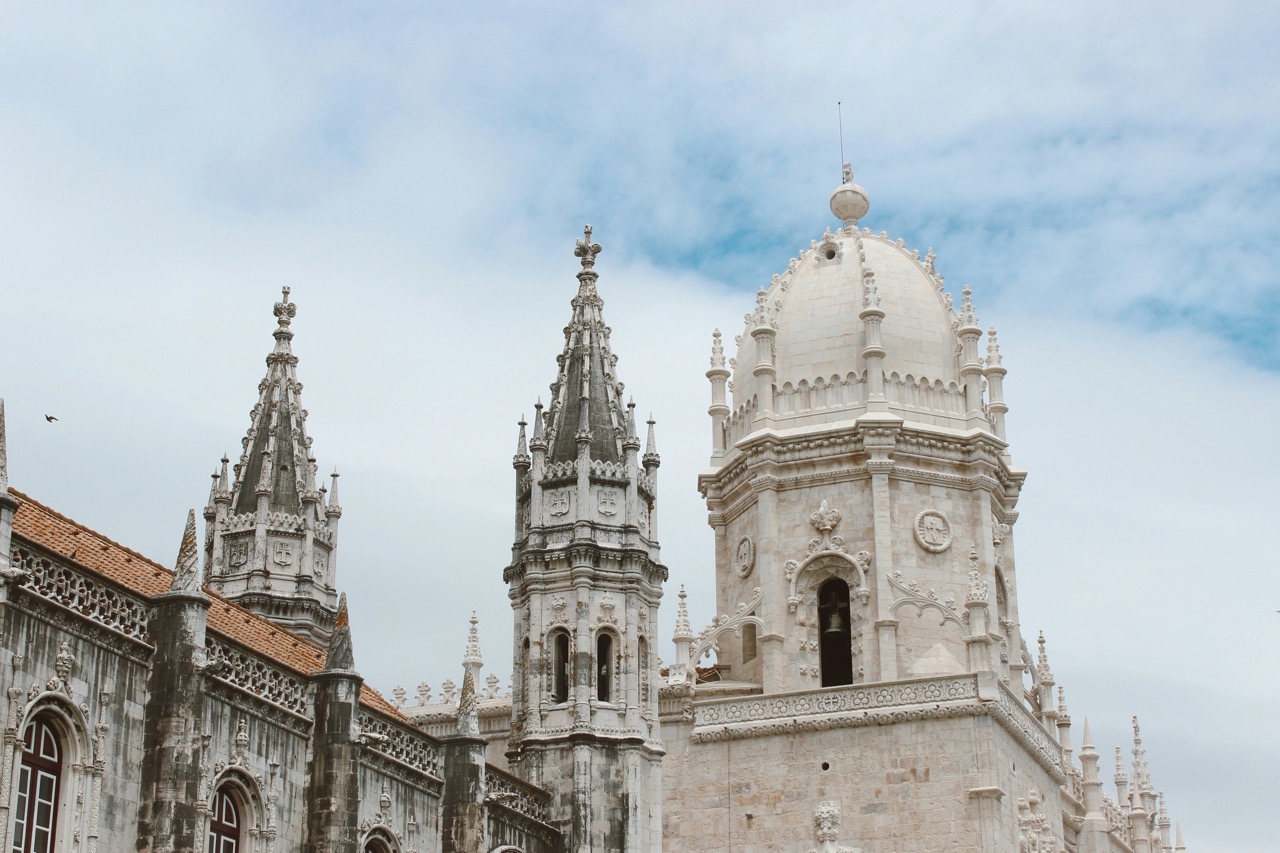
Jerónimos Monastery
This magnificent 16th-century monastery was funded by the immense wealth generated during the Portuguese spice trade. It is widely considered the ultimate masterpiece of the unique Portuguese Manueline architectural style, characterized by elaborate sculptural details celebrating maritime exploration. As the final resting place of legendary explorer Vasco da Gama, it holds deep historical and cultural significance for the nation.
Photo by Sevval Elmaas on Unsplash
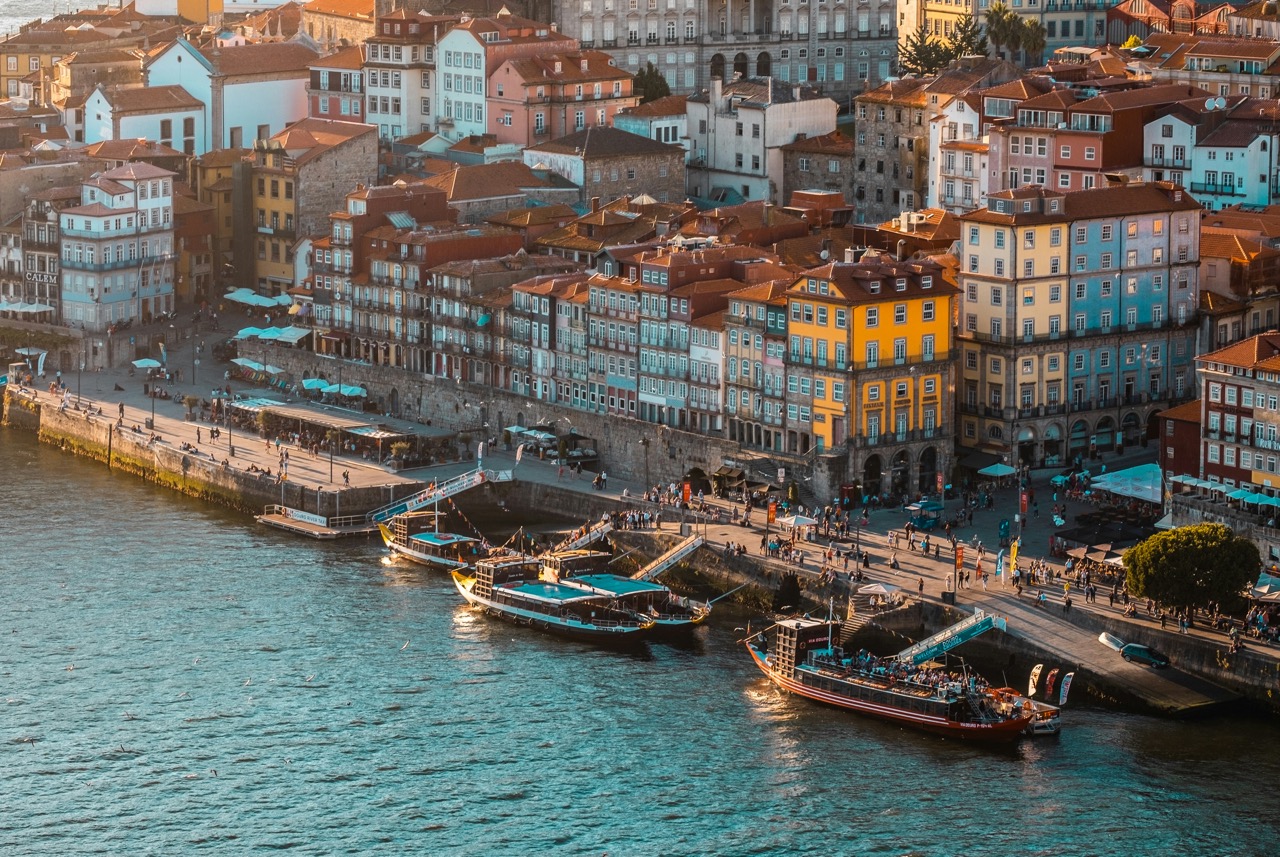
Ribeira District
Located along the banks of the Douro River, this lively, historic neighborhood is the colorful and romantic heart of Porto. Its narrow, cobbled streets are lined with pastel-colored merchant houses, bustling cafes, and traditional rabelo boats bobbing in the water. As a designated UNESCO World Heritage site, it provides stunning views of the iconic Dom Luís I Bridge and the famous port wine cellars across the river.
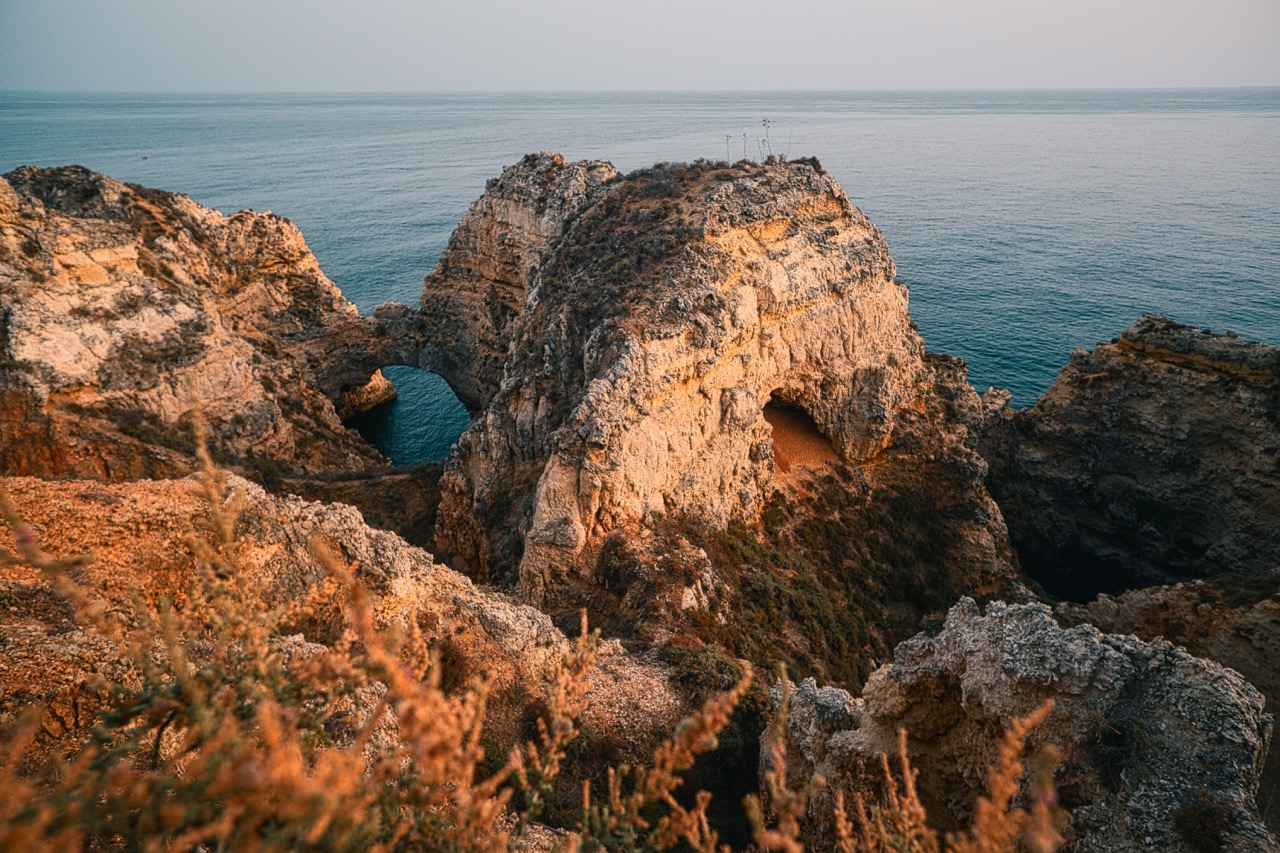
Ponta da Piedade
Located near the coastal town of Lagos, this dramatically beautiful stretch of coastline features soaring limestone cliffs, hidden grottos, and natural sea arches. Thousands of years of Atlantic waves have sculpted these golden rocks into mesmerizing formations that beautifully contrast with the crystal-clear turquoise waters. Visitors can explore this natural wonderland via small boat tours or by hiking along the scenic cliff-top boardwalks.
Photo by Kevin Krüger on Unsplash
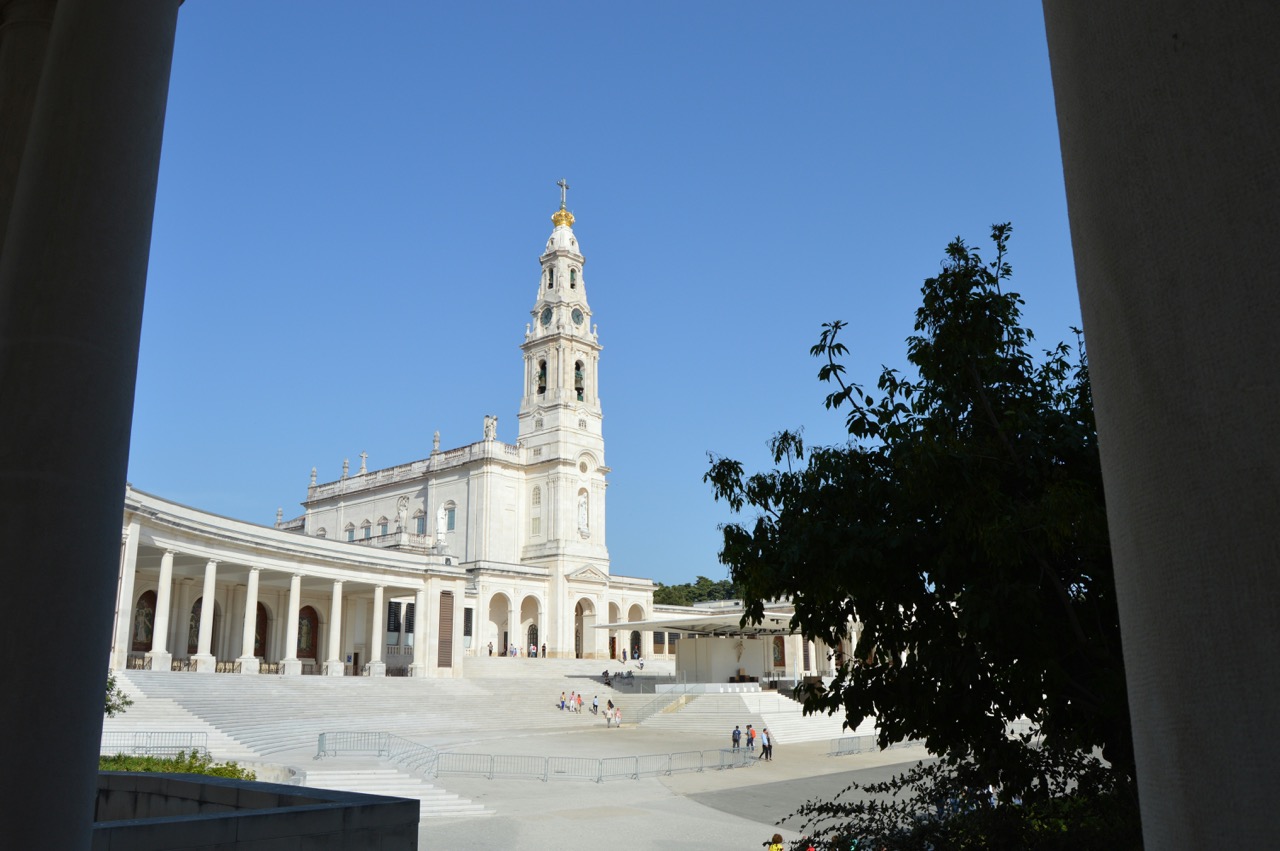
Sanctuary of Fátima
This massive Marian shrine complex is one of the most important and frequently visited Catholic pilgrimage sites globally. It was built to commemorate the 1917 apparitions of the Virgin Mary reported by three local shepherd children at the Cova da Iria. Every year, millions of devoted pilgrims gather in its vast central plaza, particularly during the awe-inspiring candlelit processions on the anniversaries of the visions.
Photo by Richard Multimedia on Unsplash
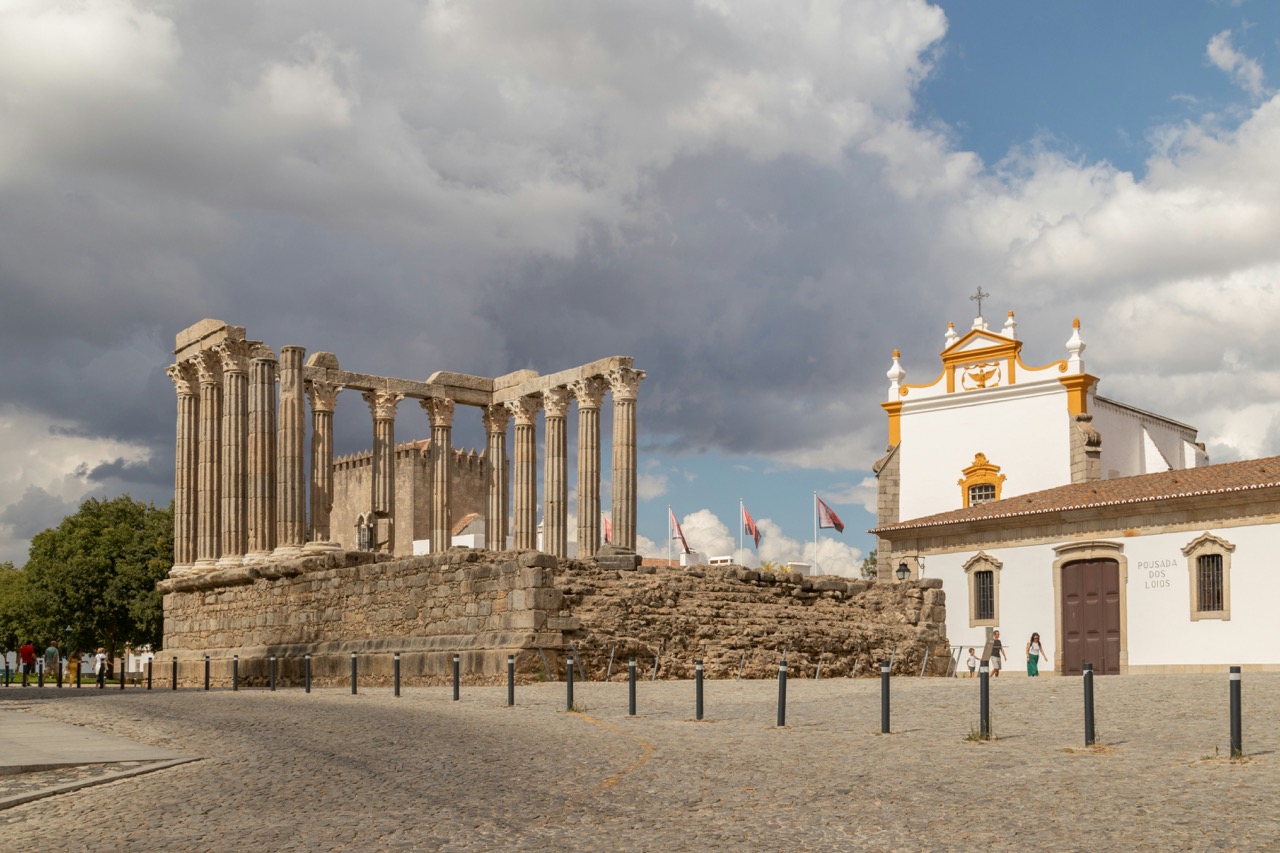
Roman Temple of Évora
Often incorrectly referred to as the Temple of Diana, this ancient ruin dates back to the 1st century AD and is one of the best-preserved Roman monuments in the Iberian Peninsula. Its striking Corinthian columns, made of local granite and Estremoz marble, stand proudly in the historical center of the city. The temple serves as a powerful reminder of the deep Roman influence in the region before Évora evolved through Moorish and medieval Portuguese rule.
Photo by Filipe Nobre on Unsplash
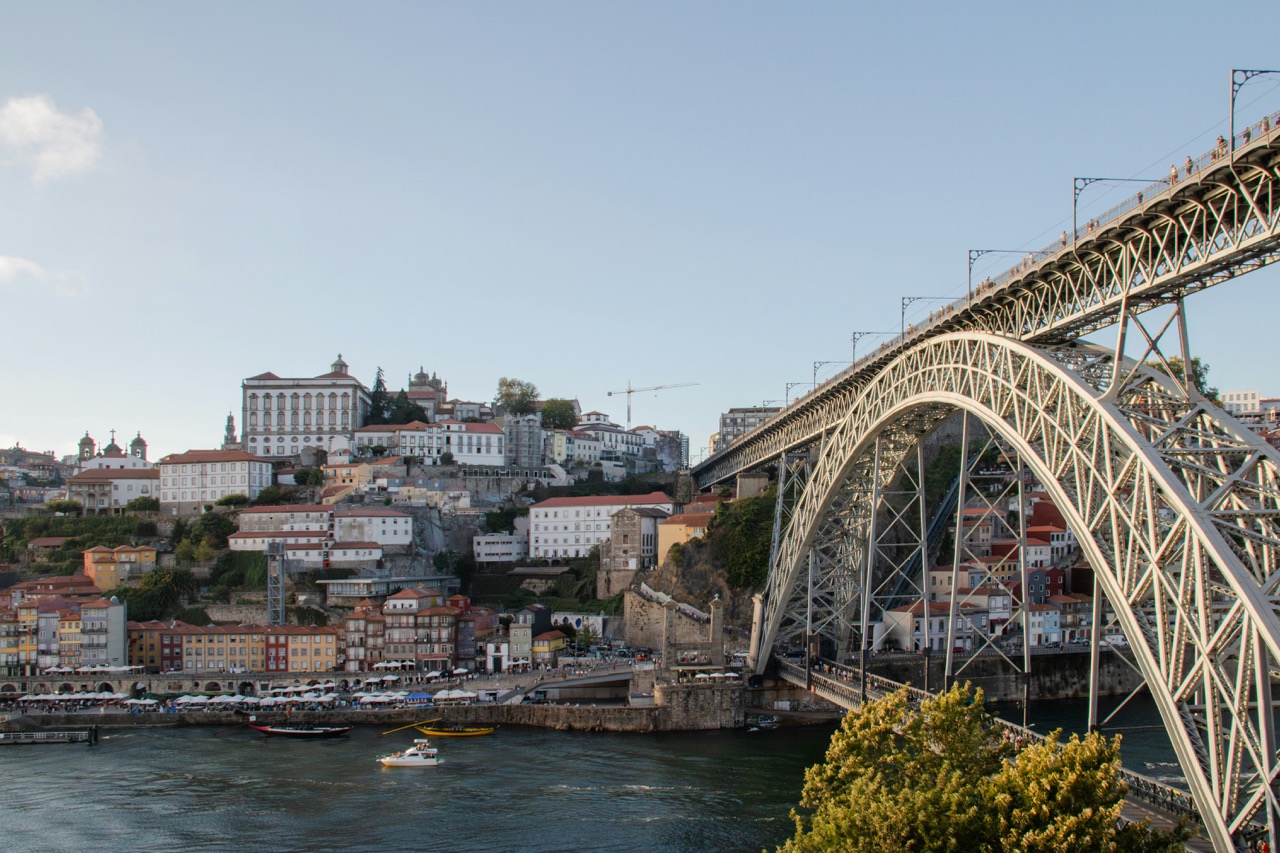
Dom Luís I Bridge
Spanning the Douro River, this iconic double-deck metal arch bridge perfectly connects the historic center of Porto with the port wine cellars of Vila Nova de Gaia. Designed by a student of Gustave Eiffel and completed in 1886, it was the longest iron arch in the world at the time of its construction. Today, pedestrians can walk across the breathtaking upper deck to enjoy some of the most spectacular panoramic views of the city.
Photo by Filipe Nobre on Unsplash